Understanding the Stainless Steel Mesh Tube: Why It Matters Today
If you’ve ever stopped to think about what holds industrial filters, protective sieves, or structural reinforcements together, chances are a stainless steel mesh tube played a quiet yet vital role. These engineered components, often overlooked, have quietly become cornerstones in industries worldwide — from water treatment plants to aerospace manufacturing.
Globally, stainless steel mesh tubes represent a fine blend of durability and flexibility that the modern industrial world depends upon. They help solve everyday challenges: filtration of contaminants, reinforcement against corrosion, and ensuring safety in hazardous settings. Frankly, understanding these tubes offers insights into how industries marry material science with functional design to achieve sustainability and efficiency.
The Global Pulse: Why Stainless Steel Mesh Tubes Are on the Rise
Industrial growth and environmental regulations are transforming the demand landscape for components like stainless steel mesh tubes. According to the ISO Environmental Management standards, manufacturers worldwide must improve resource efficiency and reduce waste. This push also drives adoption of corrosion-resistant, recyclable materials — stainless steel fits the bill perfectly.
It’s not just about the environment, though. In utilities and engineering sectors, where filtration and screening are critical, roughly 35% of operations have switched to stainless steel mesh solutions in the past decade (source: United Nations Environment Programme). The stainless steel mesh tube answers a lot of those operational headaches — longevity, easy maintenance, and reliable performance that stands the test of time and nature.
However, the challenge remains: balancing cost and durability while meeting increasingly strict industrial specs. The shift to these tubes isn’t just functional; it’s also economic and ecological.
Defining the Stainless Steel Mesh Tube: The Basics
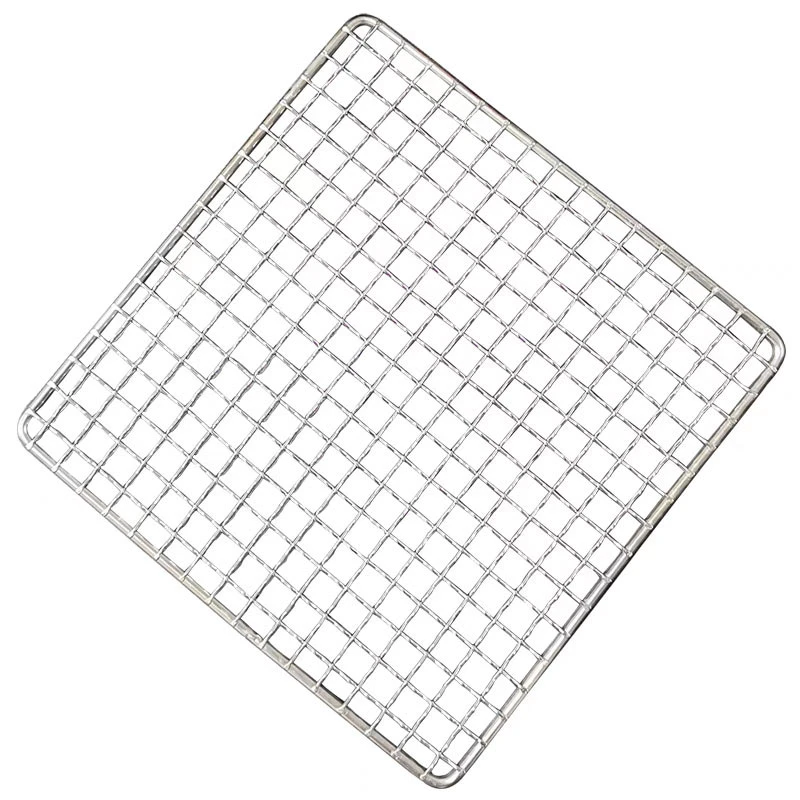
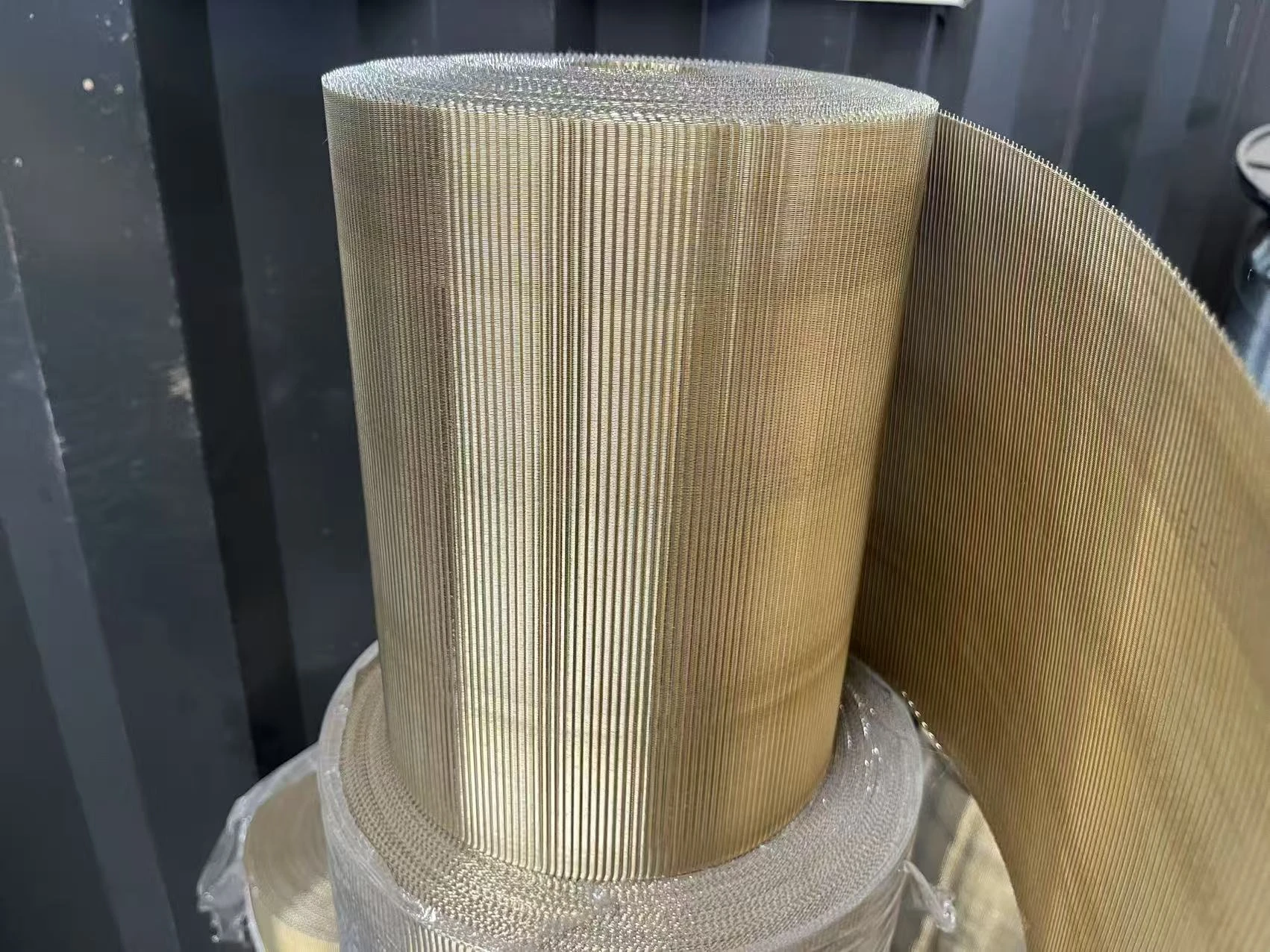
Let’s break it down simply: a stainless steel mesh tube is a tubular structure made by weaving, welding, or perforating stainless steel wires or strips to form a mesh. This mesh acts as a protective or filtering barrier depending on its application, with the tubular shape lending strength and easy installation.
These tubes are unique because they combine the corrosion resistance of stainless steel with the permeability of mesh. It’s an elegant solution for industries needing materials that last long without succumbing to elements like rust, chemicals, or extreme temperatures.
Whether you’re thinking of large water filtration plants or tiny sensors protected in medical devices, the stainless steel mesh tube finds a home in the heart of technology and humanitarian projects alike.
Core Features That Make Stainless Steel Mesh Tubes Indispensable
1. Durability and Corrosion Resistance
Stainless steel is famously resilient. In the mesh tube format, it resists oxidation, acids, and harsh weather — meaning fewer replacements and less downtime. Many engineers say this property alone justifies the slightly higher upfront cost.
2. Versatility of Design
From woven wire mesh to perforated sheets, these tubes can be custom-engineered to desired sizes, mesh apertures, thicknesses, and mechanical properties. This means applications ranging from fine particulate filtration to structural reinforcement can rely on bespoke solutions.
3. Cost Efficiency Over Lifecycle
Though stainless steel mesh tubes may not be the cheapest initially, they significantly reduce maintenance and replacement expenses. This lifecycle value becomes crucial in remote industrial zones or disaster-prone areas, where service visits are costly.
4. Eco-Friendly and Sustainable
Stainless steel is 100% recyclable without losing quality. Many vendors are now sourcing recycled materials and maintaining ISO standards for environmental impact, helping industries meet stricter sustainability policies.
5. Ease of Installation and Scalability
The tubular shapes simplify installation in pipelines and filter housings, often integrating with modular systems. This makes expansions or replacements smoother and less disruptive.
Mini Takeaway:
In real terms, stainless steel mesh tubes offer a unique trifecta—durability, flexibility, and economics—which explain their growing attraction across various sectors.
Product Specification Overview
| Specification |
Description |
| Material Grade |
304/316 Stainless Steel (Popular) |
| Mesh Aperture |
0.1 mm to 10 mm (customizable) |
| Tube Diameter |
10 mm to 500 mm |
| Wall Thickness |
0.5 mm to 5 mm |
| Surface Finish |
Electropolished, brushed, or matte |
| Temperature Range |
-196°C to 870°C (varies by grade) |
How Different Vendors Stack Up: A Quick Comparison
| Vendor |
Product Range |
Lead Time |
Customization |
Certifications |
| Jinzehong Wire Mesh |
Extensive (woven & welded mesh tubes) |
2–4 weeks |
Full custom specs |
ISO 9001, SGS |
| Global Mesh Solutions |
Focused on filtration tubes |
3–5 weeks |
Limited custom options |
ISO 14001 |
| Prime Stainless Works |
Standardized mesh tubes |
1–3 weeks |
No customization |
CE Certified |
Global Applications and Real-World Use Cases
Stainless steel mesh tubes pop up in places you wouldn’t expect but once you spot them, you can’t miss their enormous significance. Water treatment plants in Europe rely on these tubes to filter out microplastics and keep drinking water safe. In Asia’s massive electronics manufacturing hubs, they safeguard sensitive components from dust and tiny particulates.
In post-disaster relief operations in Africa, some NGOs use portable filtration units where stainless steel mesh tubes serve as robust, reusable filters to provide clean water safely and quickly. Similarly, oil and gas industries in the Middle East depend on mesh tubes to protect pipeline integrity under extreme conditions.
Oddly enough, even urban green architecture uses stainless steel mesh tubes — think vertical gardens that need to keep soil in place but allow water flow. This kind of versatility is why more industries are inviting these tubes to their setups.
Advantages and Long-Term Value of Stainless Steel Mesh Tubes
- Cost-effective: Minimal maintenance and long service life reduce overall expenses.
- Sustainable: Fully recyclable and environmentally friendly manufacture.
- Reliable: Consistent performance under extreme temperatures and corrosive environments.
- Safe: Enhances safety standards by filtering or guarding machinery and products.
- Social Impact: Improves water and air quality, contributing to healthier communities.
The emotional side of all this... well, it’s about trust. When industries and humanitarian projects count on stainless steel mesh tubes, they’re betting on durability, letting people rest easy on safety and performance. It feels like a quiet guardian.
The Future: Innovations and Trends to Watch
Industry insiders tell me there’s more on the horizon: integration with smart sensors, the use of bio-inspired patterns for filtration optimization, and even eco-driven coatings to boost longevity without added cost. Automation in manufacturing is speeding up customization, making it easier to order tailor-made mesh tubes with minimal lead times.
Green energy projects such as wind turbines and solar panels increasingly lean on stainless steel mesh tubes to protect components. As digital transformation accelerates in manufacturing, we might soon see mesh tubes ‘smart enough’ to signal wear or contamination.
Of course, the long-term success of these trends depends also on raw material supply and trade regulations — a puzzle many suppliers are trying to solve carefully.
Challenges and How They’re Being Tackled
No solution is perfect, right? Though superior, stainless steel mesh tubes face some hurdles: high initial costs, occasional supply chain delays, and challenges in extreme customizations. Some manufacturers have responded by investing in newer weaving techniques and automated quality controls to cut costs and improve turnaround.
Also, collaboration between R&D and end-users has improved design efficiencies, often resulting in innovative lighter-weight tubes without sacrificing strength. Some suppliers improve communication with clients globally — easing international logistics and certifications.
Frankly, as usage grows, the ecosystem around stainless steel mesh tubes is maturing and becoming more responsive.
FAQ: Frequently Asked Questions About Stainless Steel Mesh Tubes
Q1: How long can stainless steel mesh tubes last in harsh environments?
A: When made from quality grades like 316 stainless steel, mesh tubes can last 20+ years under corrosive or high-temperature conditions with proper maintenance.
Q2: Are stainless steel mesh tubes recyclable?
A: Absolutely. Stainless steel is one of the most recycled materials worldwide and can be reused repeatedly without losing integrity.
Q3: Can these mesh tubes be customized for unique industrial needs?
A: Yes, many suppliers, including Jinzehong Wire Mesh, offer tailored mesh apertures, diameters, and finishes to fit specific project requirements.
Q4: What industries primarily use stainless steel mesh tubes?
A: They’re heavily used in water treatment, chemical processing, oil & gas, food & beverage, and even environmental projects like air filtration and erosion control.
Q5: How can NGOs efficiently import stainless steel mesh tubes internationally?
A: Working with experienced vendors familiar with export compliance and certifications helps. Clear communication on specifications and lead times ensures smooth delivery.
Wrapping Up and Next Steps
It’s clear that the humble stainless steel mesh tube is anything but simple — a smart fusion of engineering precision and material strength that meets demanding modern challenges. From sustainability to cost efficiency, the benefits stretch long-term, making it a go-to choice worldwide.
If you’re considering industrial filtration, structural support, or any application where reliability matters, diving deeper into stainless steel mesh tubes is worth your time.
Curious to explore options or learn more? Check out stainless steel mesh tube providers like Jinzehong Wire Mesh and see how their expertise aligns with your project goals. The right mesh tube might just be the small piece with the biggest impact.
References & Further Reading
- ISO 14001 Environmental Management
- United Nations Environment Programme Resources
- Wikipedia: Stainless Steel