28 Feb 2026
Securing your property with a barbed wire fence is a practical solution for both residential and commercial needs. However, understanding the barbed wire fence cost is crucial for budgeting and making informed decisions. This guide breaks down the factors influencing price, explores different types of barbed wire, and provides a clear overview to help you estimate the expense of your fencing project. We'll cover everything from materials to installation, offering a detailed look at what goes into the final cost. Properly planned fencing is a long-term investment in your security and peace of mind.
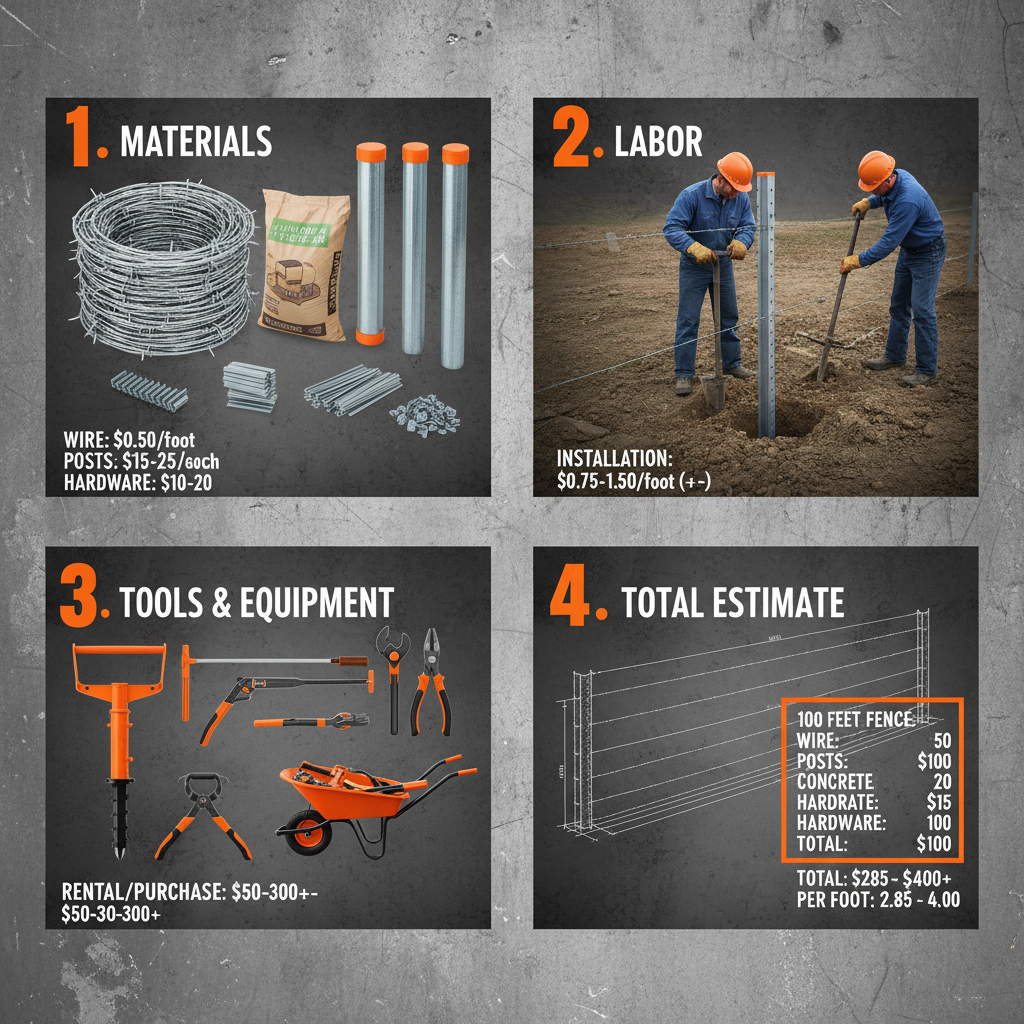
Several factors contribute to the overall cost of a barbed wire fence. These include the type of barbed wire chosen, the length of fencing required, the number of posts needed, the terrain of the land, and labor costs if professional installation is selected. The gauge (thickness) of the wire also plays a significant role; thicker wire is more durable but also more expensive. Additionally, the height of the fence and the spacing between posts will impact the material requirements. Location also impacts cost. Consider local material prices and labor rates when planning your budget.
Key Considerations: Terrain, wire gauge, fence height, post spacing, and labor rates are key determinants of the final cost.
Different types of barbed wire offer varying levels of security and durability, and consequently, come with different price tags. The most common types include standard barbed wire, 12.5 gauge barbed wire, and heavy-duty barbed wire. Standard barbed wire is the most affordable option, while heavy-duty wire provides superior strength and longevity. High-tensile wire offers another option, commonly used for agricultural fencing due to its strength and ability to withstand livestock pressure. Choosing the right type depends on your specific security needs and budget.
Barbed Wire Types:
• Standard Barbed Wire: Most economical choice.
• 12.5 Gauge Barbed Wire: Provides greater strength.
• Heavy-Duty Barbed Wire: Highest level of security and durability.
• High-Tensile Wire: Excellent for agricultural applications.
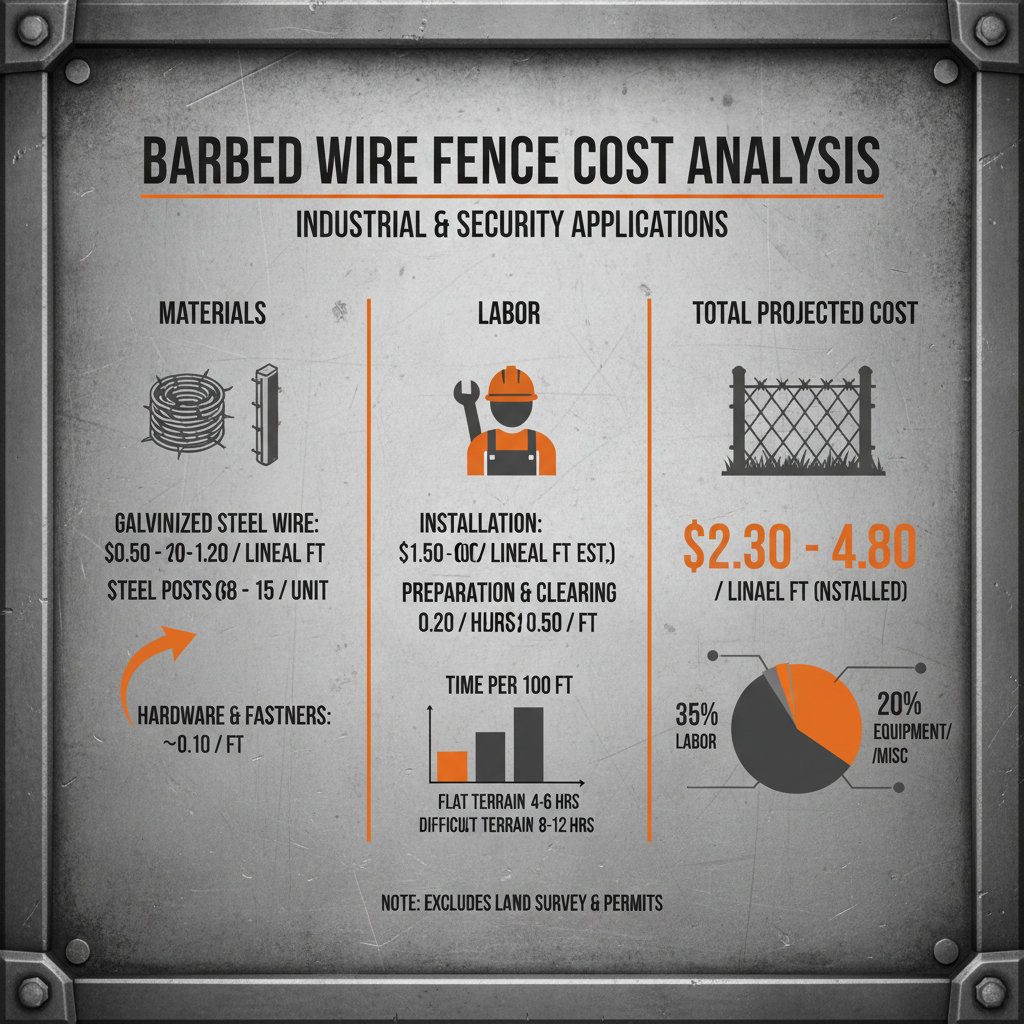
Here's a breakdown of the typical costs associated with a barbed wire fence. Please note these are estimates and can vary based on location and specific project requirements.
You have the option of installing the barbed wire fence yourself or hiring a professional. DIY installation can save on labor costs but requires physical effort, time, and some knowledge of fencing techniques. Professional installation ensures proper fence alignment, tensioning, and secure post setting, leading to a more durable and effective fence. If you are considering a DIY project, ensure you are familiar with local regulations and safety precautions.
For high-quality barbed wire and fencing materials, Jinzehong Wire Mesh offers competitive pricing and a wide selection of options. Contact us today to receive a customized quote based on your specific project requirements. We can assist you in determining the optimal materials and quantities needed to ensure a secure and cost-effective fencing solution. We are dedicated to providing excellent products and customer service.
Understanding the barbed wire fence cost involves considering various factors, from material selection to installation methods. By carefully evaluating your needs and budgeting accordingly, you can secure your property effectively and affordably. Don't hesitate to reach out to <a href="https://www.jinzehongwiremesh.com" style="color: white; text-decoration: underline; font-weight: 600;">Jinzehong Wire Mesh</a> for expert advice and a tailored quote.
The lifespan of a barbed wire fence can range from 20 to 30 years, depending on the quality of materials used, the environment, and maintenance practices. Galvanized steel wire is more resistant to rust and corrosion than standard steel wire, extending the fence's life. Regular inspection and repair of damaged sections are essential to maintain its effectiveness. Environmental factors like salt spray (near coastal areas) can accelerate corrosion, reducing the lifespan. Proper post treatment and installation techniques also contribute to longevity.
It’s recommended to inspect your barbed wire fence at least twice a year – once in the spring and once in the fall. Look for signs of rust, broken wires, loose posts, and damage from animals or weather. Addressing minor issues promptly can prevent more significant and costly repairs later on. Pay particular attention to areas prone to corrosion or stress, such as corners and gates. During inspections, also check the tension of the wire and tighten it if necessary.
Yes, many local jurisdictions have regulations regarding barbed wire fencing. These regulations may cover height restrictions, setback requirements from property lines, and permitting procedures. It’s crucial to check with your local authorities (city hall, county planning department) before installing a barbed wire fence to ensure compliance. Failure to adhere to local regulations can result in fines or the requirement to remove the fence. Some areas may also have specific rules regarding signage or warning labels.
The best type of post depends on your soil conditions and budget. Treated wood posts are a cost-effective option for many applications, but they are susceptible to rot over time. Metal posts, such as steel T-posts or H-posts, are more durable and require less maintenance, but they are typically more expensive. For corner and end posts, consider using larger, more robust posts to provide greater stability. Properly setting the posts in concrete is crucial for long-term fence stability.
Hit enter to search or ESC to close