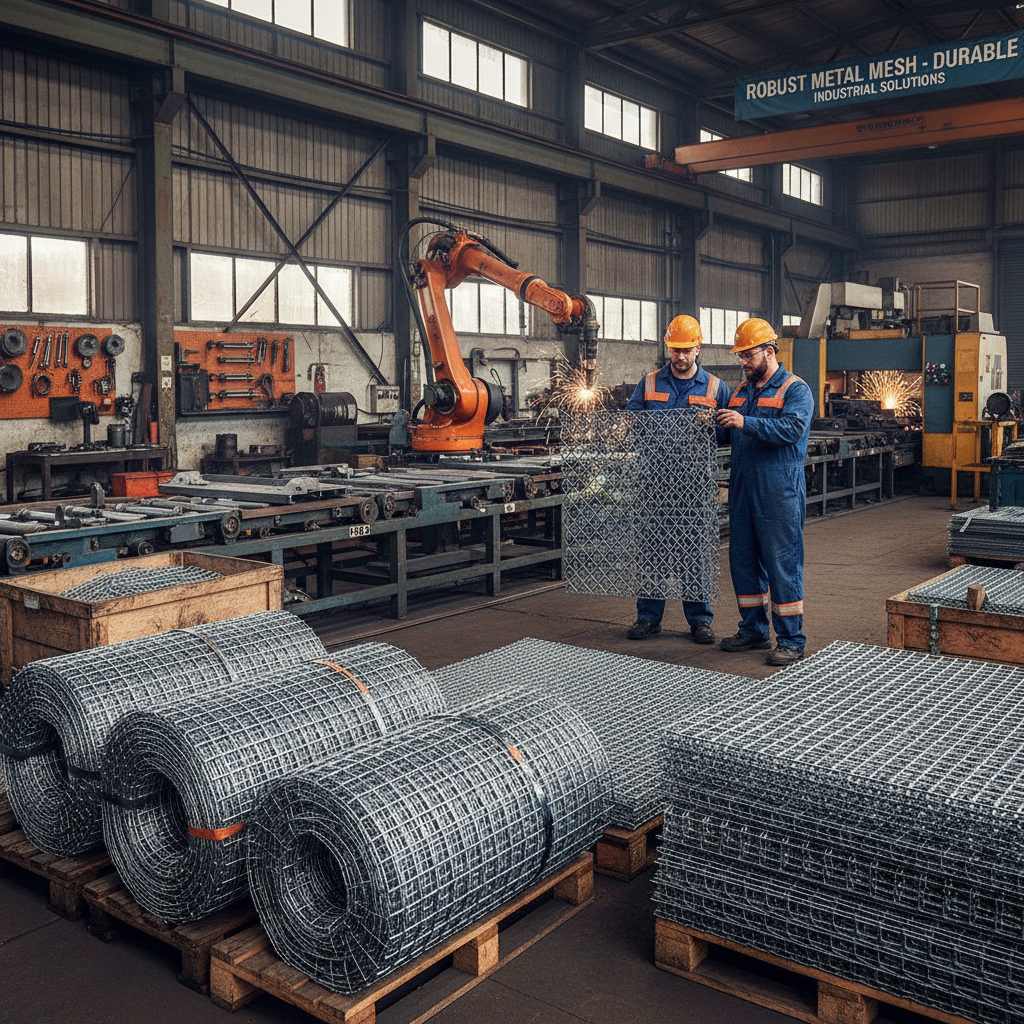
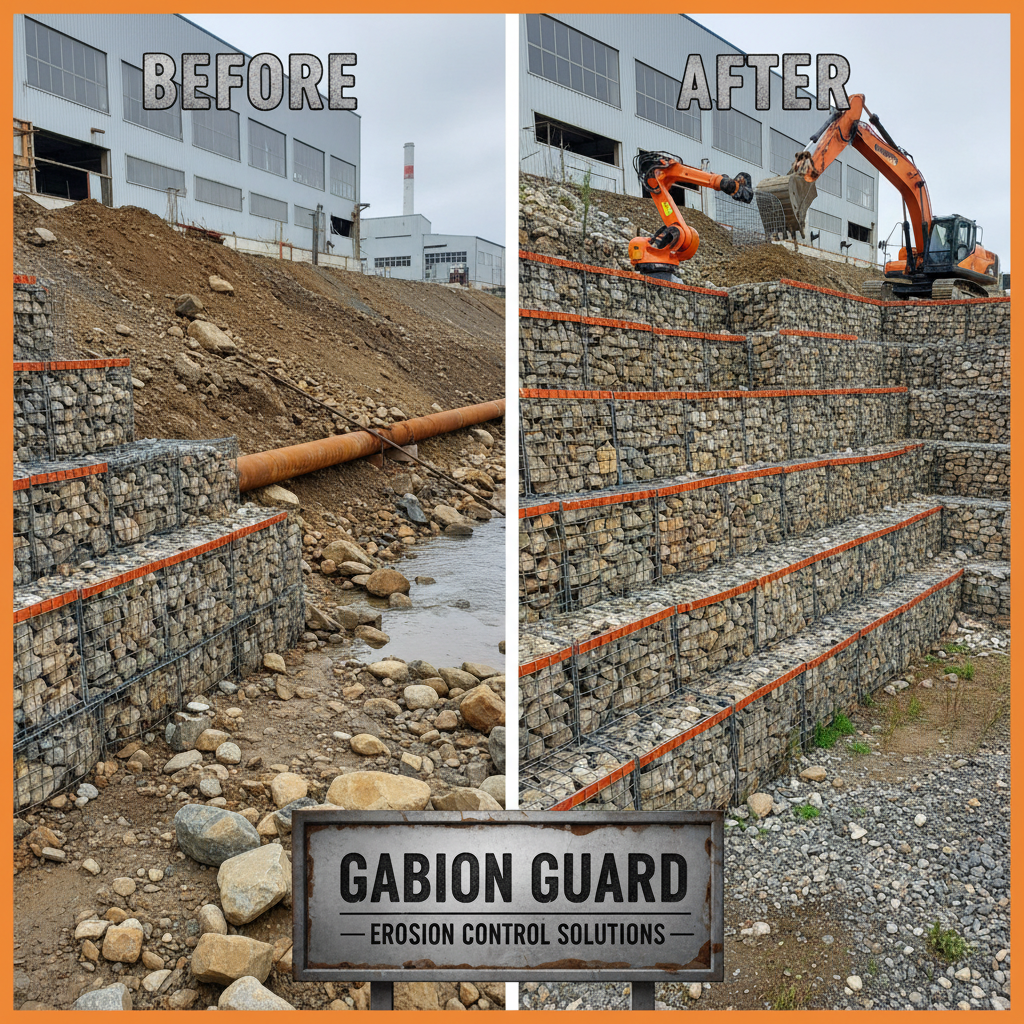
Architectural wire mesh represents a fascinating intersection of engineering, aesthetics, and functionality. Globally, it’s increasingly utilized in a diverse range of applications, from building facades and interior design to security systems and industrial filtration. This versatility stems from its unique properties—strength, flexibility, transparency, and durability—making it a sought-after material in modern construction and design. Understanding architectural wire mesh isn’t just about appreciating its visual appeal, but also about recognizing its potential to contribute to safer, more sustainable, and aesthetically pleasing built environments.
The demand for innovative construction materials is surging worldwide, driven by urbanization, population growth, and a renewed focus on sustainable building practices. According to the UN, nearly 70% of the world’s population will live in urban areas by 2050, placing immense pressure on existing infrastructure. Architectural wire mesh offers scalable solutions for addressing these challenges, providing adaptable and cost-effective building components. The ISO standards governing material quality and safety further underscore the importance of informed choices in this rapidly evolving field.
Ultimately, architectural wire mesh is more than just a building material; it represents a design philosophy that embraces functionality, aesthetics, and sustainability. Its widespread adoption is a testament to its ability to address a range of contemporary needs and is expected to continue growing as new applications are discovered and technologies advance.
Definition & Meaning
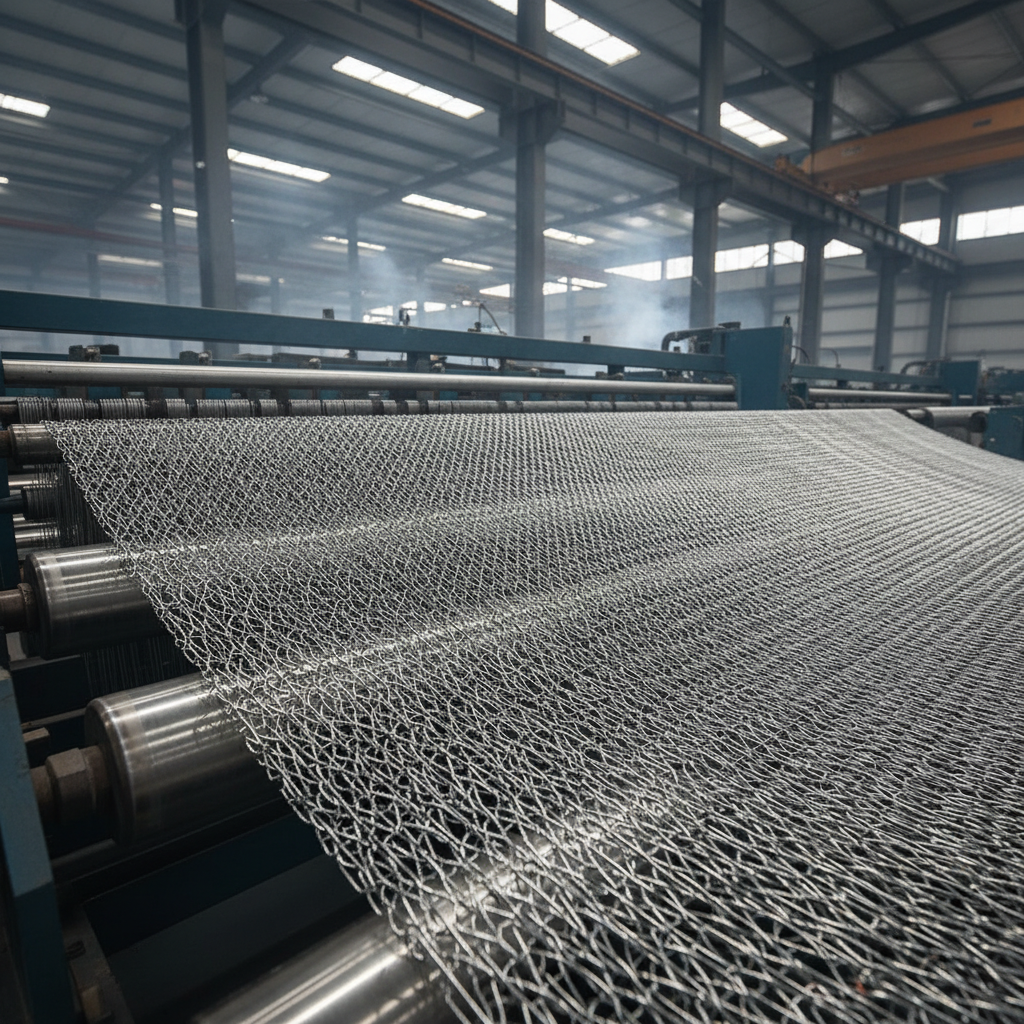
Architectural wire mesh is essentially a woven or welded network of metal wires, designed and fabricated for use in building and construction applications. Unlike industrial wire mesh focused purely on function, architectural wire mesh prioritizes both performance and aesthetic qualities. It's created from various materials – stainless steel being the most common – but can also include aluminum, copper, and other alloys, each offering unique properties and visual characteristics.
Its connection to modern industry lies in its ability to meet evolving demands for flexible, lightweight, and sustainable building solutions. Driven by a need for innovative materials that enhance safety and architectural design, it's become an integral component in a variety of modern construction projects. From a humanitarian perspective, similar woven structures find use in rapidly deployable shelters and disaster relief housing, underlining the versatility of this technology.
Global Relevance & Industry Context
Architectural wire mesh is a globally recognized material, impacting construction and design across diverse climates and cultural contexts. From the sleek facades of skyscrapers in bustling metropolises like Shanghai and New York to the subtle security screens adorning historical buildings in Rome and Paris, its applications are widespread. The global market for architectural wire mesh is estimated to be worth billions of dollars, driven by increasing demand in both developed and developing economies.
The World Bank’s focus on sustainable infrastructure development and the increasing stringency of building codes worldwide are major drivers of this growth. As societies prioritize energy efficiency, safety, and aesthetic appeal, architectural wire mesh offers a compelling solution. It addresses the challenges posed by urbanization, climate change, and the need for resilient infrastructure.
However, inconsistencies in quality control and varying international standards present challenges. Addressing these disparities is crucial for fostering a globally competitive and trustworthy market for architectural wire mesh, ensuring that projects meet safety requirements and aesthetic expectations across different regions.
Key Factors & Core Components
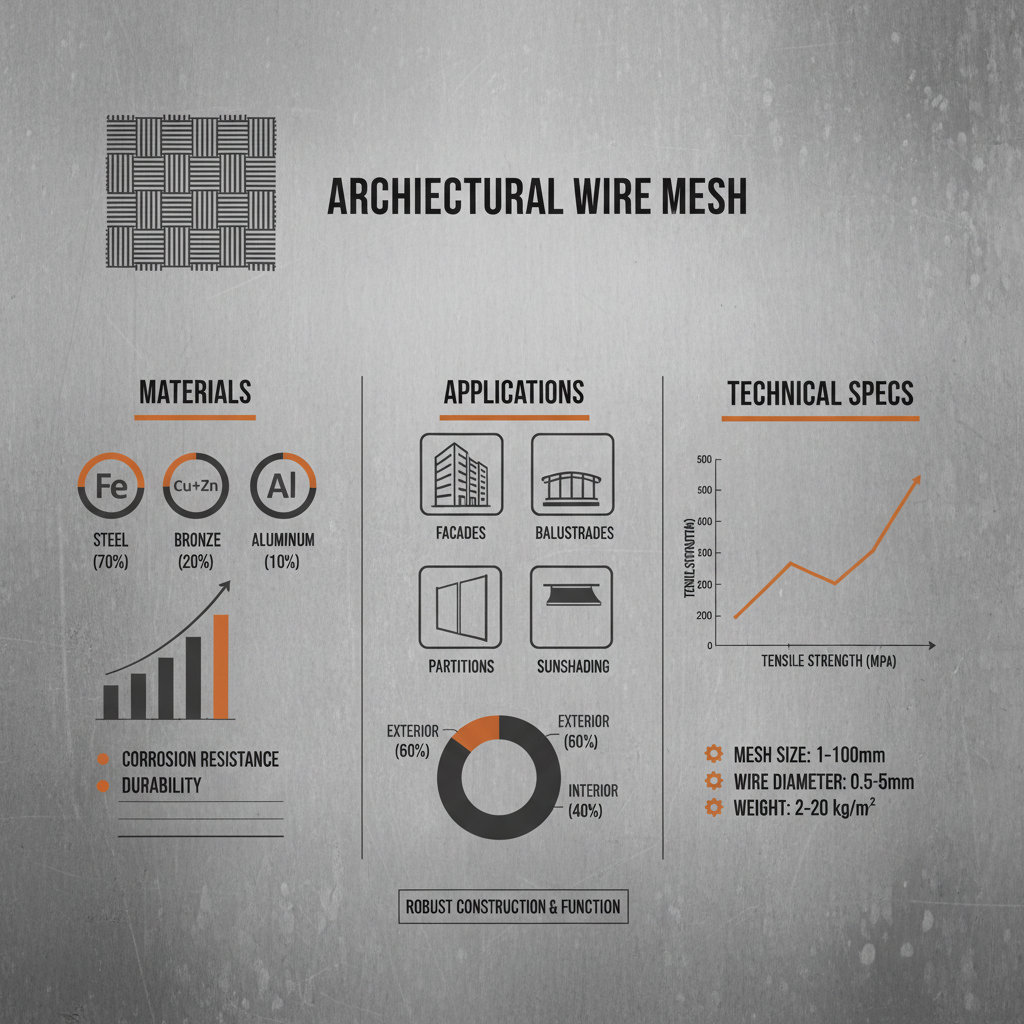
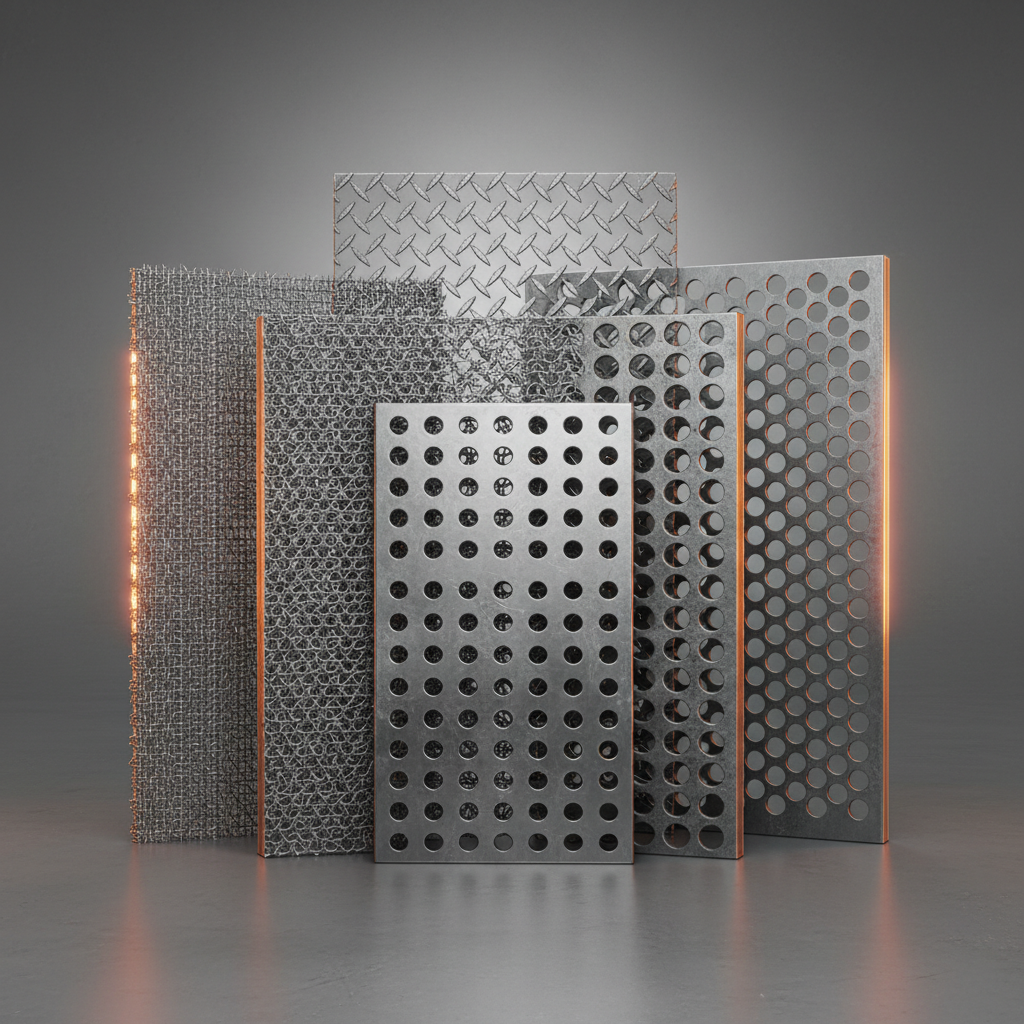
Several core factors contribute to the effectiveness and widespread adoption of architectural wire mesh. These include material composition, weave pattern, wire diameter, and finish. Stainless steel, especially grades 304 and 316, is favored for its corrosion resistance and durability. Weave patterns – such as plain weave, twill weave, and dutch weave – influence the mesh’s openness, flexibility, and visual texture.
Wire diameter dictates the mesh’s strength and weight. Finer diameters create a more delicate appearance and offer greater flexibility, while thicker diameters provide increased structural integrity. Finishes, such as polished, brushed, or powder-coated, further enhance aesthetics and protect against environmental factors. These elements combine to dictate the suitability of a specific mesh for a given application.
Beyond the physical components, consider installation methods. Proper tensioning and securing are vital for ensuring the mesh’s longevity and performance. Sophisticated fastening systems, often customized for specific project requirements, are essential for maintaining the mesh's integrity over time. Additionally, understanding the load-bearing capacity and wind resistance characteristics of the chosen mesh is critical, particularly for facade applications.
Durability & Longevity
The durability of architectural wire mesh is a key factor in its long-term value and cost-effectiveness. High-quality stainless steel meshes, particularly those utilizing grade 316, exhibit exceptional resistance to corrosion, even in harsh coastal environments or industrial settings. Proper fabrication techniques, such as precise welding or weaving, further enhance structural integrity.
Expected lifespan depends significantly on the specific environment and application. In indoor applications, architectural wire mesh can realistically last for decades with minimal maintenance. Outdoor applications may require periodic cleaning or protective coatings to mitigate the effects of weathering and pollutants.
Durability Ratings of Architectural Wire Mesh Materials
Applications & Real-World Use Cases
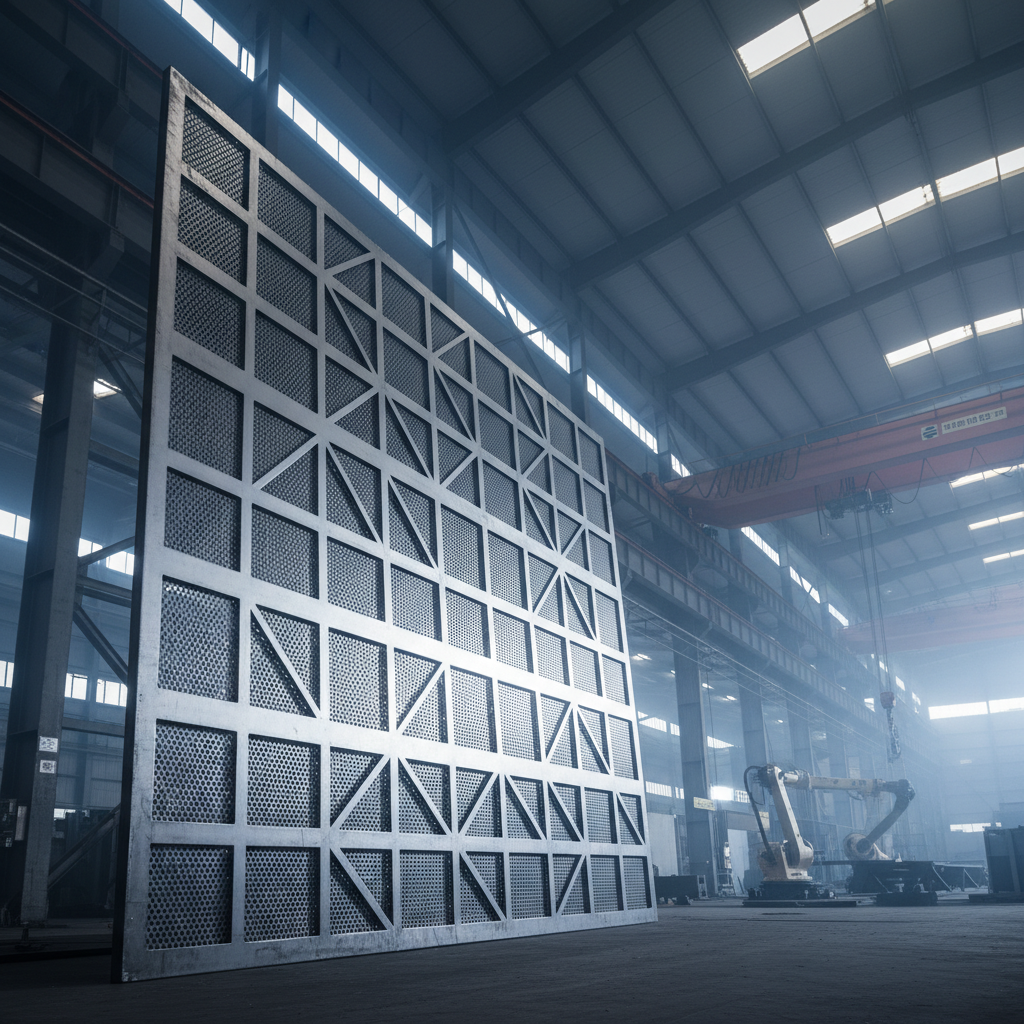
Architectural wire mesh finds applications across a diverse range of industries. In construction, it’s used for facade cladding, sun shading, balcony railings, and security screens. Its lightweight nature makes it ideal for retrofitting existing buildings, enhancing their aesthetic appeal and functionality without significant structural modifications.
Beyond construction, it’s employed in transportation (airport security screening), healthcare (hospital privacy screens), and retail (display features and security barriers). The increasing demand for sustainable and visually appealing design solutions is driving the exploration of new and innovative applications for this versatile material.
Advantages & Long-Term Value
The advantages of utilizing architectural wire mesh are multifaceted. Cost-effectiveness is a significant benefit, particularly when compared to alternative materials like glass or solid metal panels. Its lightweight nature reduces structural load, potentially lowering construction costs. Sustainability is another key advantage – stainless steel is recyclable, and the material’s durability translates into a longer lifespan, reducing the need for frequent replacements.
Beyond these tangible benefits, architectural wire mesh offers aesthetic flexibility and enhances safety and security. It can create visually striking building facades, provide natural ventilation, and act as a deterrent to intruders. The long-term value lies in its ability to combine functionality, aesthetics, and sustainability, creating buildings that are both beautiful and responsible.
Future Trends & Innovations
The future of architectural wire mesh is poised for innovation. Advancements in materials science are leading to the development of new alloys with enhanced properties – increased strength, improved corrosion resistance, and lighter weight. Digital fabrication techniques, such as 3D weaving, are enabling the creation of complex geometries and customized designs.
Integration with smart building technologies is also on the horizon. Incorporating sensors and actuators into the mesh structure could allow for dynamic shading control, energy harvesting, and real-time monitoring of structural integrity. Furthermore, a growing focus on circular economy principles will drive the development of more sustainable manufacturing processes and end-of-life recycling solutions.
Summary of Key Future Trends in Architectural Wire Mesh
| Trend Category |
Innovation Focus |
Impact on Architectural Wire Mesh |
Potential Timeline |
| Materials Science |
New Alloy Development |
Enhanced strength, corrosion resistance, reduced weight. |
2-5 years |
| Digital Fabrication |
3D Weaving Technologies |
Creation of complex geometries, customized designs. |
3-7 years |
| Smart Building Integration |
Sensor & Actuator Embedding |
Dynamic shading, energy harvesting, structural monitoring. |
5-10 years |
| Sustainability |
Circular Economy Practices |
Improved recycling processes, reduced waste, responsible sourcing. |
Ongoing |
| Coatings & Finishes |
Self-Cleaning Nanocoatings |
Reduced maintenance, enhanced aesthetics, improved longevity. |
2-3 years |
| Design Software |
Parametric Modeling Tools |
Streamlined design process, optimized material usage, enhanced customization. |
1-2 years |
FAQS
Architectural wire mesh offers several advantages over glass. It’s significantly lighter, reducing structural load and cost. It provides varying degrees of transparency and visibility while offering privacy and solar control. Wire mesh is also incredibly durable, resisting impacts and weathering better than glass in certain applications. Finally, it provides a unique aesthetic that glass often cannot replicate.
Coastal environments pose unique challenges due to salt spray and humidity. Selecting the correct grade of stainless steel is crucial—316 stainless steel offers superior corrosion resistance compared to 304. Regular cleaning to remove salt deposits is also recommended. Consider applying a protective coating specifically designed for marine environments to further enhance durability.
Lead times vary depending on the complexity of the project, the quantity of mesh required, and the specific fabrication techniques involved. Generally, you can expect a lead time of 4-8 weeks for custom projects, but it's best to consult with a reputable supplier to get a more accurate estimate based on your specific requirements.
Yes, architectural wire mesh can be a highly sustainable material. Stainless steel is 100% recyclable, reducing waste and conserving resources. Its durability translates into a longer lifespan, minimizing the need for replacements. The material’s lightweight nature also reduces transportation costs and energy consumption.
The fire resistance of architectural wire mesh depends on the material composition and the specific weave pattern. Stainless steel is inherently non-combustible. However, fire ratings must be verified through testing and certification by accredited laboratories, as they can vary based on the overall system design and installation.
Proper installation is critical. Ensure the supporting structure is adequately designed to bear the weight of the mesh. Use appropriate fastening systems and tensioning mechanisms to prevent sagging or deformation. Precise alignment and consistent tensioning are essential for achieving a visually appealing and structurally sound facade. Professional installation is highly recommended.
Conclusion
In conclusion, architectural wire mesh is a versatile and innovative material that offers a compelling combination of functionality, aesthetics, and sustainability. From its diverse applications in building facades and security systems to its potential for integration with smart technologies, it is poised to play an increasingly significant role in shaping the future of the built environment. Understanding its core properties, advantages, and emerging trends is crucial for architects, designers, and engineers seeking to create resilient, beautiful, and responsible structures.
Looking ahead, continued research and development in materials science and fabrication techniques will unlock even greater potential for architectural wire mesh. Embracing this material not only enhances the visual appeal of buildings but also contributes to a more sustainable and secure future. For more information and to explore the possibilities of incorporating architectural wire mesh into your projects, visit our website: jinzehongwiremesh.com.