11 Feb 2026
Ripper razor wire, also known as concertina wire, is a high-security fencing solution designed to deter trespassers and protect properties. It’s a robust and effective barrier widely used in military, correctional facilities, industrial sites, and residential security applications. This article will explore the different types of ripper razor wire, its applications, installation considerations, and factors to consider when choosing the right type for your needs. We’ll provide insights into its security benefits and help you understand whether it's the appropriate solution for your specific security challenges.
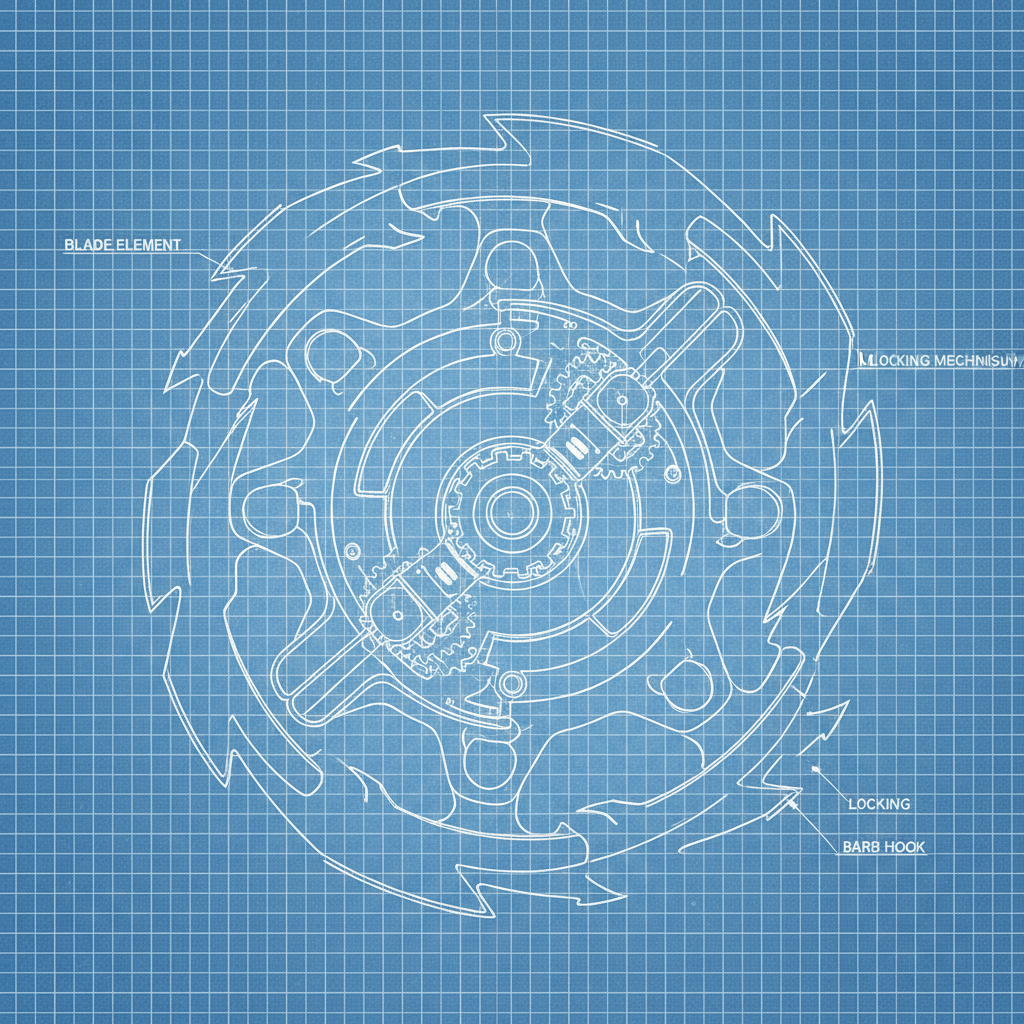
Ripper razor wire comes in several configurations, each suited for different security needs. The main types include flat-coil, spiral, and barbed tape. Flat-coil razor wire is characterized by its flat, ribbon-like blades that are tightly wound together. Spiral razor wire comes in single-coil and double-coil variations, offering increasing levels of security. Barbed tape is a less aggressive form, often used in conjunction with chain-link fencing. The choice depends on the level of security required, the perimeter characteristics, and budget considerations. Different types also vary in ease of installation and maintenance. Understanding these differences is crucial for effective security planning.
Key Takeaway: Selecting the correct type of ripper razor wire is paramount. Consider the threat level, installation environment, and desired level of security when making your decision.
The versatility of ripper razor wire makes it suitable for a wide range of applications. High-security prisons utilize it extensively for perimeter control. Military bases employ it to protect critical infrastructure. Industrial sites, like power plants and warehouses, use it to deter theft and vandalism. Residential properties can benefit from increased security, particularly in areas prone to burglary. Agricultural lands often use it to protect livestock and prevent trespassers. In short, any location requiring a significant deterrent against unauthorized access can benefit from the implementation of ripper razor wire fencing.
Common Applications:
• Prisons and Correctional Facilities
• Military Installations
• Industrial and Commercial Properties
• Residential Security
• Agricultural Lands
Different types of ripper razor wire offer varying levels of protection and cost. The table below provides a comparison of common specifications and features.
Installing ripper razor wire requires careful planning and adherence to safety precautions. Properly trained personnel should handle the installation to avoid injuries. Support posts should be strong and securely anchored. The wire should be tensioned correctly to maintain its effectiveness. Warning signs should be prominently displayed to alert individuals to the presence of the barrier. Always wear appropriate personal protective equipment (PPE), including gloves, eye protection, and long sleeves, during installation and maintenance. Jinzehong Wiremesh provides detailed installation guides and safety recommendations.
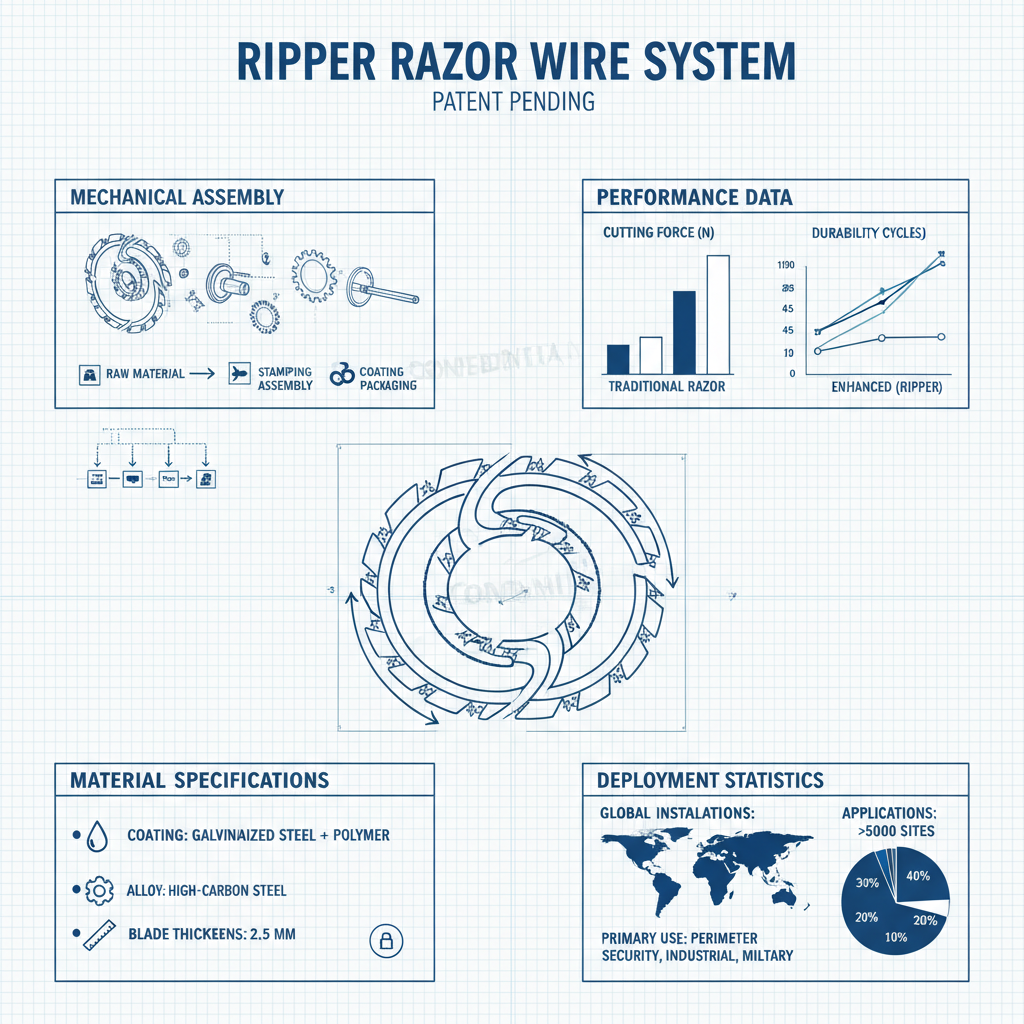
Ripper razor wire offers a highly effective solution for securing properties and deterring intruders. By carefully considering the type of wire needed, understanding installation requirements, and prioritizing safety, you can significantly enhance the security of your site. For reliable sourcing and expert advice, contact Jinzehong Wiremesh today.
The lifespan of ripper razor wire is highly dependent on the environment and material quality. Typically, galvanized steel wire can last 10-15 years, while stainless steel can exceed 20 years. However, factors like exposure to salt air, harsh chemicals, and vandalism can shorten the lifespan. Regular inspections for corrosion and damage are crucial for identifying potential issues. Proper maintenance, such as cleaning and re-galvanizing, can extend the lifespan.
Regular maintenance is essential for ensuring the longevity and effectiveness of ripper razor wire. Inspect the wire for any signs of corrosion, damage, or loosening of the clips. Remove any debris or vegetation that may be growing on or around the wire. If corrosion is present, consider applying a corrosion-resistant coating. Tighten any loose clips and replace any damaged sections of wire immediately. Annual inspections are highly recommended.
The legality of ripper razor wire varies by location. Some municipalities have restrictions on its use, particularly in residential areas. It's crucial to check local regulations and obtain any necessary permits before installing ripper razor wire. Some areas may require warning signs or specific height limitations. Failure to comply with local laws can result in fines or removal of the barrier.
Compared to traditional chain-link fencing, ripper razor wire provides a significantly higher level of security due to its inherent deterrent effect. While electric fences offer a similar deterrent, they require a power source and can be susceptible to outages. Concrete walls are highly secure but also expensive and visually imposing. Ripper razor wire strikes a balance between cost-effectiveness, security, and visibility, making it a popular choice for a wide range of applications.
Hit enter to search or ESC to close