Navigating the Landscape of Gabion Net Solutions
In the realm of civil engineering, environmental protection, and infrastructure development, robust and sustainable solutions are paramount. The Gabion Net stands out as a versatile and eco-friendly engineering material, increasingly vital for applications ranging from erosion control to structural retention. This comprehensive overview delves into the technical intricacies, market trends, and practical applications of these essential wire mesh structures.
Current Industry Trends and Market Drivers
The demand for durable and environmentally conscious construction materials is surging. Key trends influencing the Gabion Net market include:
- Sustainable Infrastructure: Growing emphasis on green engineering and minimal environmental impact, making gabions an attractive choice due to their natural fill and permeability.
- Climate Change Adaptation: Increased frequency of extreme weather events drives demand for robust flood protection, riverbank stabilization, and landslide prevention systems.
- Technological Advancements: Improvements in wire coating technologies (e.g., Galfan, PVC coating) and weaving techniques enhance the lifespan and performance of gabion products.
- Urban Development & Land Reclamation: Expansion of urban areas and the need for stable land foundations fuel the adoption of gabions for retaining walls and slope reinforcement.
These trends highlight the evolving role of the Gabion Net as a critical component in modern engineering projects, offering both functional stability and ecological benefits.
Understanding the Gabion Net: Technical Specifications
A Gabion Net is essentially a cage, cylinder, or box filled with rocks, concrete, sand, or soil, used in civil engineering, road building, military applications, and landscaping. The primary material is typically heavily galvanized steel wire, often supplemented with a PVC coating for enhanced corrosion resistance.
Core Materials and Structural Parameters
- Wire Material: Low carbon steel wire, hot-dip galvanized, or Galfan (Zinc-Aluminum alloy) coated for superior corrosion protection.
- PVC Coating: An additional layer of PVC (Polyvinyl Chloride) applied over galvanized wire, providing extra defense against harsh environments, chemicals, and abrasion. This is crucial for applications in marine or polluted environments.
- Mesh Type: Double twisted hexagonal mesh is the most common configuration, offering high tensile strength and resistance to unraveling even if a wire breaks.
- Diaphragms: Internal partitions used to reinforce the structure and prevent the fill material from shifting, dividing the gabion into cells.
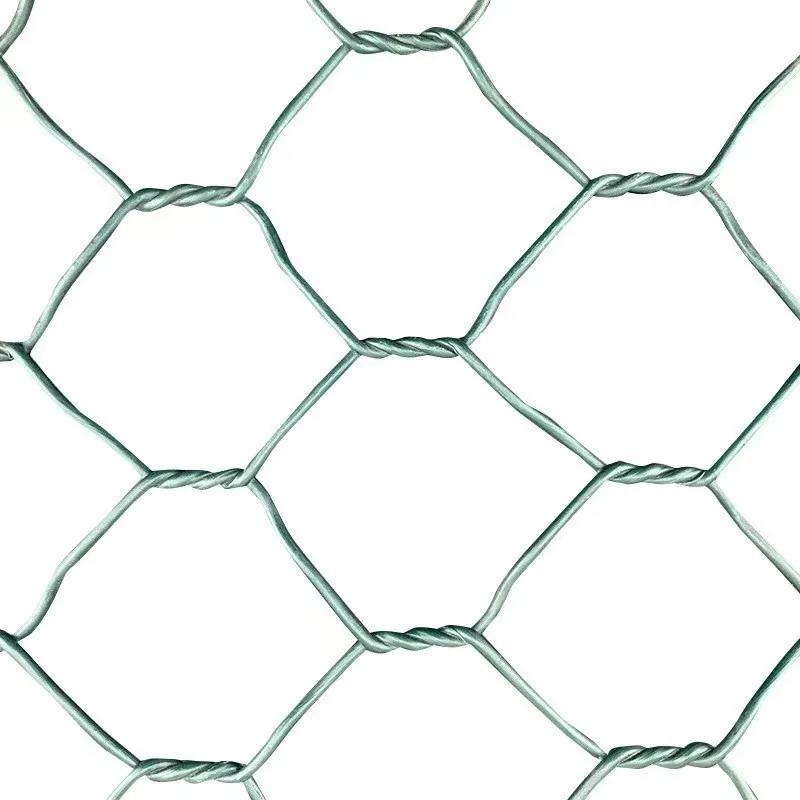
Figure 1: Typical Gabion Net installation for slope stabilization.
Product Specification Table: Standard Gabion Net Parameters
| Parameter |
Specification |
Standard (Example) |
| Wire Diameter (Mesh) |
2.0mm - 4.0mm |
ASTM A975-97 |
| Wire Diameter (Selvedge) |
Up to 0.5mm thicker than mesh wire |
ASTM A975-97 |
| Mesh Opening (Hexagonal) |
60x80mm, 80x100mm, 100x120mm |
EN 10223-3 |
| Zinc Coating Weight |
Min. 245 g/m² (Hot-dip galvanized) |
EN 10244-2 Class A |
| Tensile Strength |
350-550 N/mm² |
EN 10223-3 |
| PVC Coating Thickness |
Min. 0.5mm (over galvanized wire) |
ASTM A975-97 |
| Typical Dimensions (L x W x H) |
2x1x1m, 3x1x1m, 4x1x0.5m |
Customizable |
Manufacturing Process Flow of Gabion Net
The production of a high-quality Gabion Net involves a series of precision-engineered steps, ensuring durability and adherence to international standards. The process emphasizes material integrity, automated fabrication, and rigorous quality control.
Step-by-Step Production Sequence:
- Wire Drawing & Pre-treatment: High-grade low-carbon steel rods are drawn into wires of specified diameters. Wires undergo thorough cleaning to remove impurities, preparing them for coating.
- Galvanizing or Galfan Coating: Wires are submerged in molten zinc (hot-dip galvanizing) or a zinc-aluminum alloy (Galfan) to create a protective, corrosion-resistant layer. This process is critical for extending the service life of the Gabion Net, typically achieving 25-50 years depending on environmental conditions.
- PVC Coating (Optional but Recommended): For applications requiring enhanced protection against corrosive agents, an additional PVC layer is extruded onto the galvanized wires. This adds an extra shield against chemicals, abrasion, and UV radiation, further extending longevity.
- Double Twist Weaving: Utilizing specialized automated weaving machines (similar to advanced CNC machining in terms of precision), the coated wires are intricately woven into a double-twisted hexagonal mesh. This unique weaving pattern ensures that even if one wire breaks, the mesh retains its integrity, preventing unraveling.
- Cutting and Edging: The continuous mesh is cut into specific dimensions for gabion boxes or mattresses. Selvedge wires, which are thicker and provide stronger edges, are incorporated during this stage to reinforce the perimeter of each gabion unit.
- Diaphragm Insertion & Assembly: Internal diaphragms are integrated into the gabion structure to form cells, which enhance stability and prevent the fill material from migrating.
- Quality Control & Testing: Throughout the process, strict quality checks are performed. This includes tensile strength tests, coating thickness measurements, mesh opening verification, and material composition analysis. Products adhere to international standards such as ISO 9001 (Quality Management), ASTM A975-97 (Standard Specification for Double-Twisted Hexagonal Mesh Gabions and Revet Mattresses), and EN 10223-3 (Steel wire and wire products for fencing and netting - Hexagonal steel wire netting).
- Folding and Packaging: Finished gabion units are flat-packed or rolled for efficient transport, minimizing shipping costs and simplifying handling at the construction site.
The target industries for these products include petrochemical, metallurgy, water supply & drainage, civil infrastructure, and environmental engineering. The emphasis on high-grade materials and rigorous testing ensures exceptional performance in terms of corrosion resistance and structural stability, leading to reduced maintenance and extended project lifespans.
Key Technical Advantages and Application Scenarios
The inherent design and material properties of the Gabion Net confer several significant advantages, making it a preferred choice for demanding engineering applications.
Unparalleled Technical Advantages:
- Flexibility & Adaptability: Gabion structures can accommodate differential ground settlement without loss of structural integrity, a critical advantage in unstable soil conditions or seismic zones.
- Permeability: The open mesh structure, when filled with aggregate, allows for excellent water drainage, eliminating hydrostatic pressure behind retaining walls. This prevents uplift and ensures long-term stability.
- Corrosion Resistance: Heavy galvanization, Galfan coating, and optional PVC coating provide superior protection against environmental degradation, extending service life in aggressive environments like coastal areas or polluted waters. This demonstrates a significant advantage in energy saving by reducing the need for frequent repairs and replacements.
- Strength & Durability: The double-twist mesh design ensures high tensile strength and resistance to tearing, while the rock-fill provides substantial mass and structural stability against hydraulic forces and soil pressures.
- Environmental Friendliness: Gabions are filled with locally available materials, reducing transportation costs and carbon footprint. They also promote natural vegetation growth within their voids, enhancing aesthetic appeal and ecological integration.
- Cost-Effectiveness: Lower installation costs compared to rigid structures, ease of assembly, and use of readily available fill materials contribute to overall project economy.
Typical Application Scenarios:
The versatility of gabions makes them suitable for a wide range of critical applications:
- River Training & Flood Control: Used for riverbank protection, weirs, and channel linings to prevent erosion and manage water flow.
- Retaining Walls: Gravity walls for slope stabilization, highway embankments, and bridge abutments. Their flexibility allows them to adapt to minor ground movements.
- Slope Protection & Erosion Control: Employed on steep slopes to prevent landslides and surface erosion, particularly in mining, civil construction, and landscaping.
- Coastal & Marine Protection: Ideal for revetments, groynes, and breakwaters due to their high corrosion resistance and ability to dissipate wave energy.
- Bridge Scour Protection: Placed around bridge piers and abutments to prevent scour and maintain structural integrity.
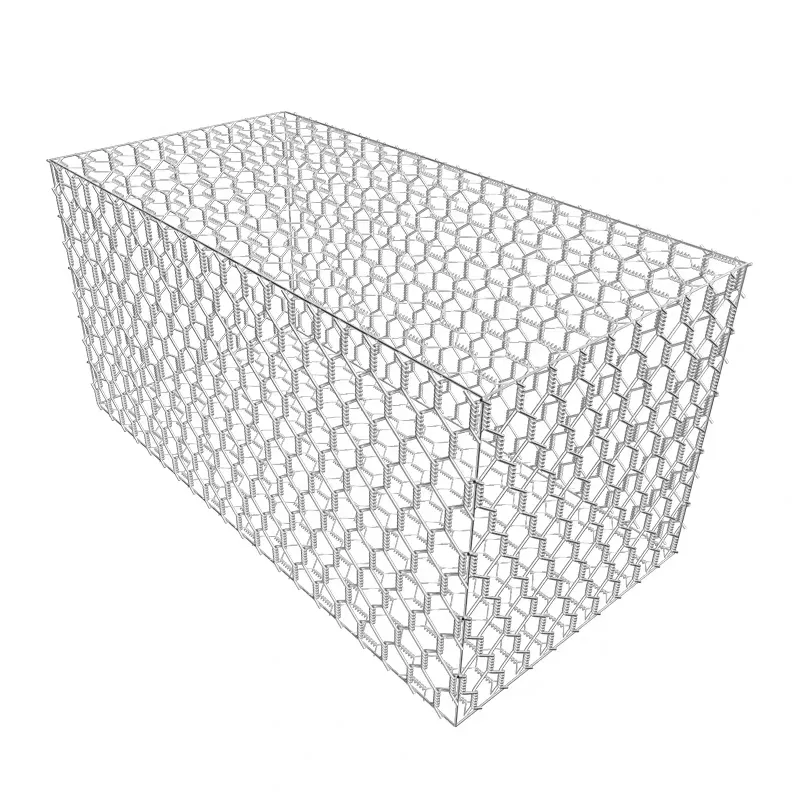
Figure 2: Gabion Net retaining wall for road embankment stabilization.
Application Case Study: Riverbank Stabilization Project
Project: Grande River Bank Revetment, Brazil
Challenge: The Grande River experienced severe annual flooding, leading to significant erosion of agricultural land and threatening local infrastructure. Traditional concrete solutions were deemed too costly, inflexible, and environmentally disruptive.
Solution: Over 15,000 cubic meters of PVC-coated Gabion Net baskets (3x1x1m) were deployed along a 2km stretch of the riverbank. The gabions were filled with locally sourced river stones, offering a permeable, flexible, and robust revetment. The PVC coating was crucial given the prolonged submersion and abrasive action of the river sediment.
Outcome: The gabion structure successfully withstood multiple flood seasons over five years, preventing further erosion and stabilizing the riverbanks. The natural vegetation that established itself within the gabion voids further enhanced bank stability and restored ecological habitats. This project demonstrated significant cost savings (estimated 30% reduction compared to concrete alternatives) and superior environmental performance, receiving positive feedback from local communities and environmental agencies.
Vendor Comparison and Customized Solutions
Selecting the right supplier for Gabion Net products is a critical decision that impacts project longevity, compliance, and overall cost-effectiveness. A professional vendor provides not just products, but also technical expertise and support.
Key Considerations for Vendor Selection:
- Certifications: Verify adherence to international quality standards (e.g., ISO 9001, CE, ASTM, EN).
- Material Quality: Insist on verifiable specifications for wire diameter, coating weight (galvanization, Galfan, PVC), and tensile strength.
- Manufacturing Process: A reputable vendor will have automated, precise manufacturing processes and robust internal quality control.
- Technical Support: Availability of engineering support for design, specification, and installation guidance.
- Experience & Reputation: Years in service, portfolio of successful projects, and client testimonials are strong indicators of reliability.
Vendor Comparison Table: Jinzehong Wire Mesh vs. Generic Competitor
| Feature/Criterion |
Jinzehong Wire Mesh |
Generic Competitor (Example) |
| Certifications |
ISO 9001:2015, ASTM A975, EN 10223-3, CE Compliant |
Often limited or partial certifications |
| Wire Coating (Galvanization) |
Min. 245 g/m² Zinc or Galfan (95% Zinc / 5% Aluminum) |
Variable, often lower zinc content (e.g., 60-120 g/m²) |
| PVC Coating |
High-grade UV-stabilized PVC, Min. 0.5mm thickness |
Potentially thinner, non-UV stabilized, less durable PVC |
| Manufacturing Precision |
Automated double-twist weaving, consistent mesh size |
Manual or semi-automated, potential for mesh inconsistencies |
| Technical Support & Customization |
Dedicated engineering team, fully customizable dimensions & materials |
Limited or no technical support, standard sizes only |
| Service Life (Estimated) |
Galvanized: 25-30 years; PVC Coated: 50+ years (moderate conditions) |
Galvanized: 10-15 years; PVC Coated: 20-30 years (moderate conditions) |
Customized Solutions for Specific Project Needs
Recognizing that no two projects are identical, leading manufacturers offer bespoke Gabion Net solutions. This includes:
- Varied Dimensions: Gabions can be fabricated in specific lengths, widths, and heights to match site constraints and design requirements.
- Specialized Coatings: Beyond standard galvanization and PVC, options for highly acidic or alkaline environments can be explored.
- Mesh Configurations: Different mesh opening sizes can be provided depending on the fill material and structural demands.
- Integrated Components: Custom gabion systems can include geotextile filters, tie wires, or unique fastening mechanisms for complex installations.
Such customization ensures optimal performance and cost-efficiency for unique challenges faced by engineers and project managers.
Ensuring Trustworthiness: FAQ, Lead Time, Warranty & Support
Building trust with B2B clients requires transparency in product performance, logistical execution, and post-sales support. Here, we address common inquiries and outline our commitment to client satisfaction for every Gabion Net order.
Frequently Asked Questions (FAQ)
-
Q: What is the typical lifespan of a Gabion Net structure?
A: Hot-dip galvanized gabions generally have a service life of 25-30 years in non-aggressive environments. With an additional PVC coating, this can extend to 50 years or more, even in harsh conditions.
-
Q: Can gabions be used in saltwater environments?
A: Yes, for saltwater or highly corrosive environments, PVC-coated Gabion Nets are highly recommended as they provide superior protection against saline corrosion and abrasive forces.
-
Q: What fill material should be used for gabions?
A: Ideally, durable, non-frost-susceptible, angular to sub-angular hard rock (e.g., granite, basalt, hard limestone) with a minimum dimension larger than the mesh opening is used. The size should be specified based on hydraulic conditions and structural requirements.
-
Q: Are gabion installations environmentally friendly?
A: Absolutely. They use natural, locally sourced fill, allow for vegetation growth, and are permeable, promoting groundwater recharge and minimizing ecological disruption.
Lead Time and Fulfillment Details
Our manufacturing capacity and efficient logistics ensure timely delivery for projects of all scales:
- Standard Orders: Typical lead time for standard Gabion Net sizes is 2-4 weeks from order confirmation, depending on quantity.
- Custom Orders: Specialized or large-volume custom orders may require 4-6 weeks, allowing for specific material sourcing and fabrication.
- Expedited Services: Expedited production and shipping options are available for urgent project timelines, subject to current production schedules.
- Logistics: We manage global shipping, providing detailed tracking and necessary documentation to ensure smooth customs clearance and delivery to your site.
Warranty Commitments
We stand behind the quality and performance of our products:
- Material & Workmanship: All Jinzehong Gabion Nets are covered by a limited warranty against defects in material and manufacturing workmanship for a period of 5 years from the date of purchase.
- Coating Integrity: Specific warranties apply to the integrity of the galvanized and PVC coatings, ensuring they meet specified standards for adhesion and thickness, typically guaranteeing coating performance for 10-25 years depending on the coating type and environmental conditions.
- Terms & Conditions: Detailed warranty information is provided with every quote and purchase agreement, outlining proper installation guidelines and exclusions.
Dedicated Customer Support
Our commitment extends beyond delivery. We offer comprehensive customer support to ensure your project's success:
- Technical Assistance: Our team of experienced engineers is available to provide guidance on product selection, design specifications, and installation best practices.
- Project Consultation: We offer pre-sales consultation to help optimize gabion solutions for specific site conditions and project requirements.
- After-Sales Service: Responsive support for any post-delivery inquiries, quality concerns, or technical challenges during installation.
- Contact Channels: Reach us via phone, email, or through our website's dedicated support portal for prompt assistance.
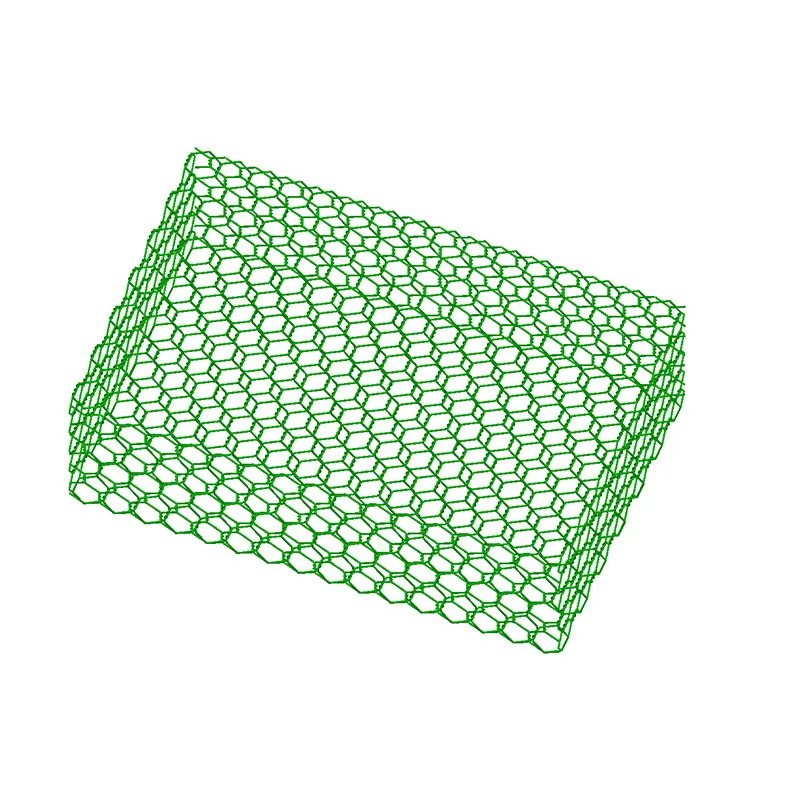
Figure 3: Quality inspection of Gabion Net mesh before packaging.
Conclusion
The Gabion Net is more than just a wire mesh product; it is a meticulously engineered solution that offers unparalleled advantages in flexibility, permeability, durability, and environmental compatibility. From critical infrastructure projects to sensitive ecological restoration, its application continues to expand, driven by its robust performance and sustainable attributes. As a leading provider, we are committed to delivering high-quality gabion solutions, backed by rigorous manufacturing standards, comprehensive technical support, and a steadfast dedication to client success.
References
- ASTM International. (1997). ASTM A975-97: Standard Specification for Double-Twisted Hexagonal Mesh Gabions and Revet Mattresses.
- European Committee for Standardization. (2012). EN 10223-3: Steel wire and wire products for fencing and netting - Hexagonal steel wire netting for civil engineering purposes.
- Institution of Civil Engineers. (2018). Gabion retaining structures: design and construction. Thomas Telford Publishing.
- Maccaferri. (2020). Gabion Structure Design Manual. Retrieved from Maccaferri Technical Library.
- US Army Corps of Engineers. (2002). EM 1110-2-1601: Hydraulic Design of Flood Control Channels.