Industry Trends and Market Dynamics for Advanced Metal Screens
The global market for advanced metal screens, including those specifically designed for windows, is experiencing robust growth driven by increasing demand for enhanced security, durability, and aesthetic appeal in both residential and commercial applications. Innovations in material science and manufacturing processes are constantly expanding the capabilities and application scope of these essential components. As infrastructure development continues worldwide, particularly in urban centers and industrial zones, the need for reliable and high-performance screening solutions intensifies. The demand for products like Metal Window Screen is further bolstered by a rising focus on energy efficiency, pest control, and protection against increasingly severe weather patterns.
According to recent industry analyses, the global market for wire mesh, a category encompassing metal window screens, is projected to reach approximately USD 150 billion by 2027, growing at a CAGR of over 4.5% from 2022 to 2027. Key drivers include the construction industry boom, stringent safety regulations, and the adoption of advanced materials like stainless steel and aluminum alloys offering superior corrosion resistance and longevity. B2B decision-makers in sectors such as architecture, construction, petrochemical, and security are increasingly prioritizing screens that offer a blend of technical prowess and cost-effectiveness over their operational lifespan.
Manufacturing Process Flow for Metal Window Screens
The production of a high-quality Metal Window Screen involves a meticulously controlled process to ensure optimal performance, durability, and adherence to precise specifications. Our manufacturing workflow emphasizes precision, material integrity, and rigorous quality assurance at every stage.
Process Steps:
-
Material Selection: We primarily utilize high-grade materials such as SS304, SS316, galvanized steel, and aluminum alloys. Selection is based on specific application requirements, balancing factors like corrosion resistance, tensile strength, and cost-effectiveness. All materials conform to ASTM and EN standards for chemical composition and mechanical properties.
-
Wire Drawing: Raw material coils undergo precise wire drawing to achieve the specified wire diameter. This process is critical for controlling mesh aperture, overall screen strength, and visual clarity. Advanced drawing machines ensure uniformity and surface finish.
-
Weaving/Knitting: The drawn wires are then fed into automated weaving looms or knitting machines. Common weaving patterns include plain weave, twill weave, and Dutch weave, each offering distinct properties for filtration, strength, and airflow. Precision looms ensure consistent mesh count and aperture, vital for performance.
-
Flattening and Finishing: After weaving, the mesh may undergo flattening to improve rigidity and visual appearance. This is followed by edge treatment (e.g., selvage edges, crimping) and cleaning to remove any lubricants or debris.
-
Cutting and Fabrication: Large rolls of screen are cut into specified dimensions using CNC machining, ensuring high accuracy and minimal material waste. Further fabrication, such as framing or special fittings, is performed according to customer designs.
-
Surface Treatment (Optional): Depending on the application, screens may receive additional surface treatments such as powder coating, PVC coating, or electropolishing to enhance corrosion resistance, UV stability, or aesthetics.
-
Quality Control and Testing: Every batch undergoes rigorous testing. This includes mesh count verification, wire diameter measurement, tensile strength tests (ASTM E8), corrosion resistance tests (salt spray per ASTM B117), and visual inspection for defects. Our quality management system is ISO 9001:2015 certified, ensuring adherence to global benchmarks.
-
Packaging and Dispatch: Finished screens are carefully packaged to prevent damage during transit, ensuring they arrive at the client's site in pristine condition.
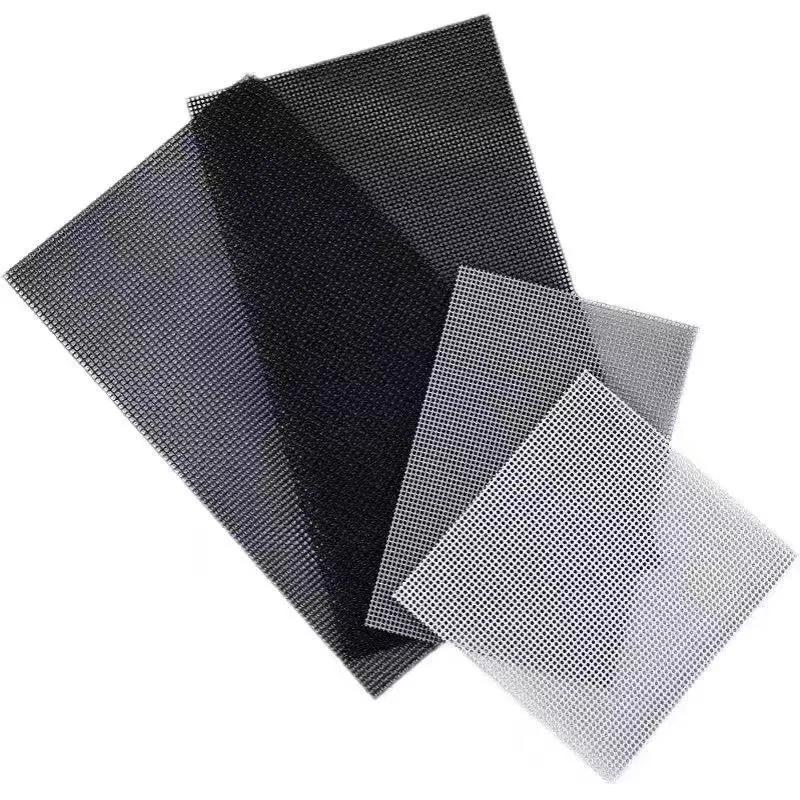
Our Metal Window Screen products are engineered for a service life exceeding 15 years under typical environmental conditions, with specialized alloys offering even longer durability in harsh environments. Target industries include petrochemical (for robust filtration and security), metallurgy (high-temperature resistance), and water supply & drainage (corrosion resistance and fine filtration). In typical application scenarios, such as industrial facilities, these screens demonstrate significant advantages in energy saving by allowing optimal natural ventilation and reducing reliance on HVAC systems, alongside superior corrosion resistance against industrial pollutants.
Technical Specifications and Parameters
Understanding the precise technical parameters of a Metal Window Screen is paramount for B2B buyers to ensure optimal performance for their specific application. Key specifications include material composition, wire diameter, mesh count, and open area percentage, which collectively dictate the screen's strength, airflow, and filtration capabilities.
Typical Product Specification Table: Stainless Steel 304 Window Screen
| Parameter |
Specification |
Standard/Test Method |
| Material Grade |
Stainless Steel 304 (UNS S30400) |
ASTM A240 / EN 10088-2 |
| Wire Diameter |
0.20 mm - 0.35 mm (0.008" - 0.014") |
ISO 2231 / ASTM E2016 |
| Mesh Count (per inch) |
14 x 14 to 30 x 30 |
ISO 9044 / ASTM E2016 |
| Aperture Size |
0.50 mm - 1.60 mm |
Calculated |
| Open Area Percentage |
40% - 60% |
Calculated |
| Tensile Strength |
520-720 MPa (Typical Wire) |
ASTM E8 |
| Corrosion Resistance |
Excellent in atmospheric conditions |
ASTM B117 (Salt Spray) |
| Weave Pattern |
Plain Weave / Twill Weave |
Visual Inspection |
Note: Specific parameters can be customized to meet unique project requirements. Data represents typical values and may vary based on exact manufacturing processes and material batches.
Versatile Application Scenarios
The adaptability and robust performance of a Metal Window Screen make it indispensable across a wide array of industrial, commercial, and even high-end residential applications. Its primary function extends beyond simple insect protection, encompassing security, ventilation, and specialized filtration requirements.
- Architectural & Construction: Used in modern buildings for durable window and door screens, balcony enclosures, and decorative facade elements. Provides excellent natural ventilation while preventing insect ingress and enhancing security.
- Security & Anti-Theft: High-tensile stainless steel screens offer a formidable barrier against intruders, suitable for banks, government buildings, and residential properties requiring enhanced security without compromising visibility.
- Industrial Facilities: In factories, workshops, and warehouses, metal screens protect against debris, birds, and insects while maintaining airflow. Critical in environments like food processing, pharmaceuticals, and electronics manufacturing where cleanliness is paramount.
- Petrochemical & Chemical Plants: Specialized alloys like SS316 are used for screens in these harsh environments, resisting corrosion from chemical fumes and saltwater spray, ensuring long-term operational integrity.
- Mining & Metallurgy: Employed in screening and separation processes for aggregates, as protective barriers around machinery, and for ventilation in dusty, abrasive conditions.
- Agricultural & Fisheries: Used in pest control for greenhouses, ventilation for livestock enclosures, and sometimes in aquaculture for water filtration.
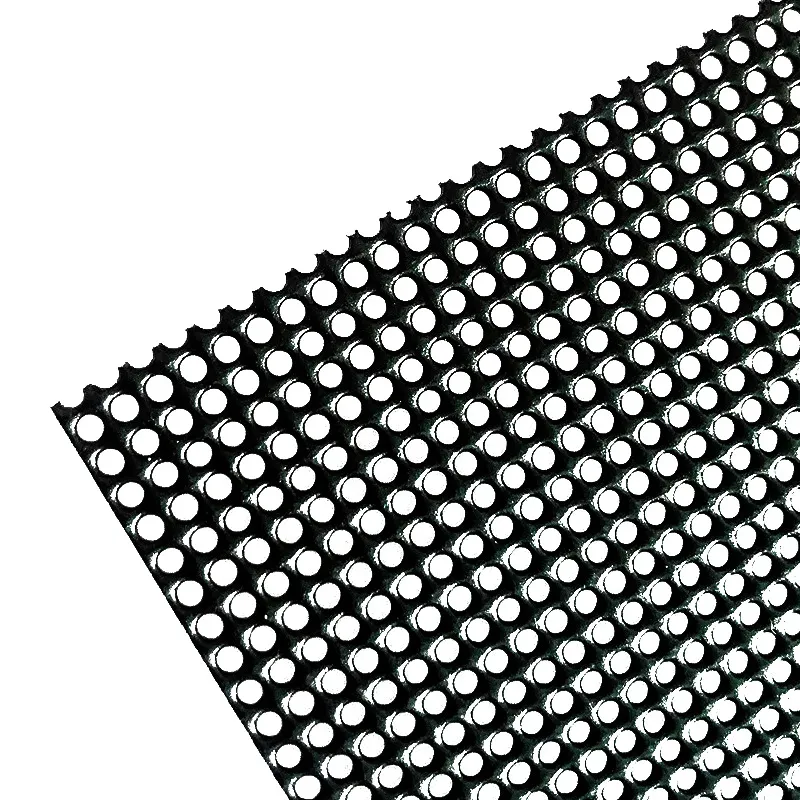
A prime example of experience in action is our supply of robust stainless steel Metal Window Screen to a large-scale agricultural complex in arid regions. The screens not only provided superior insect control, vital for crop protection, but also offered exceptional UV stability and dust filtration, significantly extending the lifespan of the facility's ventilation systems and reducing maintenance costs, while maintaining critical airflow for environmental control.
Key Technical Advantages
Investing in a high-quality Metal Window Screen yields numerous long-term benefits for B2B applications, far surpassing conventional screening materials. These advantages are rooted in the inherent properties of metals and advanced manufacturing techniques.
- Superior Durability and Longevity: Unlike plastic or fiberglass alternatives, metal screens, especially those made from stainless steel or galvanized steel, resist tearing, sagging, and impact damage. This translates to significantly longer service life, reducing replacement frequency and maintenance costs.
- Exceptional Corrosion Resistance: Materials like SS316 offer outstanding resistance to rust, oxidation, and chemical corrosion, making them ideal for coastal environments, industrial settings with chemical exposure, and applications requiring frequent wash-downs.
- Enhanced Security and Protection: High-tensile stainless steel screens provide an excellent deterrent against forced entry, offering a crucial layer of security for commercial and industrial premises. They can also withstand impacts from debris, pets, and even small projectiles.
- Optimal Airflow and Ventilation: Precision weaving ensures consistent mesh aperture, allowing for maximum natural airflow and light transmission. This promotes energy efficiency by reducing reliance on air conditioning and improving indoor air quality.
- Fire Resistance: Metal screens are inherently non-combustible, providing an additional safety feature, particularly relevant for industrial buildings and high-rise structures where fire safety is paramount.
- Low Maintenance: Their smooth surface finish and robust material properties make metal screens easy to clean and maintain, resisting dirt build-up and requiring only occasional washing to restore their appearance and functionality.
Vendor Comparison: Evaluating Metal Window Screen Suppliers
Selecting the right supplier for a Metal Window Screen is a critical decision for B2B procurement, impacting product quality, delivery timelines, and long-term cost of ownership. A thorough evaluation should consider not just the product specifications, but also the vendor's manufacturing capabilities, quality assurance, and after-sales support.
Comparative Analysis of Metal Screen Vendors:
| Feature/Criterion |
Jinzehong Wire Mesh (Our Offer) |
Competitor A (Mass Market) |
Competitor B (Niche Premium) |
| Material Quality & Certifications |
ISO 9001:2015, ASTM/EN standards, traceable mill certificates |
Basic material tests, limited traceability |
Proprietary alloys, extensive certifications |
| Customization Capability |
Extensive: mesh, wire, material, dimensions, coating, framing |
Limited standard sizes and materials |
Moderate, focused on niche applications |
| Manufacturing Precision |
Advanced CNC weaving, micron-level control |
Standard looms, wider tolerances |
Very high, often for specialized filtration |
| Lead Time (Standard Orders) |
2-4 weeks (stock materials) |
3-6 weeks |
4-8 weeks (custom production) |
| Warranty & Support |
5-10 year material/workmanship warranty, dedicated support |
1-3 year limited warranty, basic support |
Extensive, often project-specific warranties |
| Pricing Strategy |
Competitive, value-driven for quality and customization |
Low-cost, volume-based |
Premium pricing for specialized features |
Our company, Jinzehong Wire Mesh, stands out by offering a compelling balance of high-quality materials, advanced manufacturing, comprehensive customization, and strong customer support. With over 20 years of experience in the wire mesh industry, we have supplied critical components to numerous renowned clients globally, validating our commitment to excellence and reliability.
Customized Solutions for Unique Requirements
Recognizing that off-the-shelf solutions rarely fit every B2B requirement perfectly, we specialize in providing bespoke Metal Window Screen solutions. Our engineering team collaborates closely with clients to develop screens that precisely match their project specifications, environmental challenges, and performance criteria.
- Material Customization: Beyond standard SS304 and SS316, we offer screens in various alloys including Monel, Inconel, and various grades of aluminum for specialized corrosion, temperature, or strength requirements.
- Mesh Configuration: Wire diameter, mesh count, and weave patterns (e.g., plain, twill, Dutch, crimped) can be precisely tailored to achieve specific open area percentages, filtration levels, or aesthetic effects.
- Dimensions and Fabrication: Screens can be manufactured in virtually any size or shape, from small filters to large architectural panels. We offer custom cutting, bending, welding, and framing services to deliver ready-to-install components.
- Surface Treatments: Custom color powder coating for aesthetic integration, PVC coating for additional corrosion resistance and UV protection, or electropolishing for enhanced hygiene and reduced surface roughness.
- Performance Engineering: For applications demanding specific performance metrics, such as enhanced ballistic resistance or precise particulate filtration, our experts can engineer screens to meet or exceed relevant industry standards.
This bespoke approach ensures that clients receive not just a product, but a precision-engineered solution that integrates seamlessly into their operations and delivers maximum value.
Application Case Studies: Real-World Performance
Our commitment to quality and engineering excellence is best demonstrated through the successful deployment of our Metal Window Screen products in demanding environments. These case studies highlight the tangible benefits our solutions bring to complex B2B projects.
Case Study 1: Coastal Industrial Facility
Client: Major petrochemical refinery on the Persian Gulf coast.
Challenge: Existing screens were rapidly corroding due to high salinity and airborne chemical particulates, leading to frequent replacements, high maintenance costs, and compromised security against bird ingress.
Solution: We supplied custom-fabricated 20x20 mesh, 0.28mm wire diameter Metal Window Screen made from marine-grade SS316L, electropolished for enhanced passivation. The screens were integrated into existing heavy-duty aluminum frames, supplied with specialized corrosion-resistant fasteners.
Results: After three years of deployment, the screens show no signs of corrosion or degradation. The refinery reported a 75% reduction in screen-related maintenance costs and a significant improvement in air quality within operational buildings due to consistent ventilation. The enhanced durability ensured continuous security and operational efficiency.
Case Study 2: High-Security Data Center
Client: Global tech company's new data center in a metropolitan area.
Challenge: The data center required highly secure ventilation points that could withstand forced entry attempts while maintaining precise environmental control and airflow for cooling systems. Traditional screens were deemed insufficient.
Solution: We engineered and supplied heavy-gauge, high-tensile 12x12 mesh Metal Window Screen made from hardened stainless steel with a specialized interlocking weave pattern. These were pre-framed and integrated with blast-resistant frames, passing rigorous impact and penetration tests simulating intrusion attempts.
Results: The custom security screens provided an impenetrable barrier, certified to relevant security standards, without impeding the critical airflow required for the data center's server racks. This solution provided a crucial balance between security and environmental control, earning high commendation from the client's security engineering team.
Frequently Asked Questions (FAQ)
Q1: What materials are available for your Metal Window Screen products?
A1: We primarily offer Stainless Steel (SS304, SS316, SS316L), Galvanized Steel, and Aluminum alloys. Specialized materials like Monel or Inconel are available upon request for specific high-performance applications.
Q2: How do I determine the correct mesh count and wire diameter for my application?
A2: The optimal mesh count and wire diameter depend on your specific needs, such as required airflow, insect exclusion size, security level, and desired visibility. Our technical sales team can provide expert consultation based on your project parameters.
Q3: Can your Metal Window Screens be customized to unique dimensions or shapes?
A3: Absolutely. Customization is a core offering. We can produce screens in virtually any dimension or shape, including complex geometries, and provide various edge treatments or pre-fabricated frames.
Q4: What is the expected lifespan of a Metal Window Screen?
A4: Our screens are designed for exceptional longevity. High-grade stainless steel screens typically last 15-20 years or more in standard atmospheric conditions, while galvanized or aluminum screens offer 10-15 years, with specific performance varying by material and environmental exposure.
Q5: Are your screens compliant with international quality and safety standards?
A5: Yes, our manufacturing processes are ISO 9001:2015 certified, and our materials and products adhere to relevant ASTM, EN, and other international standards. Specific test reports and material certifications can be provided upon request.
Lead Time, Warranty, and Customer Support
We understand that for B2B procurement, predictability and reliability are paramount. Our operational policies are structured to provide transparency and assurance to our clients.
Lead Time & Fulfillment:
Standard orders for common Metal Window Screen configurations typically have a lead time of 2-4 weeks from order confirmation to dispatch, depending on volume. Custom orders or those involving specialized materials may require 4-8 weeks. We maintain robust inventory levels for primary raw materials to minimize delays and utilize efficient logistics partners for global delivery, providing real-time tracking for all shipments.
Warranty Commitments:
We stand by the quality of our products with a comprehensive warranty program. All Metal Window Screen products come with a minimum 5-year warranty against manufacturing defects and material failures under normal operating conditions. For premium stainless steel grades and specialized coatings, this warranty extends to 10 years. Full warranty terms and conditions are provided with every quote.
Dedicated Customer Support:
Our commitment extends beyond delivery. We offer dedicated after-sales support, including technical assistance for installation, maintenance guidance, and prompt resolution of any product-related inquiries. Our team of experts is available via phone and email during business hours to ensure continuous operational efficiency for your projects.
Conclusion & Authoritative References
The strategic integration of high-quality metal window screens is not merely a functional necessity but a critical investment in the long-term integrity, security, and operational efficiency of B2B infrastructure. Our expertise in materials, precision manufacturing, and tailored solutions positions us as a trusted partner for industries demanding superior performance and reliability.
References:
- ASTM International. (2023). Standard Specifications for Stainless Steel Wire Rods, Bars, and Wires. ASTM A580/A580M.
- International Organization for Standardization. (2022). Industrial woven wire cloth — Technical requirements and testing. ISO 9044:2022.
- European Committee for Standardization. (2021). Stainless steels — Part 2: Technical delivery conditions for sheet/plate and strip of corrosion resisting steels for general purposes. EN 10088-2:2021.
- NACE International. (2020). Corrosion Engineer's Reference Book. Fourth Edition.
- MarketsandMarkets. (2022). Wire Mesh Market - Global Forecast to 2027. Industry Report.