27 Jan 2026
When securing properties or perimeters, razor wire on a fence is a highly effective deterrent. This article provides a detailed overview of razor wire, its types, applications, installation, and safety considerations. Understanding the nuances of razor wire is crucial for maximizing security and ensuring compliance with local regulations. We'll explore how to choose the right type of wire for your needs and best practices for safe handling and installation.
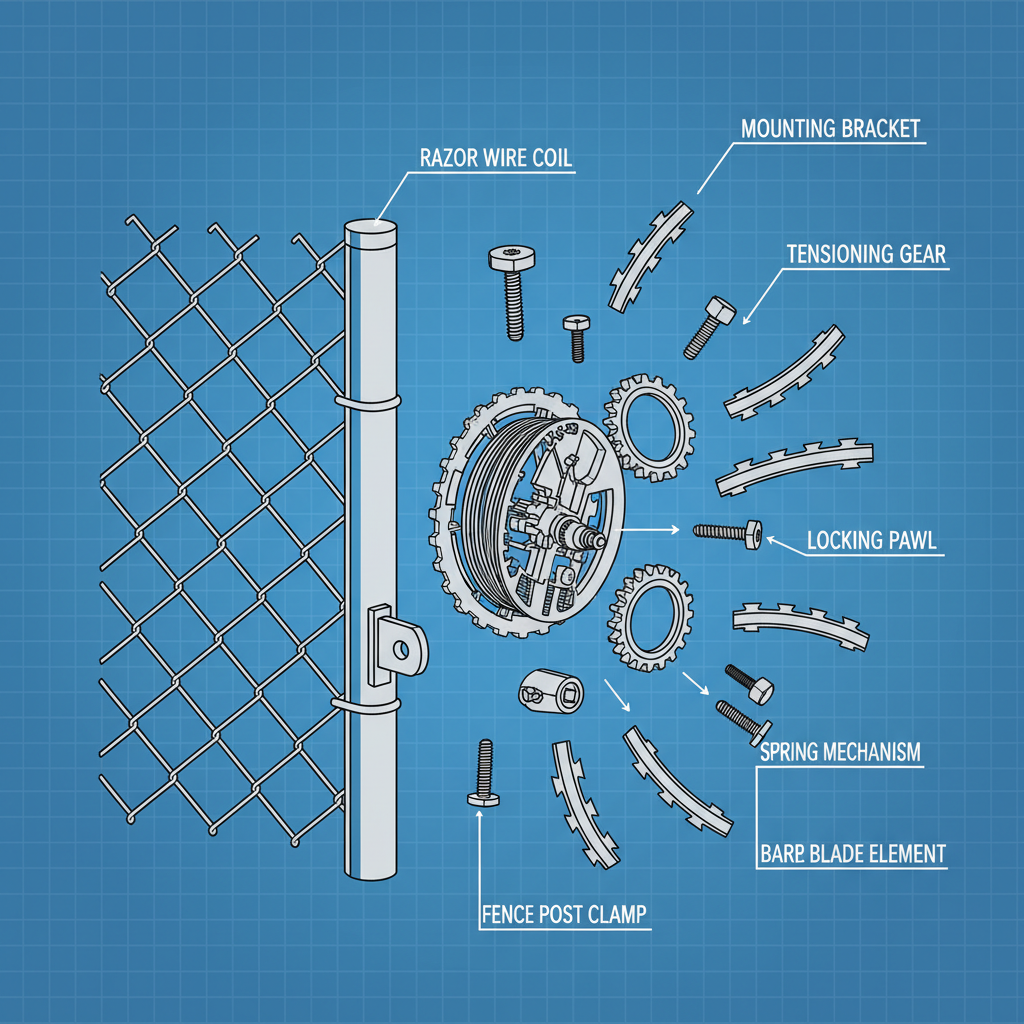
Razor wire isn’t one-size-fits-all. It comes in various types, each with specific characteristics suited to different security needs. The most common types include single coil razor wire, twisted blade razor wire, and flat wrap razor wire. Single coil wire consists of a single strand of barbed tape wound into a coil. Twisted blade wire combines two strands twisted together for increased security. Flat wrap wire is typically used on top of chain-link fences and is easier to install. Choosing the right type depends on the level of security required, the fence type, and budget considerations. Jinzehong Wiremesh offers a complete range of these options to meet diverse security requirements.
Key Highlights: Razor wire is a cost-effective and highly visible security measure offering a significant deterrent to potential intruders. Proper installation and adherence to safety guidelines are critical.
The applications of razor wire are extensive, ranging from residential properties to high-security facilities. Common uses include perimeter security for industrial complexes, correctional facilities, military bases, airports, and data centers. It is also frequently used on top of existing fences to enhance their security. For residential properties, it can be used to secure gardens, yards, and outbuildings. The highly visible nature of razor wire acts as a significant deterrent, discouraging trespassers and protecting assets.
Benefits of Using Razor Wire:
• Effective deterrent against intruders
• Relatively low cost compared to other security systems
• Versatile and adaptable to various fence types
• Highly visible, providing a clear warning
Installing razor wire requires careful planning and execution. Different installation methods exist, depending on the fence type and desired level of security. Common methods include clipping it directly to chain-link fence fabric, attaching it to fence posts using clips or brackets, and wrapping it around the top of the fence. The choice of method influences the overall security and aesthetics. Professional installation is often recommended to ensure proper tensioning and secure attachment.
Handling razor wire demands strict adherence to safety protocols. Always wear heavy-duty gloves, long sleeves, and eye protection to prevent cuts and abrasions. Avoid touching the wire directly. Use appropriate tools for cutting and handling. Be mindful of your surroundings and ensure a safe working area. Proper disposal of scrap wire is also crucial to prevent accidental injuries.
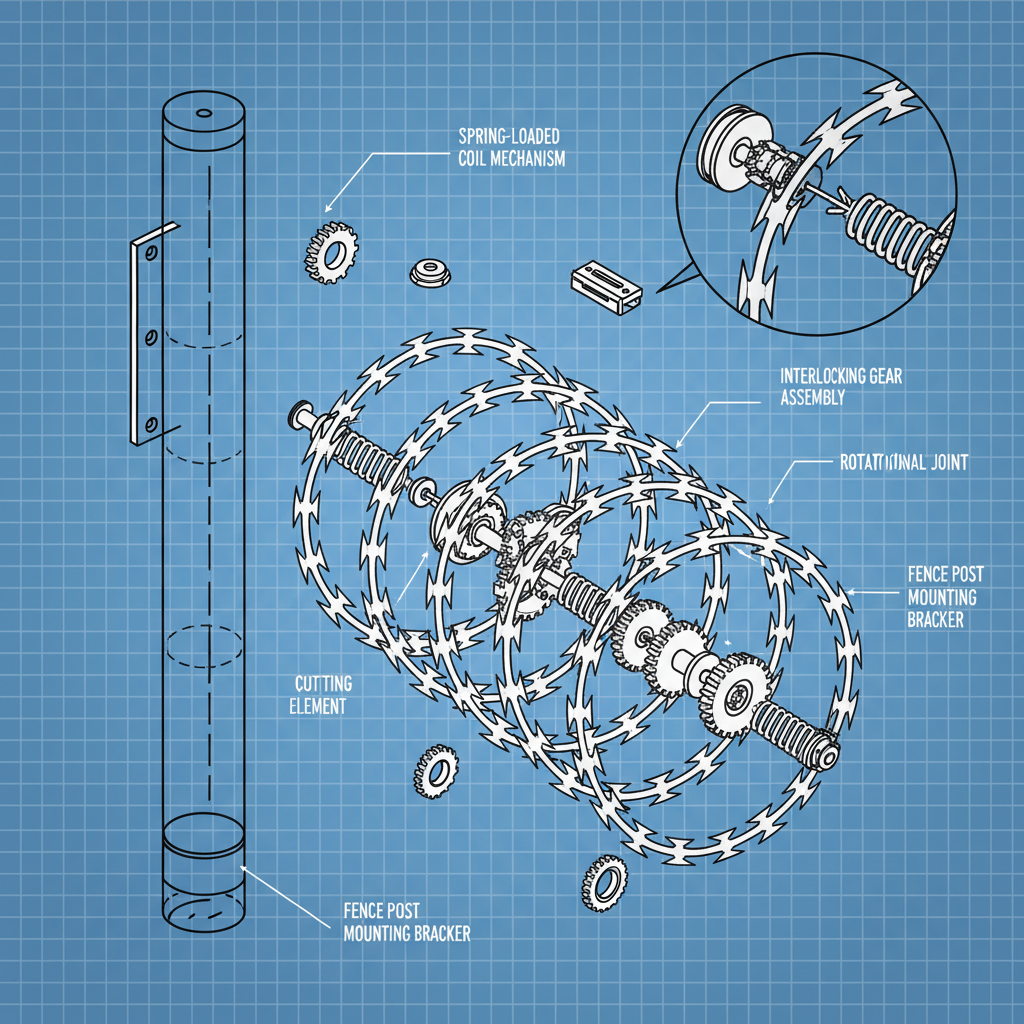
Selecting the appropriate razor wire depends on your security requirements and the existing fence infrastructure. Key specifications to consider include wire gauge (thickness), barb spacing, coil diameter, and material (galvanized steel, stainless steel, or PVC-coated). Jinzehong Wiremesh provides detailed product specifications and expert guidance to help you choose the optimal wire for your needs.
Razor wire is a powerful and cost-effective security solution when properly selected and installed. Understanding the different types, installation methods, and safety considerations is crucial for maximizing its effectiveness. Jinzehong Wiremesh is a trusted provider of high-quality razor wire and expert advice to help you protect your property. Don’t compromise on security – choose the right wire and install it safely.
The lifespan of razor wire depends heavily on the material it's made from and the environment it’s exposed to. Galvanized steel wire typically lasts 5-10 years, while stainless steel can last 20 years or more. PVC-coated wire offers enhanced protection against corrosion, extending its lifespan. Regular inspection is essential to identify and address any damage or corrosion, ensuring the wire continues to provide effective security. Factors like salt air, industrial pollutants, and harsh weather conditions can accelerate corrosion and reduce the lifespan.
Yes, razor wire installation is often subject to local regulations and ordinances. These regulations may govern the height of the fence, the type of wire allowed, setbacks from property lines, and signage requirements. It’s crucial to check with your local authorities before installing razor wire to ensure compliance and avoid potential legal issues. Some jurisdictions may require permits or have restrictions on visibility or proximity to public areas.
While razor wire is a highly effective deterrent, alternative options include chain-link fencing with barbed wire, electric fences, security cameras, motion sensors, and security lighting. The best choice depends on the specific security needs, budget, and the environment. Combining multiple security measures often provides the most comprehensive protection. Consider the level of risk, the value of the assets being protected, and the potential consequences of a security breach when evaluating alternatives.
Razor wire should be inspected at least twice a year, or more frequently in harsh environments. Look for signs of corrosion, cuts, breaks, or loose attachments. Also, check the supporting fence for damage or weakness. Addressing any issues promptly is crucial to maintain the security effectiveness of the wire. Regular maintenance ensures the wire remains a strong deterrent and minimizes the risk of breaches.
Hit enter to search or ESC to close