In a world where industrial, architectural, and commercial sectors demand precision, strength, and adaptability, wire mesh for sale stands out as a material that balances structure with performance. From protective fencing to filtration, from interior décor to heavy-duty reinforcement, wire mesh serves a multitude of roles. With evolving manufacturing techniques and expanding global distribution, understanding the different types of wire mesh, material choices, and use cases has become essential for businesses looking to optimize durability and cost-efficiency.
Diverse Types of Wire Mesh for Modern Applications
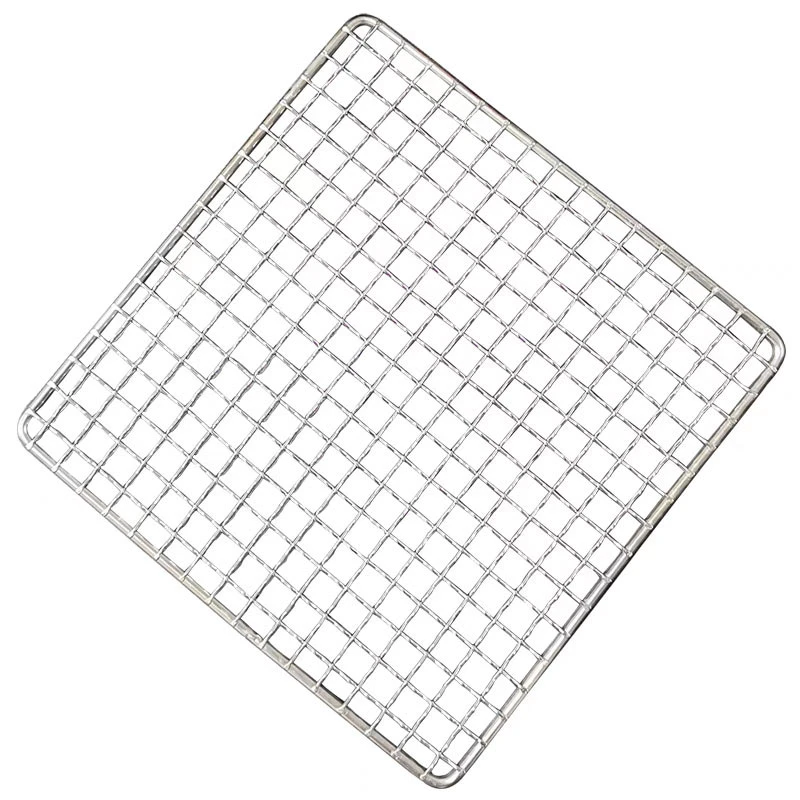
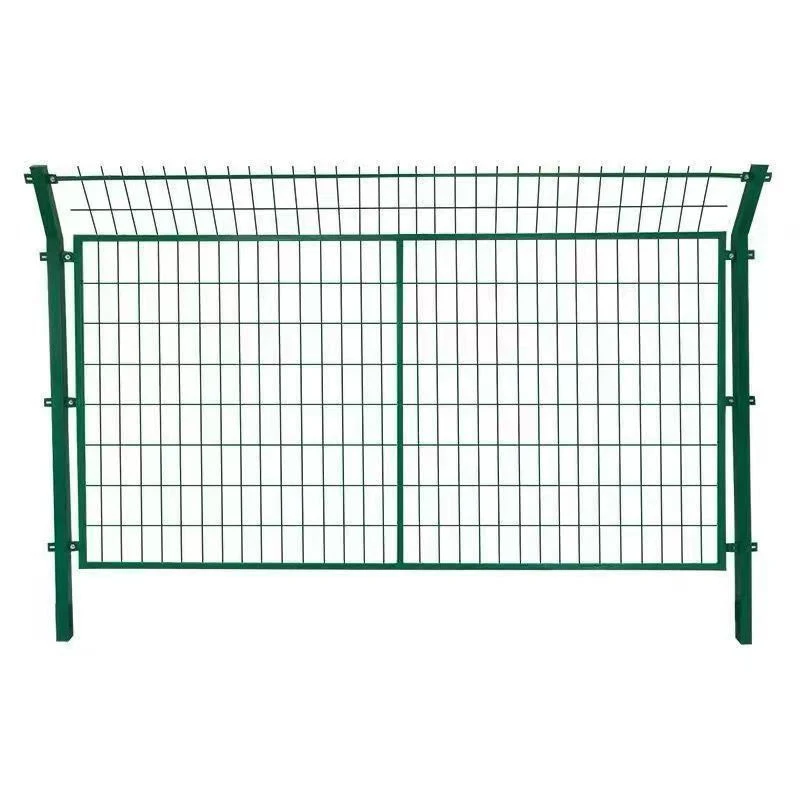
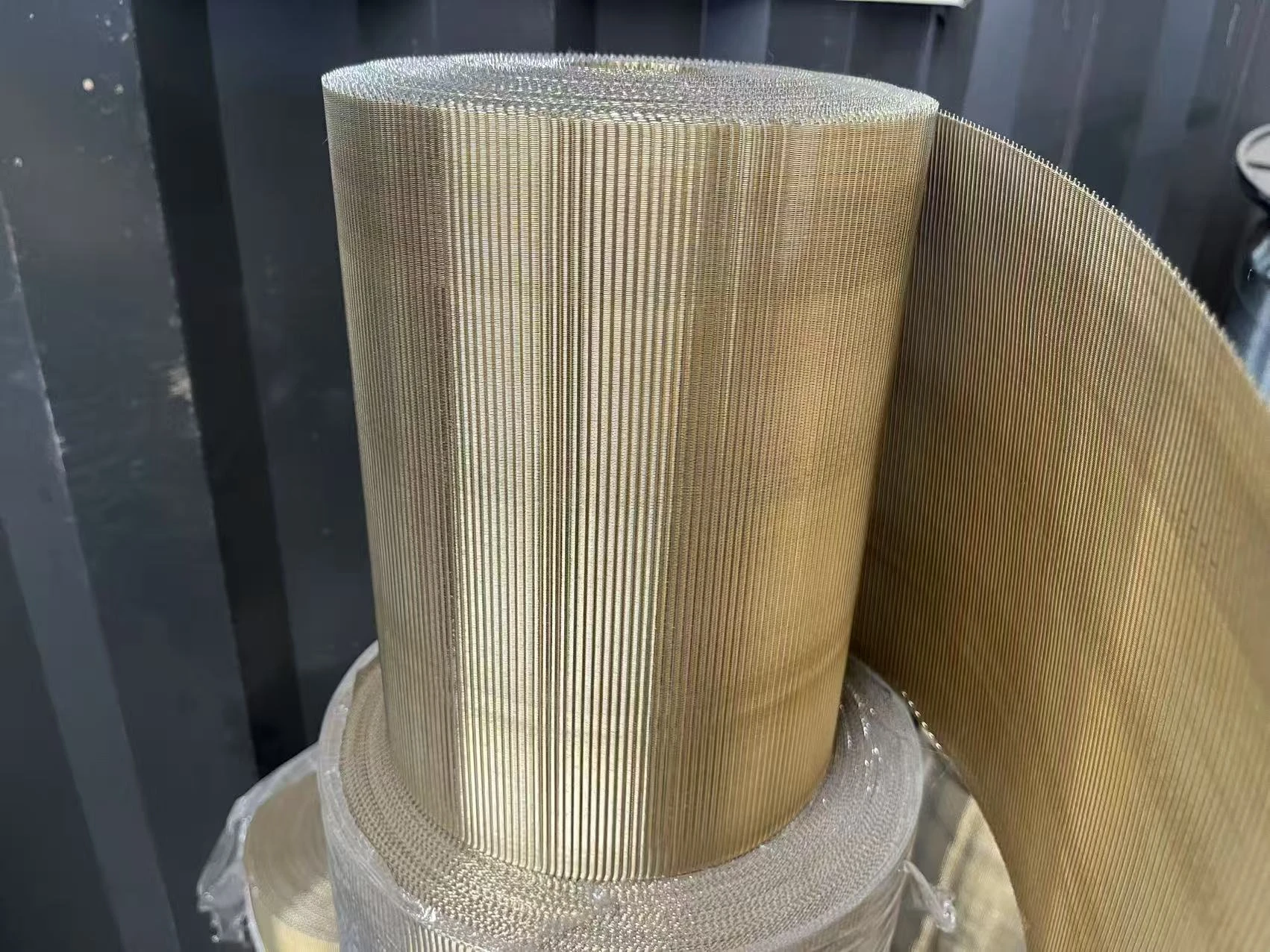
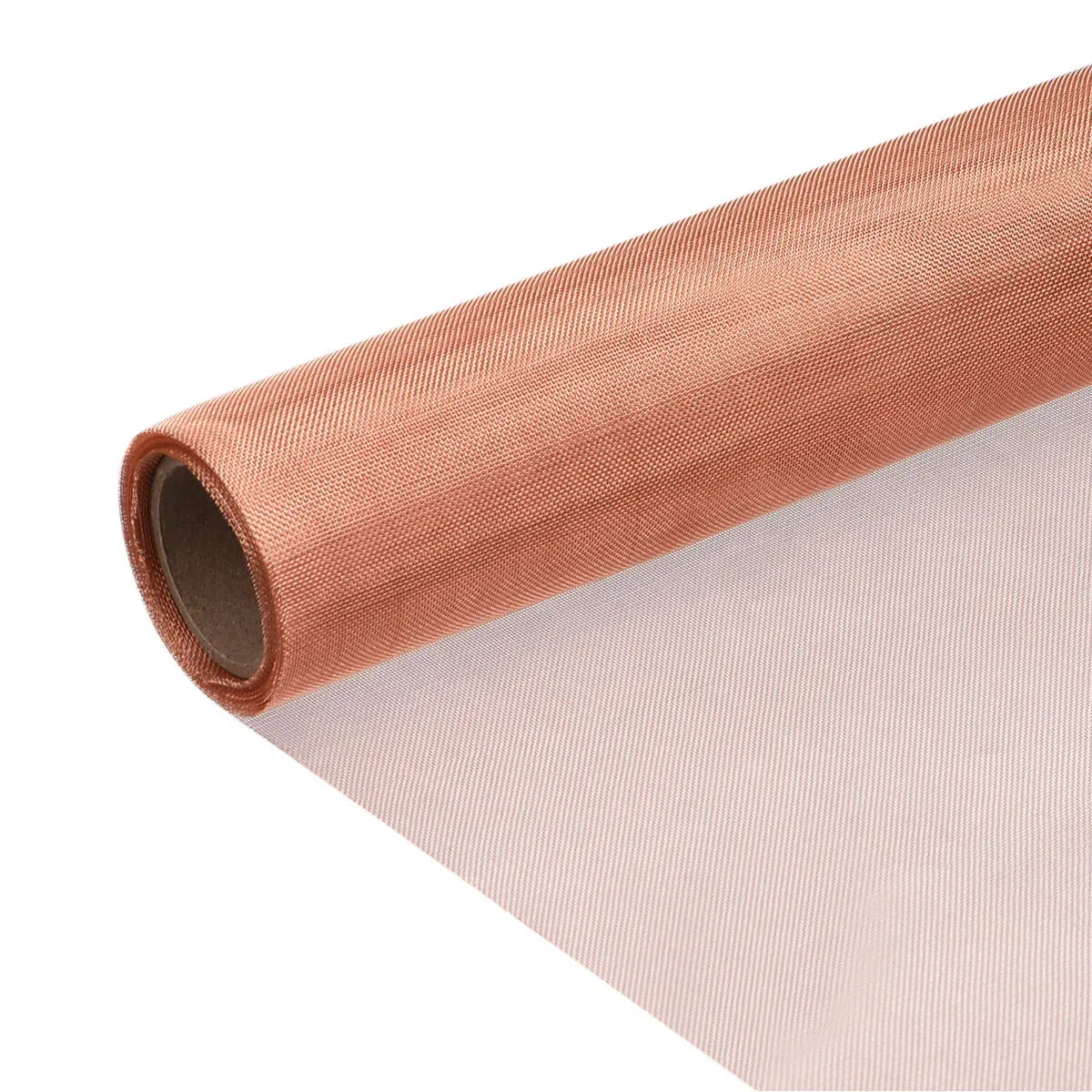
The strength of wire mesh lies in its diversity. Among the most widely used types of wire mesh are welded mesh, woven mesh, expanded metal mesh, and perforated metal sheets. Welded mesh features wires joined at right angles via welding and is frequently used in concrete reinforcement, cages, partitions, and infrastructure fencing. Woven mesh, on the other hand, is created by interlacing wires in various weave patterns and is used for sieving, screening, and filtering.
Expanded mesh and perforated mesh serve specialized functions in industrial settings, walkways, or architectural facades. All these formats fall under the broader classification of types of metal mesh, encompassing varying wire diameters, aperture sizes, and materials such as stainless steel, copper, aluminum, or galvanized iron.
These different types of metal mesh can be customized according to strength requirements, environmental exposure, and aesthetic preferences. For example, stainless steel woven mesh is ideal for chemical processing plants, while galvanized welded mesh offers a cost-effective solution for agricultural fencing. The right choice among the types of wire mesh ensures operational efficiency, extended product life, and compliance with safety standards.
Why Metal Mesh Is More Than Just a Grid
The term metal mesh covers a wide range of products made by weaving, welding, or expanding metal wires or sheets. Its primary appeal lies in its structural flexibility—able to provide either rigidity or pliability based on the intended application. In industrial use, metal mesh can withstand high pressures and temperatures, making it indispensable in mining, oil extraction, and heavy manufacturing.
In construction, metal mesh is integral to concrete reinforcement, facade cladding, ceiling panels, and column enclosures. In agriculture, it serves as fencing, animal cages, and protective barriers against pests. In interior design, decorative metal mesh is used for partitions, ceiling installations, and lighting design.
What sets metal mesh apart is not just its durability but its potential for precision engineering. From micro-mesh used in electronics and air filtration to thick-gauge mesh used in security panels or grating, metal mesh can be manufactured to meet exact tolerances and load requirements. As industries demand smarter material integration, metal mesh continues to offer reliable solutions that bridge functionality with form.
Wire Mesh for Sale and the Importance of Sourcing the Right Supplier
Global demand for wire mesh for sale has risen sharply with the growth of infrastructure development, industrial expansion, and customized architectural projects. However, finding the right supplier is crucial. The ideal partner offers not only an extensive product range but also technical expertise and customization capabilities.
In regions like Anping County in China—renowned as a global hub for wire mesh production—manufacturers offer end-to-end services. Clients can specify mesh size, material, coating type, and packaging. When sourcing wire mesh for sale, buyers should assess quality certifications, production capacity, and export capabilities. A reliable supplier can accommodate both high-volume orders and precision-demanding small batches, supported by consistent inventory and timely logistics.
Bulk orders often allow favorable pricing, especially when purchasing multiple types of wire mesh across projects. Suppliers may also offer stock availability, discounts on high-frequency orders, or bundled customization services for specific industries such as petrochemicals, construction, or agriculture.
How Metal Screen Solutions Fit into Modern Design and Utility
A metal screen is a specialized form of wire mesh designed for both functional and visual purposes. Unlike structural mesh used for load-bearing or heavy-duty protection, a metal screen is often thinner, with finer apertures. It plays a key role in air filtration systems, ventilation grilles, insect screens, and even acoustic paneling.
In architectural design, metal screen materials are used in curtain walls, sunshades, interior partitions, and ceilings. Their ability to reflect light, reduce heat gain, and allow partial visibility makes them popular in modern facades. In industrial settings, metal screen is used in air intake systems, exhaust outlets, and protective casings for machinery and electronics.
Customization is key when selecting a metal screen. Clients can choose between round, square, or slotted perforations; woven or etched finishes; and powder-coated or anodized surfaces. Whether for airflow control, visual aesthetics, or mechanical protection, a metal screen is a smart choice for environments that demand subtle design and dependable function.
Wire Mesh for Sale FAQs
What are the most commonly used types of wire mesh for industrial and commercial applications?
The most popular types of wire mesh include welded mesh for reinforcement and fencing, woven mesh for filtration and sieving, and expanded metal mesh for platforms and grating. Each type offers different mechanical properties, allowing users to choose according to strength, flexibility, and application environment.
How do I choose between different types of metal mesh?
Choosing the right types of metal mesh depends on your operational needs. For corrosion resistance, stainless steel is ideal. For cost efficiency in large enclosures, galvanized iron may be more appropriate. Mesh density, wire gauge, and intended use should all factor into your decision.
What should I look for when sourcing wire mesh for sale?
When purchasing wire mesh for sale, look for a supplier with strong production capabilities, customizable options, quality certifications, and export experience. Consider whether they can offer the mesh format, material, and finish suitable for your industry, whether it's construction, agriculture, or design.
Where is metal mesh most commonly used in modern architecture?
Metal mesh is widely used in facade cladding, stair balustrades, sunshades, and interior partitions. Its ability to combine visual texture with practical ventilation and light filtering makes it highly valued by architects and designers alike.
What’s the difference between metal mesh and a metal screen?
While both are related, metal mesh is a broader term covering a range of woven, welded, or expanded wire structures, often used for strength or reinforcement. A metal screen, on the other hand, usually refers to finer mesh used in applications where visibility, airflow, or filtration is critical, such as in HVAC or design panels.