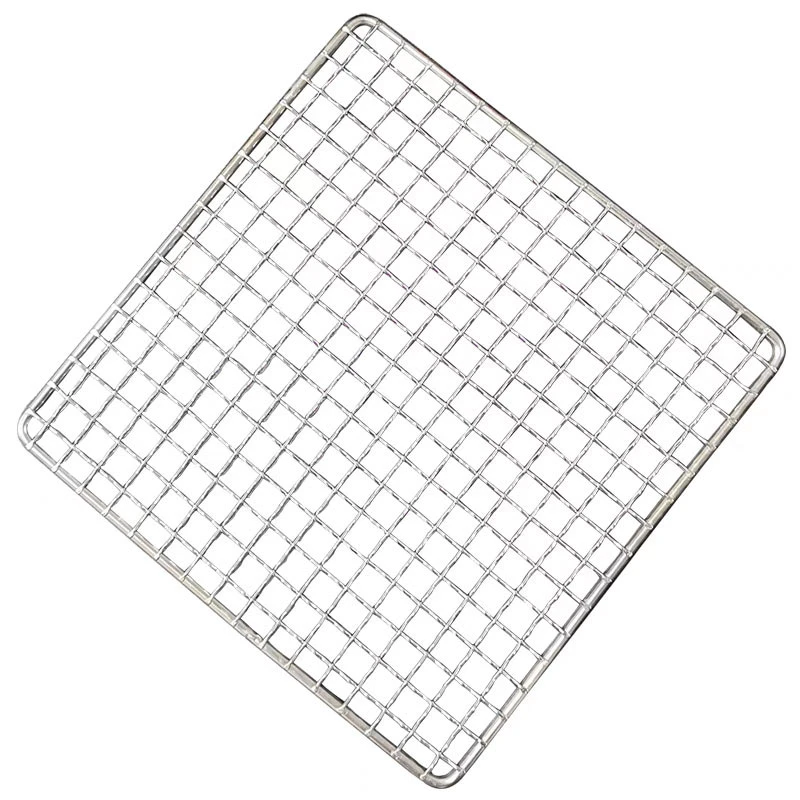
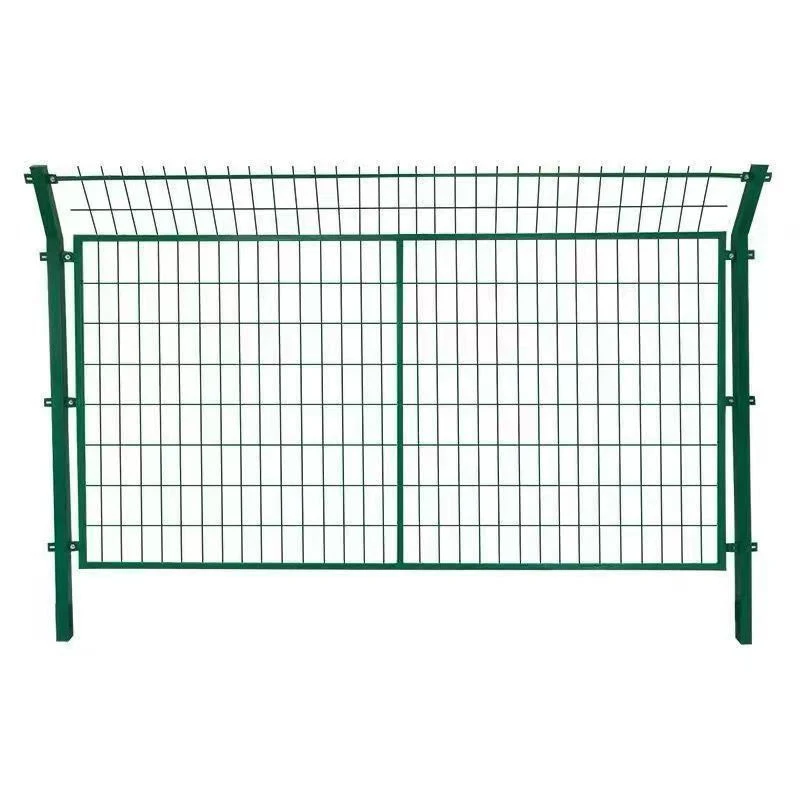
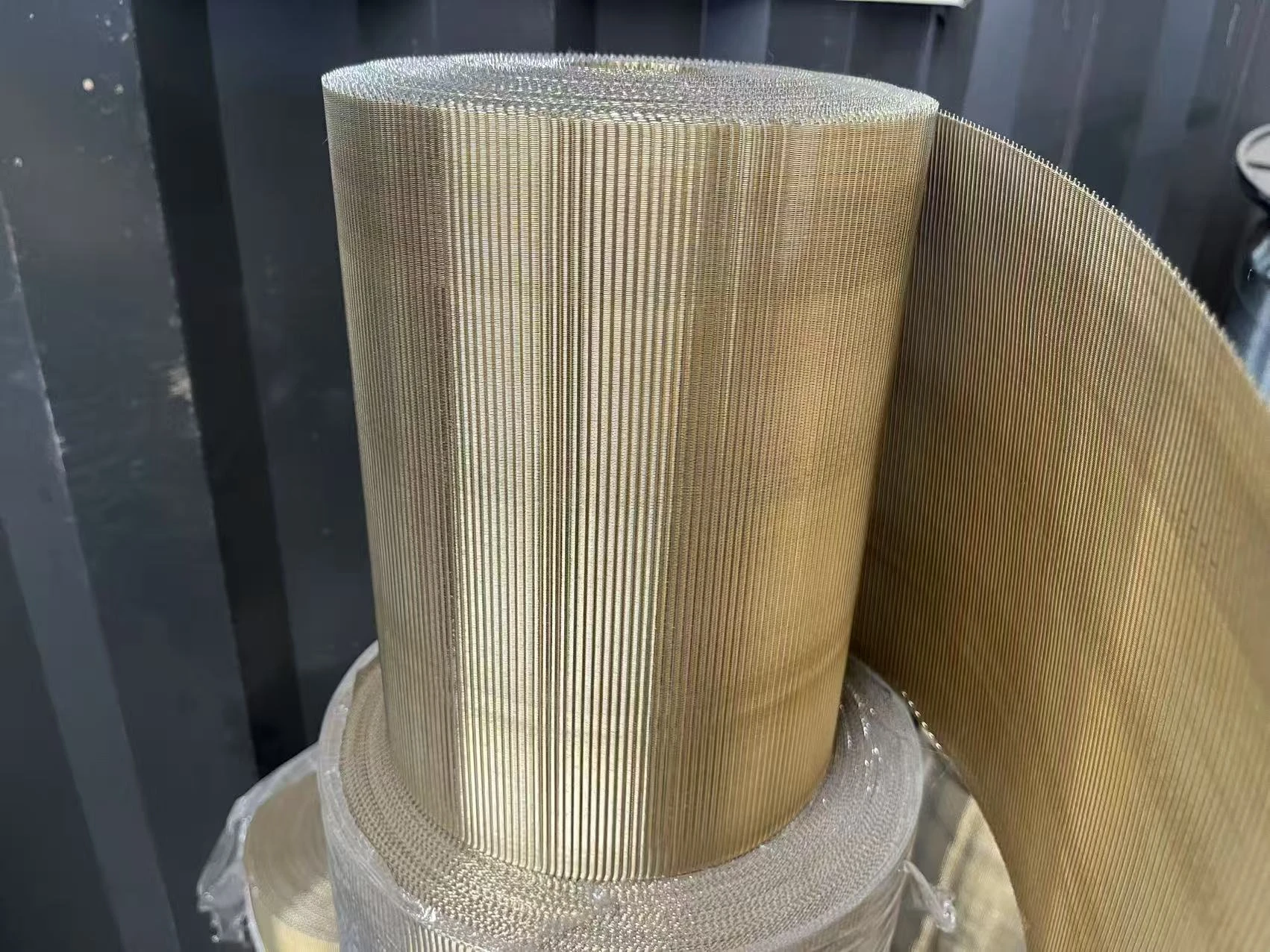
Stainless steel wire mesh, stainless steel mesh, and steel wire mesh are highly valued materials across numerous industries, thanks to their exceptional durability, corrosion resistance, and strength. Anping County Jinzehong Wire Mesh Products Co., Ltd. specializes in crafting high - quality stainless steel wire mesh, which is available in a wide variety of weave types, sizes, and wire diameters. This versatility allows it to be used for applications ranging from filtration and screening to safety guards, fencing, and architectural design. Given its wide usage, proper maintenance is crucial to ensure its long - term performance and appearance.
Regular Cleaning of Stainless Steel Wire Mesh
- Use a soft - bristled brush and warm, soapy water for routine cleaning. Gently scrub the stainless steel wire mesh to remove surface dirt, dust, and mild grime. The soft bristles prevent scratching the smooth surface, which is vital for maintaining its clean look and precise filtering ability, especially in hygiene - sensitive industries like food processing or pharmaceuticals.
-
- For more stubborn dirt on stainless steel wire mesh, especially in outdoor or industrial settings, pressure washing can be effective. However, Anping County Jinzehong Wire Mesh Products Co., Ltd. advises using a low - to - medium pressure setting. High pressure may damage the wire structure or dent the mesh. After pressure washing, rinse thoroughly with clean water to remove all soap residues.
-
- When soapy water fails to remove stains on stainless steel wire mesh, opt for non - abrasive cleaners specifically formulated for stainless steel. These cleaners avoid chemical reactions that could harm the material. Apply as per the manufacturer's instructions and then wipe or rinse off completely, which is important for mesh used in petrochemical applications where tough stains are common.
-
Dealing with Corrosion on Stainless Steel Mesh
- Although stainless steel meshhas excellent corrosion resistance, it can corrode in extreme conditions like prolonged exposure to harsh chemicals or high - salt environments. As soon as corrosion is spotted, take immediate action. Use a stainless - steel - specific rust remover. Apply carefully following the product guidelines and gently scrub the affected area with a soft cloth. This helps prevent corrosion spread and maintains the mesh's structural integrity.
-
- To boost the corrosion resistance of stainless steel meshand reduce future corrosion risks, consider applying a preventive coating. There are various clear protective coatings available that don't affect the mesh's appearance while adding an extra layer of defense. This is a great option for mesh used in coastal areas or other moisture - and salt - prone environments, ensuring its longevity.
-
- Regularly inspect stainless steel meshfor signs of corrosion, especially in vulnerable areas. Establish a monitoring schedule and document any changes. This proactive approach enables early intervention and minimizes the impact of corrosion on the mesh's functionality and lifespan, whether it's used for fencing, safety guards, or architectural purposes.
-
Preventive Maintenance for Steel Wire Mesh
- Steel wire meshis strong but can be damaged by physical impacts. Avoid dropping or throwing heavy objects onto it. In industrial settings, use proper handling equipment and techniques near the mesh. Also, refrain from using sharp tools that could puncture or cut the wires. These precautions help maintain the mesh's structural integrity and optimal performance in screening and filtration applications.
-
- Be mindful of the environmental conditions where steel wire meshis installed. In high - humidity areas, ensure good ventilation to reduce moisture - related damage risks. If the mesh is exposed to long - term direct sunlight, consider using UV - resistant coatings or materials to prevent fading and degradation. Adapting to the environment extends the mesh's life and preserves its quality.
-
- Periodically check the fastenings and supports of steel wire mesh. Over time, vibrations or movement can loosen bolts, screws, or clips. Tighten any loose fastenings immediately to keep the mesh securely in place. For adjustable installations, make necessary adjustments to maintain the right tension and alignment, which is crucial for the safety of fencing and safety guard applications.
-
Product Features Table of Stainless Steel Wire Mesh
|
Feature
|
Description
|
|
Material
|
Made from high - quality stainless steel, ensuring excellent corrosion resistance, strength, and durability
|
|
Versatility
|
Available in a range of weave types, sizes, and wire diameters, suitable for various applications including filtration, screening, safety guards, fencing, and architectural design
|
|
Surface
|
Uniform structure and smooth surface for precise filtering and a clean appearance, ideal for industries like food processing, pharmaceuticals, petrochemicals, mining, and construction
|
|
Temperature Resistance
|
Capable of withstanding extreme temperatures, making it suitable for both high - heat and low - temperature environments
|
|
Chemical Resistance
|
Resistant to a wide range of chemicals, ensuring long - term performance in chemical - exposed applications
|
Stainless Steel Wire Mesh FAQS
How often should I clean stainless steel wire mesh?
The cleaning frequency of stainless steel wire mesh depends on its usage and the environment. For mesh used in relatively clean indoor applications, a monthly gentle washdown with soapy water may be sufficient. However, if the mesh is exposed to outdoor elements, heavy dirt, or industrial pollutants, it may need to be cleaned weekly or even more frequently. Regular inspection can help determine the appropriate cleaning schedule to maintain the mesh's performance and appearance.
Can I use regular household cleaners on stainless steel mesh?
It's not recommended to use regular household cleaners on stainless steel mesh without checking their compatibility first. Many household cleaners contain chemicals that can react with the stainless steel, causing discoloration, corrosion, or damage to the surface. Instead, use cleaners specifically formulated for stainless steel or mild soapy water for routine cleaning. This ensures that the mesh's corrosion resistance and smooth surface are preserved, especially when used in applications where hygiene and appearance are important.
What should I do if the steel wire mesh gets bent?
If the steel wire mesh gets bent, assess the extent of the damage. For minor bends, you may be able to carefully straighten the wires using pliers or other suitable tools. However, be cautious not to apply too much force, as this can cause the wires to break. For more significant bends or structural damage, it may be necessary to replace the affected section of the mesh. Anping County Jinzehong Wire Mesh Products Co., Ltd. can provide replacement parts or offer advice on the best course of action based on the specific type and size of the mesh.
Does stainless steel wire mesh require lubrication?
In most cases, stainless steel wire mesh does not require lubrication. Its smooth surface and non - stick properties generally prevent the need for additional lubricants. However, if the mesh is part of a moving mechanism, such as in some industrial screening equipment, follow the manufacturer's recommendations for lubrication. Use lubricants that are compatible with stainless steel to avoid any potential chemical reactions or damage to the mesh.
How can I extend the lifespan of stainless steel mesh?
To extend the lifespan of stainless steel mesh, follow a comprehensive maintenance routine. This includes regular cleaning, prompt treatment of any corrosion or damage, proper handling to avoid physical harm, and adapting to the environmental conditions. Additionally, consider preventive measures like applying protective coatings. By taking these steps, you can ensure that the stainless steel mesh remains in good condition and continues to perform well over time.