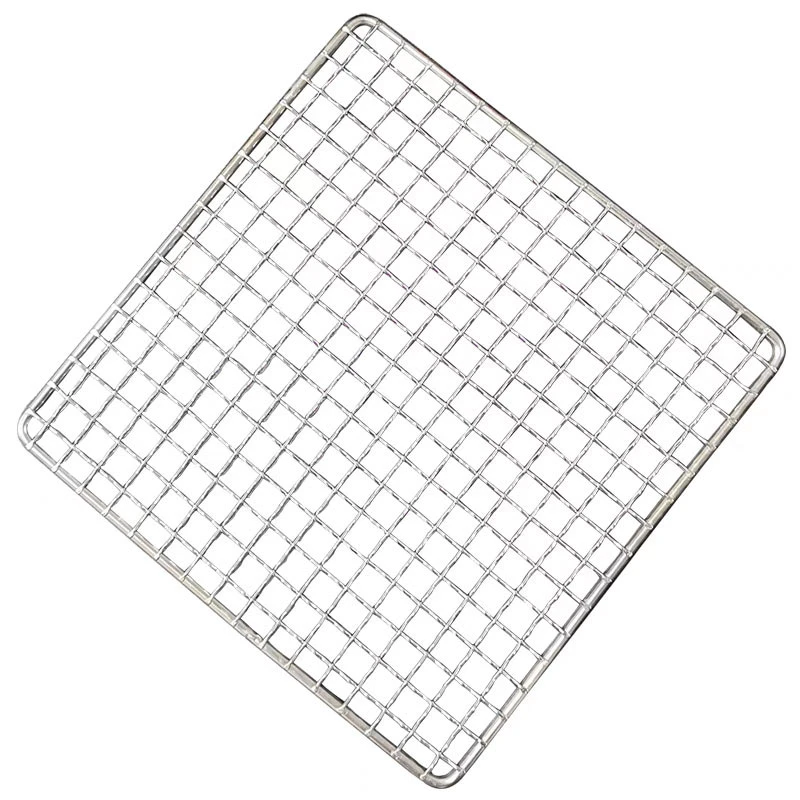
A Pro’s Take on the Custom Wire Mesh Tray For Baking And Drying
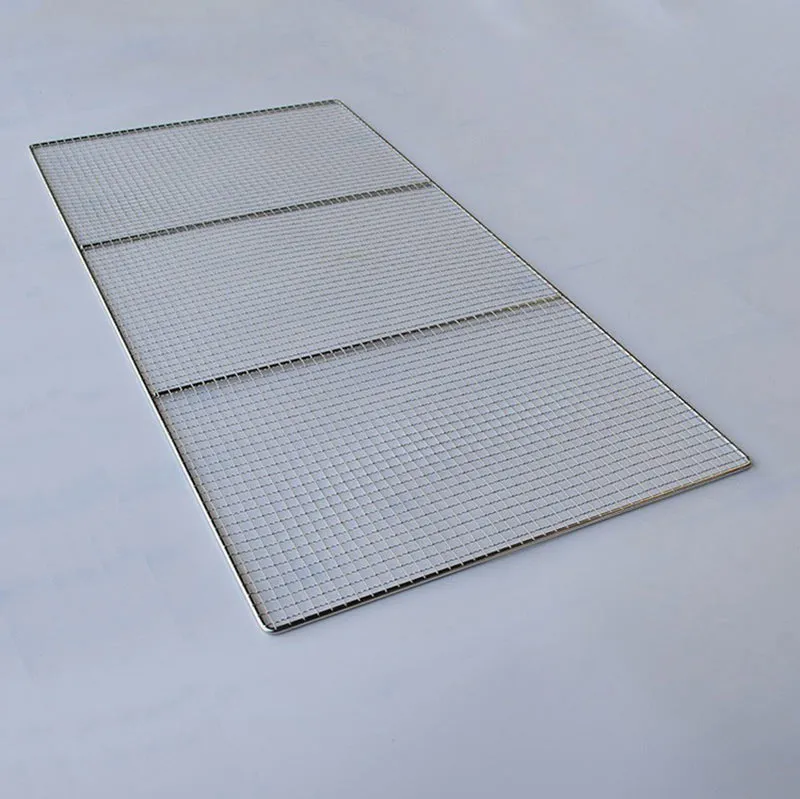
If you’ve ever worked a rush in a bakery or tried to dehydrate herbs without hot spots, you already know the unsung hero is airflow. That’s why the first time I tested a
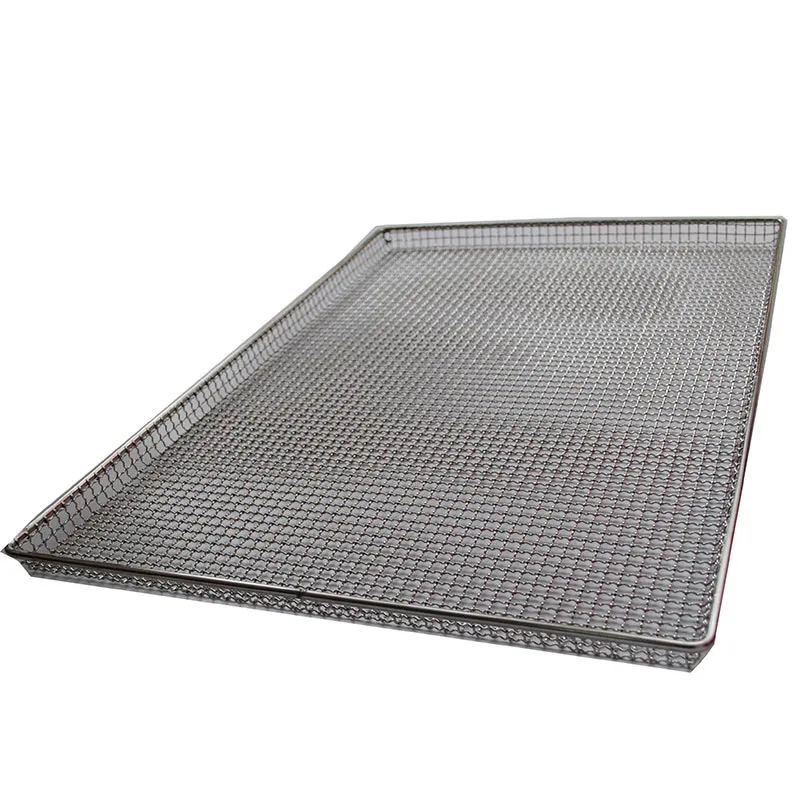
wire mesh cooking tray, I thought: finally, something built for real ovens, not showroom kitchens.
Industry trend, quickly: operators are moving from perforated sheets to open mesh for faster moisture escape, better heat transfer, and genuinely easier cleaning. In commercial bakeries, that can mean shorter bake cycles (sometimes 5–10% in my notes), and in R&D kitchens, more repeatable dehydration curves. It’s subtle, but it adds up.
Technical snapshot (real-world use may vary)
| Material |
Stainless steel 304 / 316 / 316L (per ASTM A580) |
| Mesh & Aperture |
Custom; typical 4–12 mesh, aperture ≈2–10 mm (ISO 9044 tolerances) |
| Wire Diameter |
≈0.8–2.5 mm (heavier duty on request) |
| Frame & Edge |
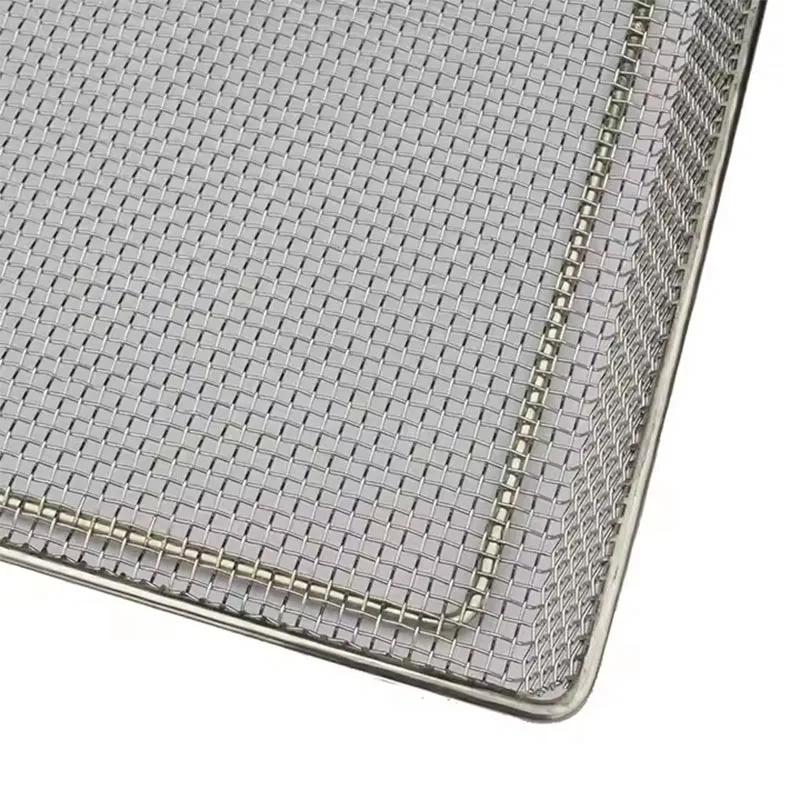
TIG-welded perimeter, rolled rim or U-channel |
| Finish |
Pickled & passivated; electropolish optional (Ra ≈0.8–1.2 μm) |
| Temperature |
Up to ≈600°C (service life depends on load/chemistry) |
| Load |
Custom; typical 5–25 kg per tray in static use |
Process flow and testing (how it’s actually made)
Material selection (304/316/316L) → wire drawing → mesh forming (resistance welding or woven, depending on spec) → perimeter TIG welding → deburring → pickling & passivation → optional electropolish → ultrasonic clean → QC pack.
- Dimensional checks to ISO 9044; mesh aperture gauge verification
- Weld shear test and 3× rated load at 250°C for 1 hour (in-house benchmark)
- Salt spray spot-checks 72–96 h per ASTM B117 on finish coupons
- Food-contact compliance: materials suitable for NSF/ANSI 51 and EU 1935/2004 frameworks
Where it excels
Bakeries chasing consistent crust, jerky and fruit dehydration, lab-scale lyophilization prep, even smokehouse runs. Many customers say the electropolished surface rinses clean faster—less caramelized sugar sticking, fewer scrub passes. It seems that once teams switch to a wire mesh cooking tray, they don’t go back to flat perforated sheets.
Customization highlights
Handles, stackable feet, nesting lips, lids, identification tags, mesh direction for airflow bias, and frame gauges for carts. Sizes are truly “as requested,” from 1/1 GN to 600×400 mm, to niche rack footprints found in older ovens.
Vendor comparison (quick reality check)
| Vendor |
Strengths |
Trade-offs |
| Jinzehong (Anping, Hebei; South Road, 500m N of Houzhangzhuang) |
Deep customization, TIG frames, electropolish, traceable 304/316/316L; ISO-style QC |
Lead time 10–20 days for custom runs |
| Generic Importer |
Low unit price on bulk SKUs |
Limited specs, mixed finishes, variable wire grades |
| Perforated Sheet Vendor |
Rigid panels, easy stacking |
Lower airflow vs wire mesh cooking tray; longer dry times |
Mini case notes
- Mid-size bakery: swapped 600×400 mm trays to mesh; recorded ≈8% faster bake on macarons, fewer bottom blowouts.
- Herb dryer: mesh aperture tuned to 4 mm; improved dehydration uniformity by ≈20% (probe-to-probe variance cut).
- R&D kitchen: 316L trays held up better to acidic marinades; service life extended a season (anecdotal, but consistent).
Bottom line: if airflow, hygiene, and repeatability matter, a well-built wire mesh cooking tray pays for itself in time saved and batches rescued. Just specify the mesh and frame for your rack and heat profile—and insist on documented material grades.
Certs and references
Ask for mill certs for 304/316/316L, finish reports (Ra where applicable), and salt-spray or aging data on request. Compliance frameworks commonly referenced: NSF/ANSI 51 for food equipment materials and EU 1935/2004 for food contact.
- ISO 9044: Industrial wire cloth — Technical requirements.
- ASTM A580/A580M: Stainless Steel Wire Standard Specification.
- ASTM B117: Standard Practice for Operating Salt Spray (Fog) Apparatus.
- EU Regulation (EC) No 1935/2004: Materials and articles intended to come into contact with food.
- NSF/ANSI 51: Food Equipment Materials.