06 Oct 2025
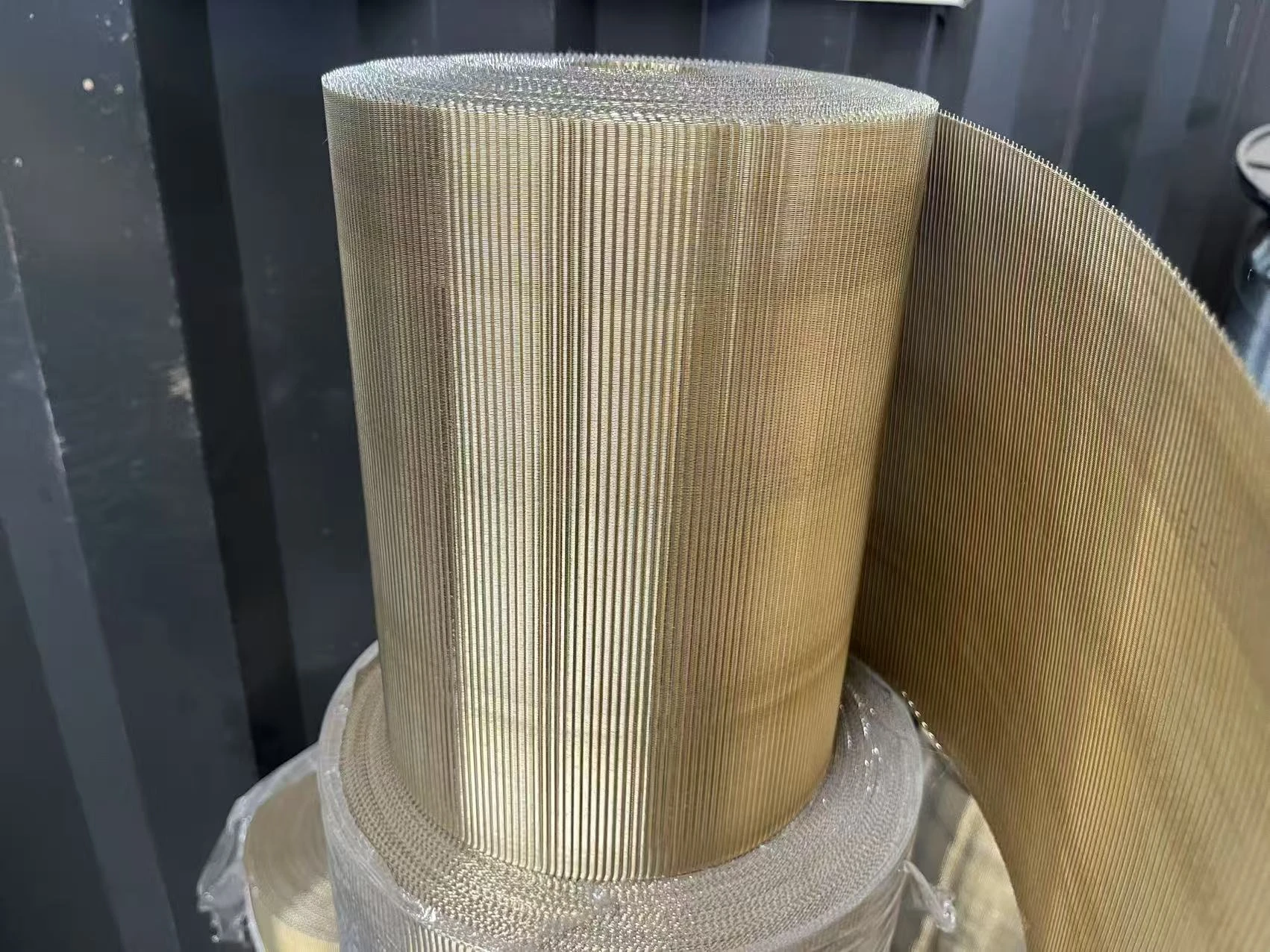
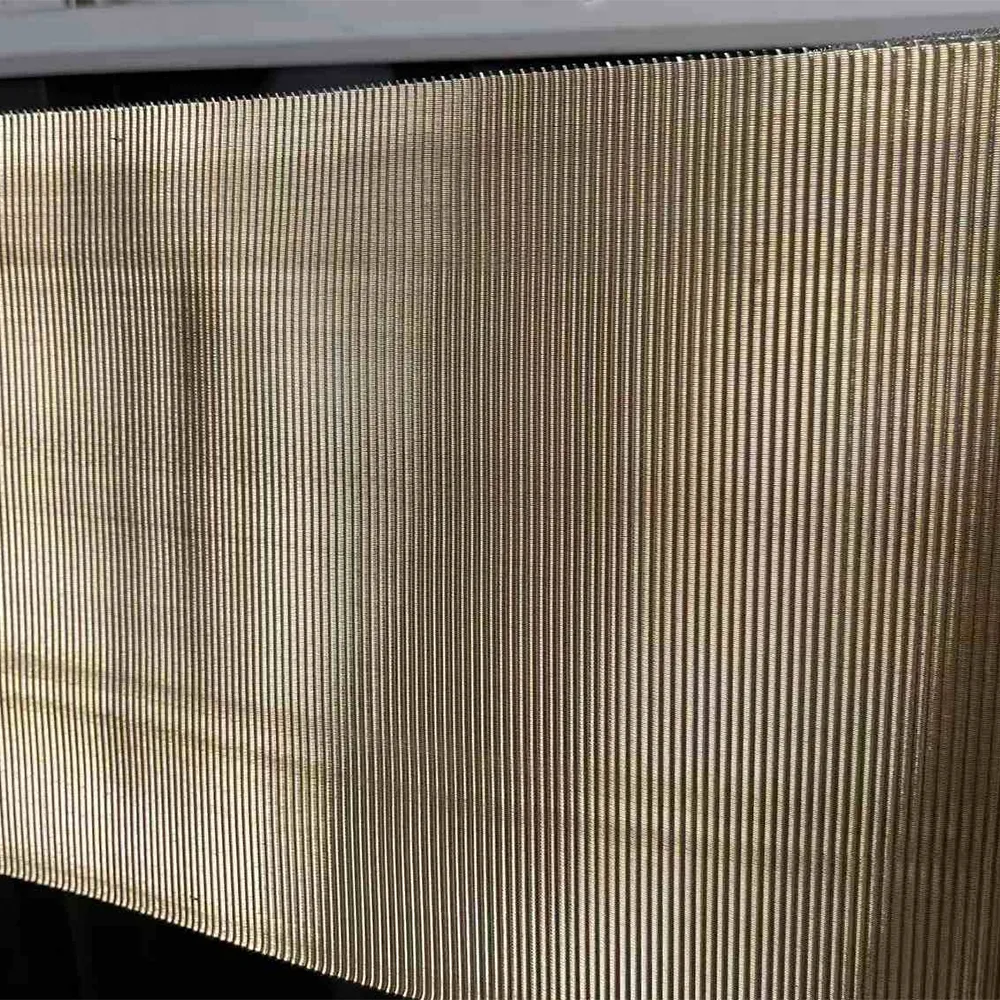
I’ve spent enough time in filtration rooms and wire-drawing shops to know a good mesh when I see one. The headline here is simple: Metal Dutch Weave Wire Mesh uses a differentiated warp (thicker, fewer) and weft (finer, more) to build a pressure-tolerant, fine-retention fabric that doesn’t collapse when the pump gets impatient. Origin story? Anping County, Hebei—South Road, 500 m North of Houzhangzhuang—where weaving steel is practically a local dialect.
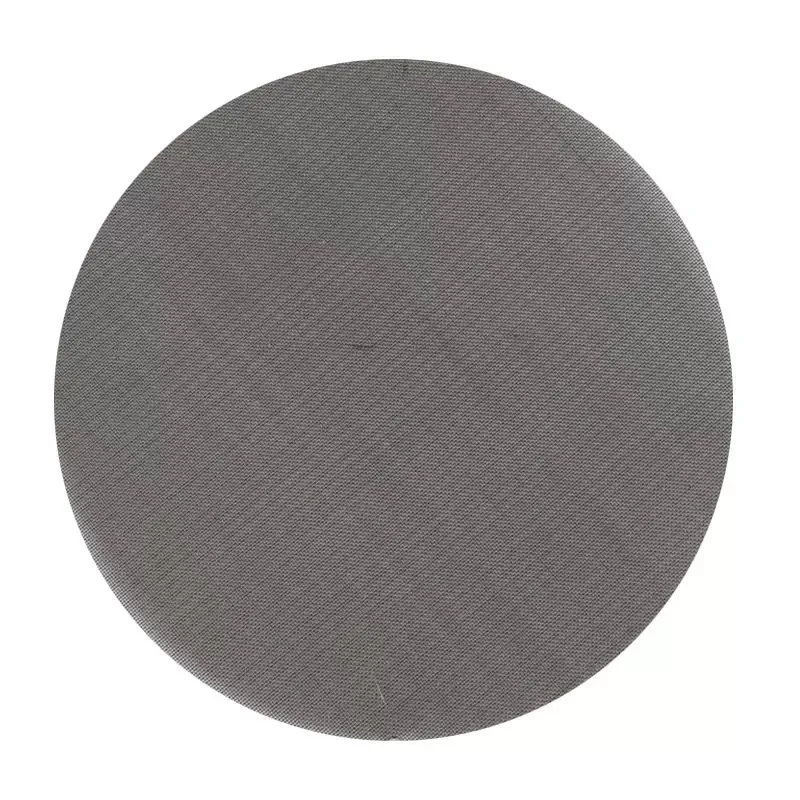
Two big moves this year: polymer melt filtration pushing ≤15 μm ratings, and chemical plants swapping pleated cartridges for reusable sintered packs made from Metal Dutch Weave Wire Mesh. Sustainability isn’t just buzz—maintenance teams like cleaning a mesh and logging another 6 months of service life.
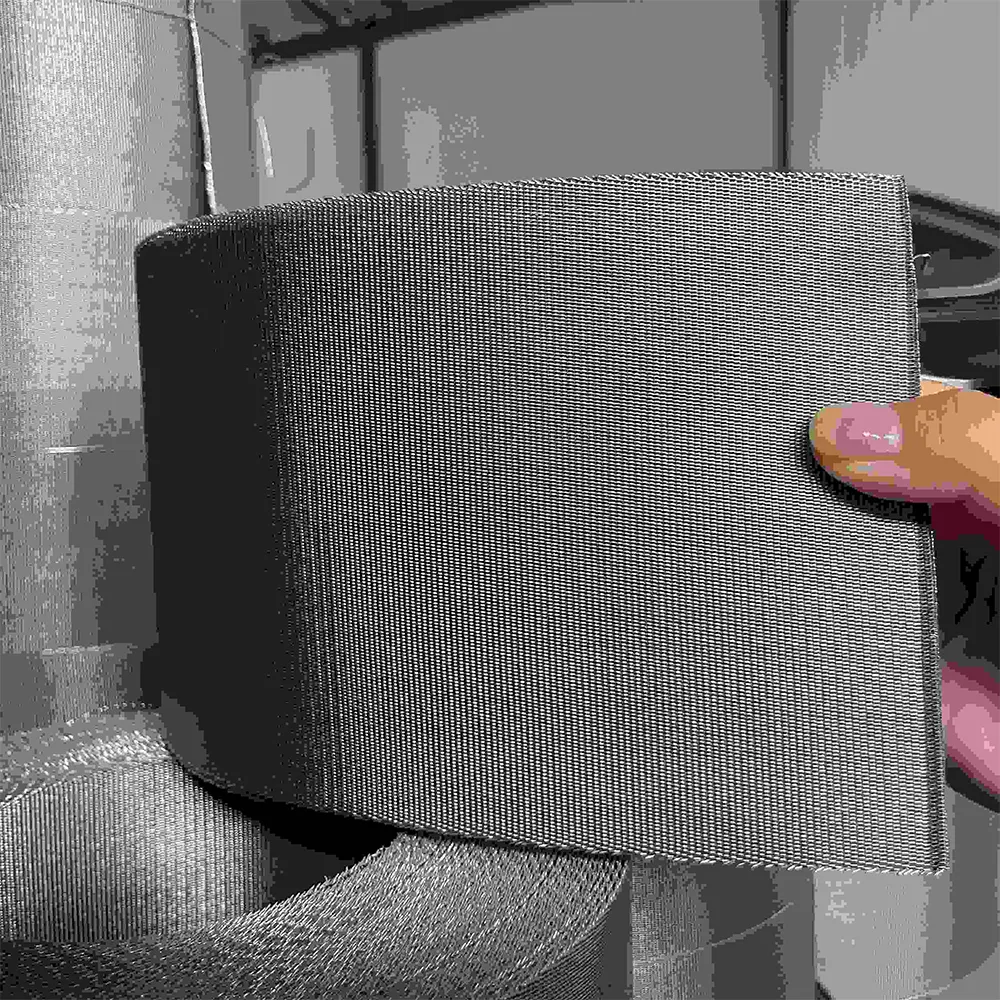
| Parameter | Typical range | Notes |
|---|---|---|
| Weave types | Plain Dutch, Reverse Dutch | Reverse for higher strength/flow. |
| Micron rating | ≈ 5–200 μm | ASTM F316 correlation; process dependent. |
| Mesh example | 24×110, 80×700, 200×1400 | Warp×Weft (warp thicker). |
| Thickness | ≈ 0.10–1.0 mm | After calendering, ±10% typical. |
| Materials | 304/316L standard; 904L/Hastelloy optional | Pick for corrosion/temperature. |
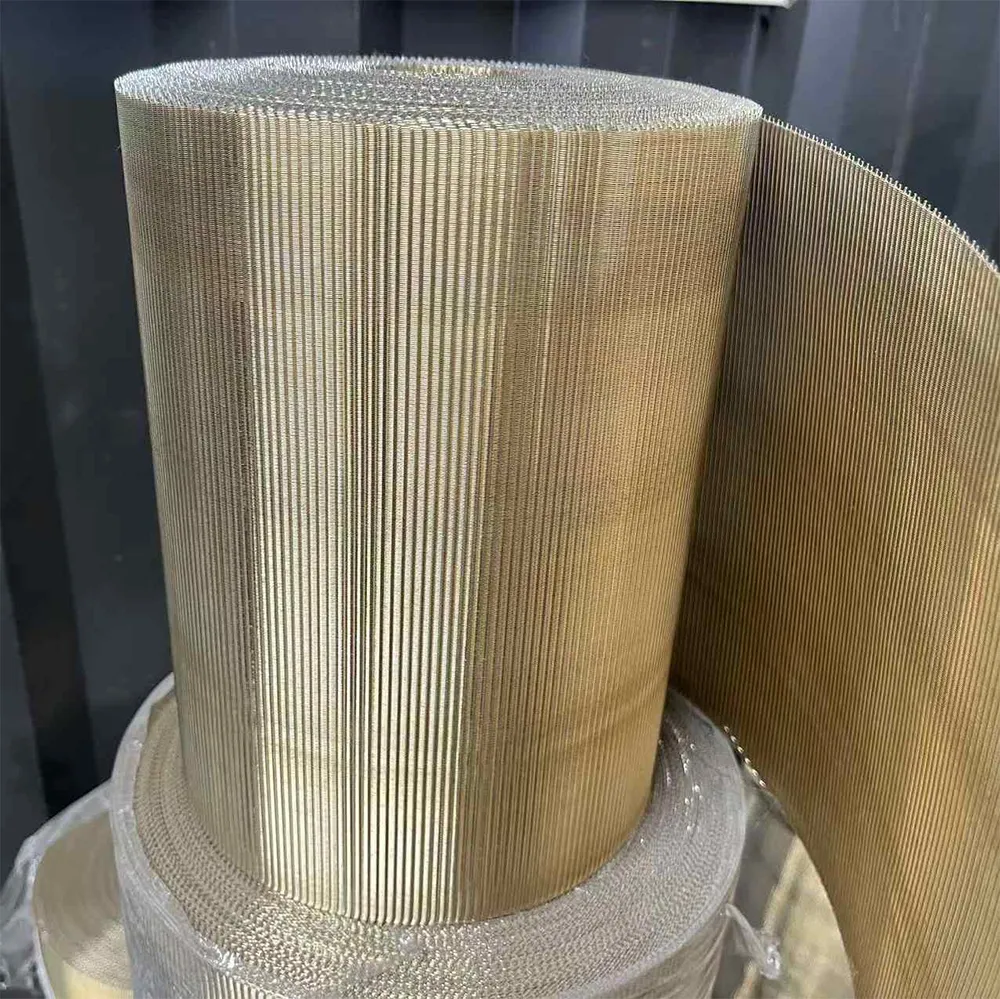
A northern brewery ran 80×700 plain Dutch, 316L, at 2.5 bar. Bubble point averaged 0.42 bar (isopropanol) with 5% RSD; lifespan reached 14 months with monthly caustic CIP. In a polymer line, reverse Dutch (200×1400) cut differential pressure spikes by ~18% versus twill weave packs. I know, lab isn’t plant, but it tracks.
Cut circles, laser-cut odd shapes, multi-layer sintered laminates, welded seams, edge rings—plus MTRs, PMI reports, and ISO 9001 paperwork. If you need 904L for chlorides, say it early.
| Vendor | Weave range | Standards | Lead time |
|---|---|---|---|
| Jinzehong (Anping) | 5–200 μm; plain/reverse | ASTM E2016, ISO 9044, ISO 9001 | ≈ 7–15 days |
| Vendor A (EU) | 10–150 μm | EN 10204 3.1, ISO 9001 | ≈ 2–4 weeks |
| Vendor B (US) | 15–250 μm | ASTM E2016, ASTM A580 | ≈ 1–3 weeks |
Certifications available: ISO 9001:2015; material traces to ASTM A580 heat lots; compliance to ISO 9044 and ASTM E2016 documented on request.
Hit enter to search or ESC to close