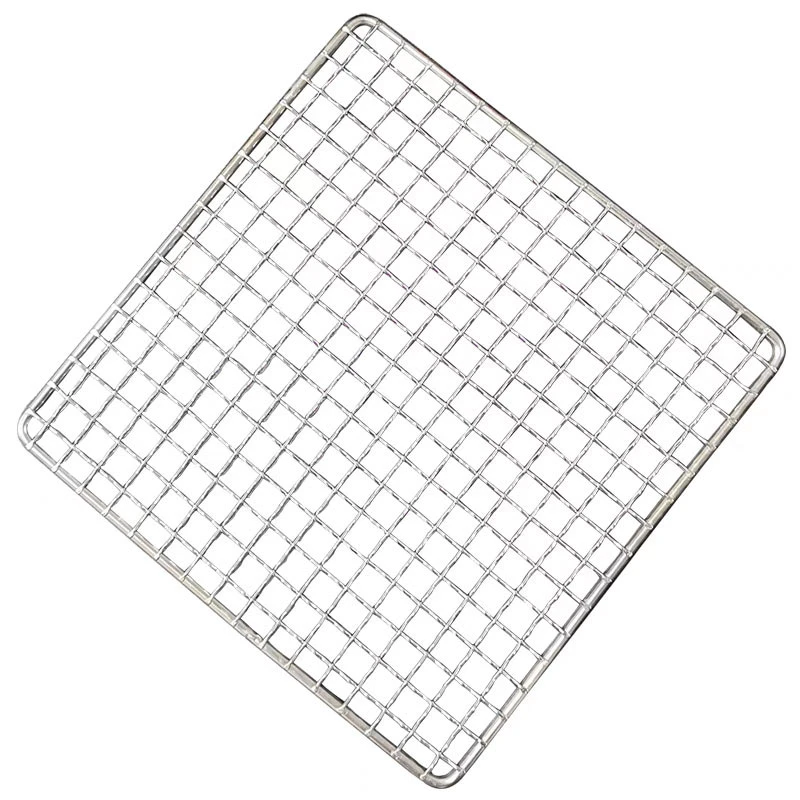
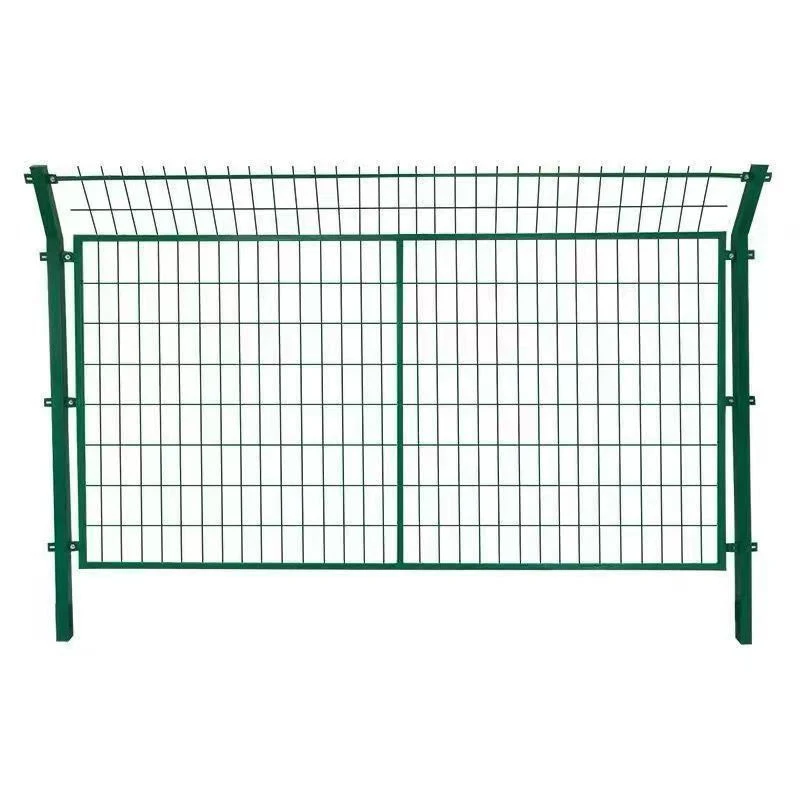
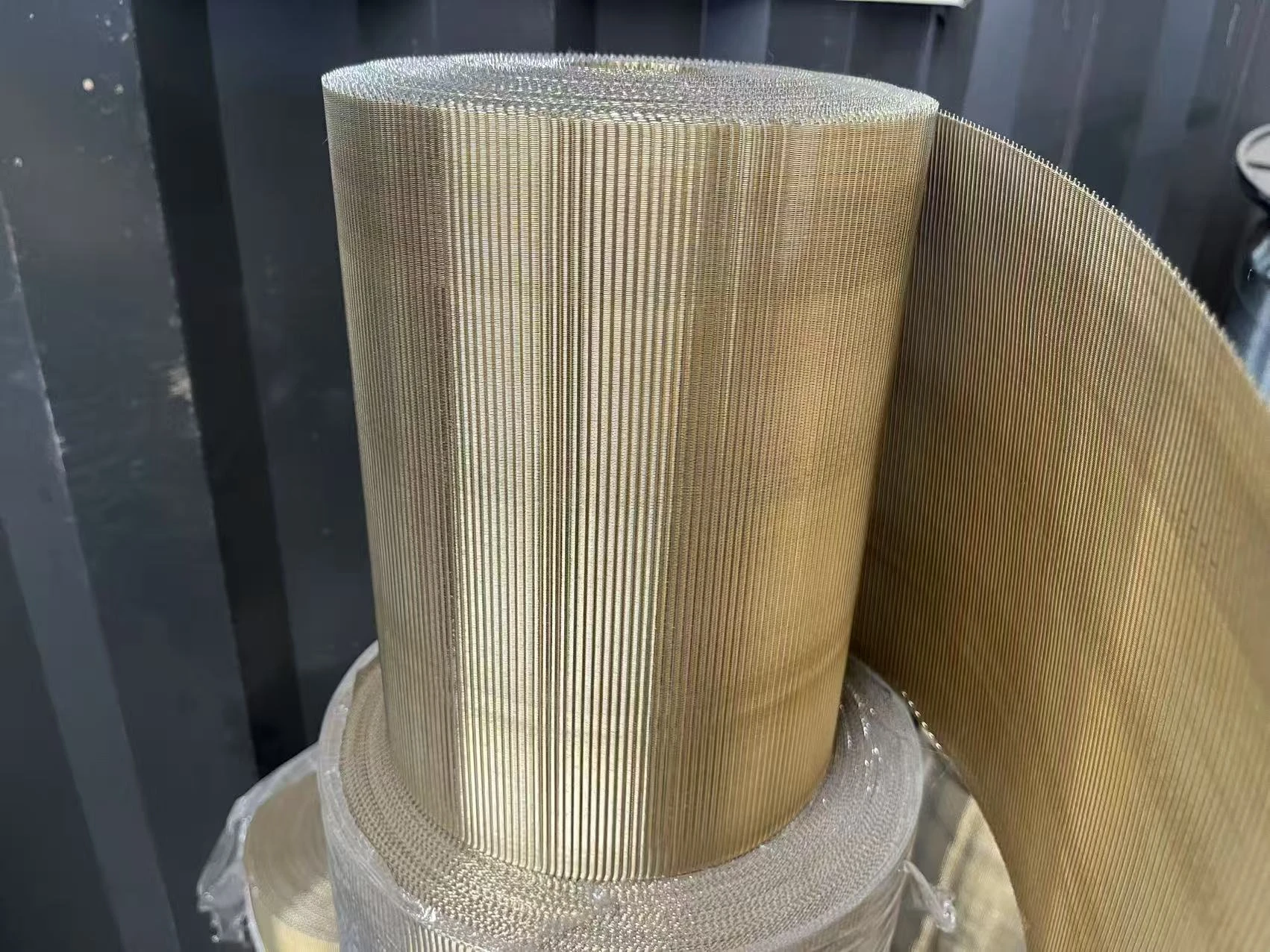
In the realm of advanced material solutions for industrial and architectural applications, the demand for robust, durable, and reliable filtration and security barriers is paramount. Among the leading options, stainless steel window screen stands out as a superior choice, offering unparalleled performance and longevity. This comprehensive article delves into the intricate details of this critical product, exploring its manufacturing, technical specifications, diverse applications, and the strategic advantages it provides to B2B stakeholders.
Understanding Stainless Steel Window Screens: An Overview of Industry Trends
The global market for wire mesh products, particularly those manufactured from stainless steel, has witnessed consistent growth driven by increasing industrialization, stringent safety regulations, and a heightened focus on durable, low-maintenance materials. The demand for **stainless steel window screen mesh** is notably strong in sectors requiring corrosion resistance, high tensile strength, and precise filtration. Key trends include the adoption of finer mesh counts for enhanced pest control and particulate filtration, the integration of advanced alloys (e.g., SS316L for extreme environments), and a growing emphasis on sustainable manufacturing practices.
Technological advancements in weaving techniques allow for more uniform mesh structures, improving both aesthetic appeal and functional performance. Furthermore, the rise of smart infrastructure and enhanced security needs globally has amplified the market for **stainless steel security window screen mesh**, offering robust protection without compromising visibility or airflow. Industry reports indicate a compound annual growth rate (CAGR) for the global stainless steel wire mesh market to be around 4.5% from 2023 to 2030, underscoring its pivotal role in modern engineering and design.
The Manufacturing Process: From Raw Material to Precision Mesh
The production of high-quality **stainless steel wire mesh window screen** is a meticulous process, requiring precision engineering and adherence to strict quality control standards. This ensures the final product meets the demanding specifications for various industrial and commercial applications.
Process Flow Schematic:
Manufacturing Process for Stainless Steel Window Screen
1. Material Sourcing
High-grade stainless steel wire rods (e.g., SS304, SS316, SS316L) selected for specific corrosion and strength requirements.
2. Wire Drawing
Rods are drawn through dies to achieve precise wire diameters, often with intermediate annealing.
3. Weaving Process
Wires are interlaced on automatic looms to create various weave patterns (plain, twill, Dutch) and desired mesh counts.
4. Cleaning & Passivation
Mesh is cleaned to remove contaminants and often passivated to enhance the chromium oxide layer for superior corrosion resistance.
5. Inspection & Testing
Comprehensive quality checks for mesh count, wire diameter, open area, tensile strength, and material composition (e.g., XRF analysis).
6. Cutting, Finishing & Packaging
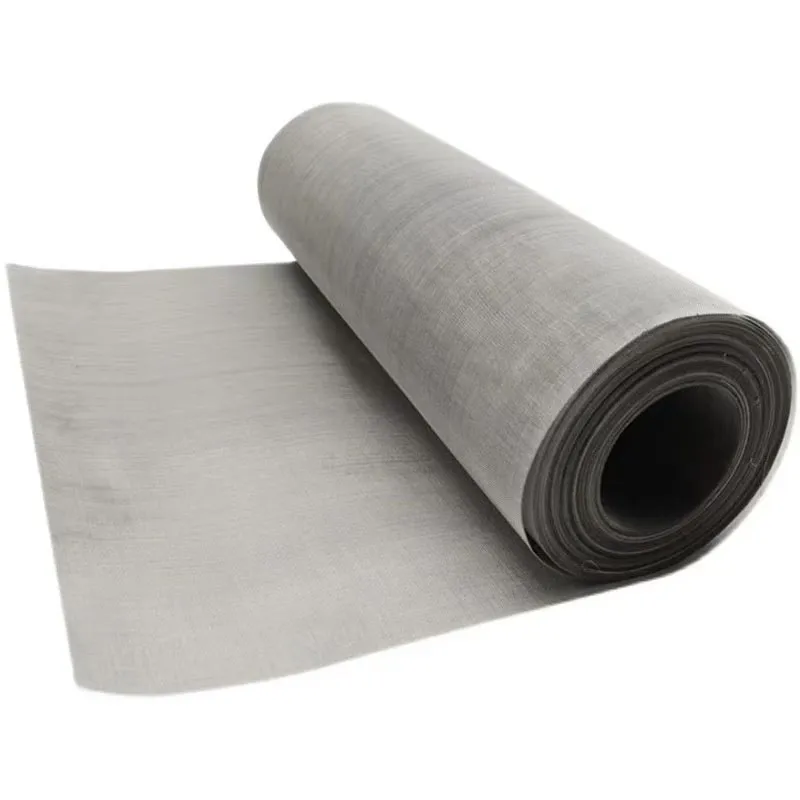
Mesh is cut to specific dimensions, edges are finished, and then carefully packaged for delivery, often as **stainless steel window screen roll**.
**Materials:** The primary material used is high-grade stainless steel, predominantly SS304 and SS316. SS304 (18% Chromium, 8% Nickel) offers excellent corrosion resistance in general environments, while SS316 (16-18% Chromium, 10-14% Nickel, 2-3% Molybdenum) provides superior resistance to pitting and crevice corrosion, especially in chloride-rich or acidic conditions. SS316L, a low-carbon variant of 316, is preferred for welding applications to prevent sensitization.
**Testing Standards:** To ensure the highest quality, manufactured **stainless steel window screen** undergoes rigorous testing in accordance with international standards. These include:
- ISO 9044:2013: Industrial wire screens and woven wire cloth – Guide for technical delivery requirements.
- ASTM E2016: Standard Specification for Industrial Woven Wire Cloth.
- ASTM A580: Standard Specification for Stainless Steel Wire.
- ANSI/AWWA C652: Disinfection of Water Storage Facilities (relevant for water treatment applications).
These standards cover aspects like mesh count accuracy, wire diameter tolerance, tensile strength, and corrosion resistance. The service life of a properly manufactured and installed stainless steel window screen can easily exceed 20-30 years in non-aggressive environments, showcasing exceptional longevity.
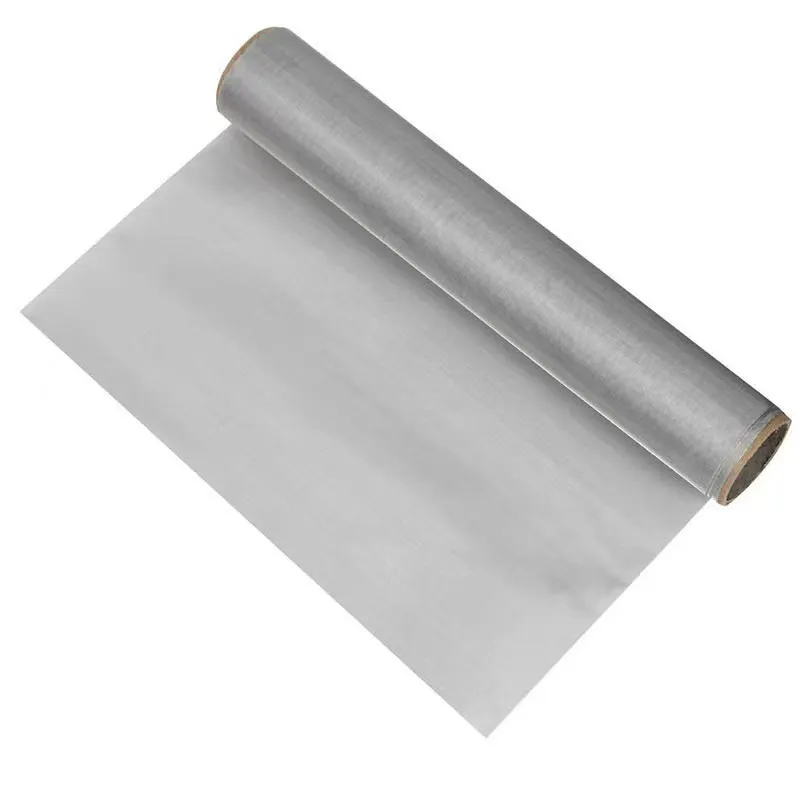
Technical Specifications and Performance Parameters
Understanding the technical specifications of **stainless steel window screen mesh** is crucial for selecting the appropriate product for specific applications. Key parameters define the performance and suitability of the mesh:
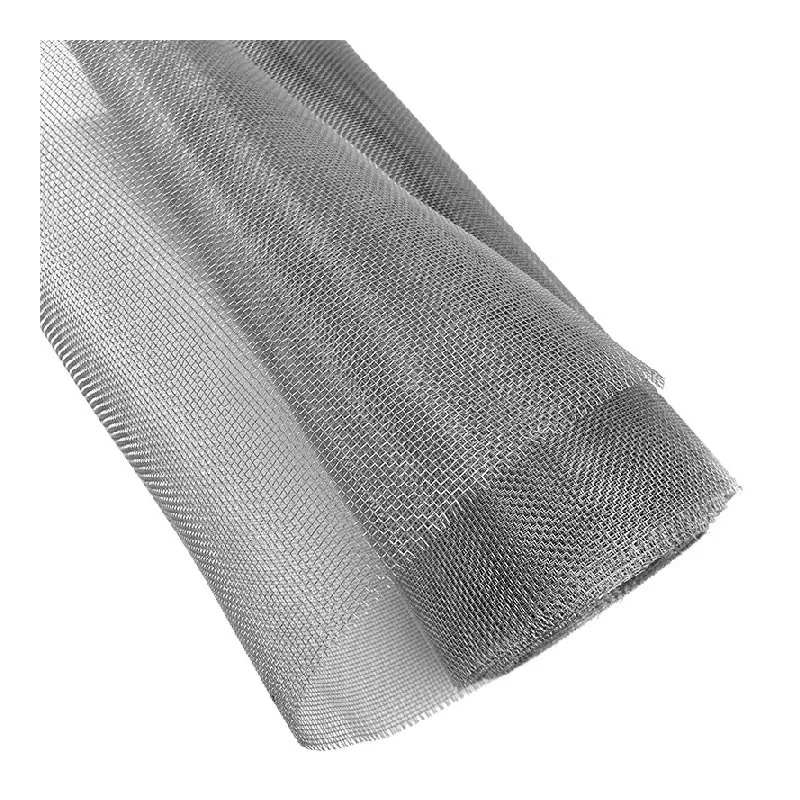
- Mesh Count: Refers to the number of wires or openings per linear inch. A higher mesh count indicates smaller openings, suitable for finer filtration or insect exclusion.
- Wire Diameter: The thickness of the individual stainless steel wires, measured in millimeters or inches. Thicker wires provide greater strength and durability but reduce open area.
- Open Area: The percentage of open space within the mesh, directly impacting airflow, light transmission, and filtration efficiency. Calculated as: Open Area (%) = [(Mesh Opening)² / (Mesh Opening + Wire Diameter)²] * 100.
- Material Grade: Specifies the type of stainless steel (e.g., SS304, SS316, SS316L), influencing corrosion resistance and mechanical properties.
- Weave Pattern: Common patterns include plain weave (strong, stable), twill weave (accommodates heavier wires for denser mesh), and Dutch weave (high particle retention, often used for filtration).
- Tensile Strength: A measure of the material's resistance to breaking under tension, critical for security applications.
Typical Stainless Steel Window Screen Specifications:
| Parameter |
Standard Range / Value |
Notes on Application |
| Material Grade |
SS304, SS316, SS316L |
SS304 for general use, SS316/316L for marine, chemical, and corrosive environments. |
| Mesh Count (per inch) |
10x10 to 120x120 (Standard); up to 635x635 (Fine Filtration) |
Lower counts for security/heavy duty, higher for insect/fine particulate screening. |
| Wire Diameter |
0.1mm - 1.2mm (approx. SWG 40 - SWG 18) |
Thicker wire for strength, thinner for greater open area/flexibility. |
| Open Area |
Approx. 30% - 70% |
Higher open area maximizes airflow and light, lower for enhanced filtration/security. |
| Tensile Strength (SS304) |
515 - 690 MPa (75 - 100 ksi) |
Critical for structural integrity and security applications. |
| Corrosion Resistance |
Excellent to Superior |
Resistant to rust, acids, alkalis, and chloride environments (SS316/316L). |
| Temperature Range |
Up to 870°C (1600°F) for continuous service |
Maintains structural integrity in high-temperature industrial settings. |
These specifications allow engineers and procurement managers to precisely match the mesh product to the operational demands, ensuring optimal performance and compliance with industry regulations.
Key Technical Advantages of Stainless Steel Window Screens
The inherent properties of stainless steel translate into significant technical and operational advantages for window screens and similar mesh applications:
- Exceptional Corrosion Resistance: Stainless steel contains a minimum of 10.5% chromium, which reacts with oxygen to form a passive, self-repairing layer. This passive layer provides superior resistance to rust, oxidation, and various chemical attacks, making it ideal for harsh industrial environments (e.g., petrochemical plants, coastal regions) and extending service life significantly.
- High Durability and Longevity: Due to its robust mechanical properties, **stainless steel window screen** resists tearing, impact, and deformation. Unlike softer materials, it maintains structural integrity under stress, ensuring a long operational lifespan with minimal maintenance and replacement costs.
- Superior Security: The high tensile strength and rigidity of stainless steel wire, especially in heavier gauges, provide an effective barrier against intruders, making **stainless steel security window screen mesh** a preferred choice for residential, commercial, and industrial security applications. It resists cutting, slashing, and tampering.
- Excellent Pest and Insect Control: Fine mesh counts effectively block even the smallest insects and pests, crucial for hygiene-sensitive industries like food processing and healthcare, as well as for comfort in residential and commercial buildings.
- UV and Heat Resistance: Stainless steel is unaffected by prolonged exposure to UV radiation or high temperatures, preventing degradation, fading, or brittleness that can affect polymer-based screens. This contributes to energy saving by maintaining optimal airflow without material breakdown.
- Ease of Cleaning and Maintenance: The smooth, non-porous surface of stainless steel resists dirt accumulation and is easy to clean, often requiring just water and mild detergent. This reduces operational overheads and ensures consistent performance.
- Aesthetic Appeal: The metallic sheen of stainless steel provides a modern, clean, and professional appearance that complements contemporary architectural designs without obstructing views.
These advantages collectively offer a compelling value proposition, making stainless steel window screens a strategic investment for long-term performance and cost-efficiency.
Diverse Application Scenarios Across Industries
The versatility of **stainless steel window screen** allows its deployment across a broad spectrum of industries, solving critical challenges related to filtration, security, and environmental control.
- Petrochemical Industry: Used in distillation columns, catalytic converters, and as support grids in reactors, where resistance to corrosive chemicals and high temperatures is essential. Filters and screens prevent particle contamination and ensure process efficiency.
- Metallurgy and Mining: Employed in screening and sizing raw materials, protecting machinery from dust and debris, and as safety barriers in smelters and processing plants where heat and abrasive conditions prevail.
- Water Supply & Drainage: Critical for intake screens, well screens, dewatering filters, and wastewater treatment systems. The corrosion resistance of stainless steel ensures long-term performance in submerged and chemically treated water environments.
- Food and Beverage Processing: Essential for hygiene. Used in conveyor belts, drying racks, pest control screens, and filtration systems for liquids and solids, meeting strict FDA and HACCP standards for material compatibility and ease of cleaning.
- Architectural and Construction: Aesthetic and functional applications include sun screens, privacy panels, balustrade infills, and decorative mesh facades. Security versions provide robust protection for windows and doors in commercial and residential buildings.
- Pharmaceutical and Healthcare: Precision mesh is used in sieving, drying, and ventilation systems to maintain sterile environments and prevent cross-contamination, ensuring product purity.
- Automotive and Aerospace: Filters, vents, and protective screens in various components where durability and resistance to extreme conditions are required.
Customized Solutions: Tailoring Mesh to Specific Needs
Standard **stainless steel window screen roll** products meet many general requirements, but complex industrial applications often demand highly specific mesh configurations. Leading manufacturers offer extensive customization capabilities to precisely match client needs, optimizing performance and integration. This includes:
- Specific Mesh Counts and Wire Diameters: Fine-tuning the balance between open area, filtration efficiency, and mechanical strength.
- Specialty Alloys: Beyond SS304/316, options like Duplex stainless steels (e.g., 2205) for enhanced strength and corrosion resistance, or Nickel alloys for extreme high-temperature or highly corrosive environments.
- Custom Weave Patterns: Developing bespoke weave configurations for unique flow, filtration, or structural characteristics.
- Surface Treatments: Electropolishing for an ultra-smooth, cleanable, and deburred surface, often required in pharmaceutical and semiconductor industries. Polymer coatings for specific chemical resistance or color requirements.
- Fabrication Services: Cutting, slitting, welding, and forming the mesh into specific shapes, panels, or filter elements, including framing and edge finishing.
- Dimensions and Roll Lengths: Producing mesh in precise widths and lengths to minimize waste and streamline installation for large-scale projects.
Engaging with a manufacturer capable of providing these bespoke solutions ensures that the final product is perfectly aligned with the project's engineering specifications and operational demands, leading to optimized performance and long-term cost savings.
Vendor Comparison: Choosing the Right Partner
Selecting a reliable vendor for **stainless steel wire mesh window screen** is as critical as the product itself. A robust vendor comparison involves evaluating several key factors beyond just price:
| Criteria |
Vendor A (Industry Leader) |
Vendor B (Mid-Tier Specialist) |
Vendor C (Budget Option) |
| Product Quality & Certifications |
ISO 9001, ASTM, CE. Consistent, high-precision mesh. Full material traceability. |
ISO 9001. Good quality for standard products. Limited material traceability. |
Basic certifications. Variable quality, especially for specialized mesh. |
| Customization Capabilities |
Extensive (alloy, weave, dimensions, fabrication, surface treatments). R&D support. |
Moderate (standard modifications, some fabrication). |
Limited to standard cuts and dimensions. |
| Lead Time & Fulfillment |
Standard: 2-3 weeks. Custom: 4-6 weeks. Excellent inventory management. |
Standard: 3-4 weeks. Custom: 6-8 weeks. Adequate inventory. |
Standard: 4-6 weeks. Custom: Varies widely, often delayed. |
| Technical Support & Expertise |
Dedicated engineering team. Application specialists. Comprehensive post-sales support. |
Competent sales team. Basic technical advice. |
Limited, often relies on product datasheets. |
| Pricing |
Premium, reflecting quality, service, and R&D. |
Competitive for standard products. |
Lowest initial cost, potentially higher lifecycle cost due to quality issues. |
While Vendor A typically represents a higher initial investment, the long-term benefits of superior quality, reliability, and comprehensive support often result in a lower total cost of ownership, especially for critical applications. For projects where specific technical parameters are paramount, partnering with an established and certified manufacturer is crucial.
Real-World Application Case Studies
Case Study 1: Marine Filtration System Upgrade
A major shipbuilding company required an upgrade to its ballast water treatment filtration system. The existing screens were failing due to rapid corrosion in saltwater environments. Our team provided custom-fabricated screens from **SS316L stainless steel window screen mesh** with a specific 50-mesh count. The molybdenum content in SS316L drastically improved resistance to chloride-induced pitting corrosion. After two years of continuous operation, the screens showed no signs of degradation, significantly reducing maintenance downtime and demonstrating exceptional service life in a highly corrosive application.
Case Study 2: High-Security Commercial Building Perimeter
A financial institution sought an unobtrusive yet impenetrable security solution for its ground-floor windows. Traditional bars were deemed aesthetically unacceptable. We supplied **stainless steel security window screen mesh** with a heavy-gauge (0.9mm wire diameter) and tight 12x12 mesh count, integrated into custom-fabricated aluminum frames. The mesh passed ballistic and impact resistance tests, providing formidable protection against forced entry without impeding natural light or airflow. The client reported enhanced security and improved employee comfort due to the uninterrupted view and ventilation, along with significant energy saving benefits due to improved airflow compared to solid barriers.
Case Study 3: Pharmaceutical Cleanroom Air Filtration
A pharmaceutical manufacturing plant required highly efficient and cleanable pre-filters for their HVAC system in a Class 100 cleanroom. Standard polymer screens were prone to electrostatic dust accumulation and required frequent, difficult replacement. We implemented electropolished **SS304 stainless steel window screen mesh** with an ultra-fine 100-mesh count. The electropolishing process created an exceptionally smooth surface, minimizing particle adhesion and allowing for easy, validated cleaning with sterile agents. This solution not only improved air quality but also reduced filter replacement frequency and associated operational costs, contributing to overall energy efficiency through optimized airflow.
Ensuring Trust: Our Commitment to Quality and Service
At Jinzehong Wire Mesh, our commitment to excellence is deeply rooted in adherence to stringent quality standards, extensive industry experience, and unwavering customer support. We understand that reliability and trust are paramount in B2B partnerships.
Certifications and Industry Recognition:
We operate under an ISO 9001 certified quality management system, ensuring that every stage of our production process, from raw material sourcing to final inspection, meets global benchmarks. Our materials conform to ASTM and other relevant international standards. With over two decades of dedicated service to industries worldwide, we have established ourselves as an authoritative supplier of precision wire mesh products.
Lead Times and Fulfillment:
We pride ourselves on efficient production and logistics. For standard **stainless steel window screen roll** and cut-to-size products, typical lead times range from 2 to 4 weeks, depending on order volume. Custom fabrication and specialized alloy orders generally require 4 to 8 weeks. Our robust supply chain and optimized manufacturing processes ensure timely delivery, minimizing project delays for our clients.
Warranty Commitments:
All our stainless steel wire mesh products are backed by a comprehensive 1-year warranty against manufacturing defects and material failures under normal operating conditions. Our commitment extends to ensuring product performance as per agreed specifications. Detailed warranty terms are available upon request.
Customer Support and After-Sales Service:
Our dedicated technical support team is available to assist with product selection, technical queries, installation guidance, and any post-purchase support. We believe in building lasting partnerships, offering expert advice and prompt resolution to ensure customer satisfaction throughout the product's lifecycle.
Frequently Asked Questions (FAQ)
Q1: What is the primary difference between SS304 and SS316 stainless steel window screen?
A1: SS304 is the most common grade, offering good corrosion resistance for general applications. SS316 contains molybdenum, which significantly enhances its resistance to pitting and crevice corrosion, particularly in chloride-rich environments like coastal areas or chemical processing plants. SS316 is preferred for harsher conditions.
Q2: How do I determine the correct mesh count for my application?
A2: The mesh count depends on the size of the particles or insects you need to exclude or filter. For insect screening, 18x16 or 16x16 mesh is common. For finer filtration, higher mesh counts (e.g., 60x60, 100x100) are required. Our technical team can assist in selecting the optimal mesh count based on your specific requirements.
Q3: Is stainless steel window screen fire resistant?
A3: Yes, stainless steel is inherently non-combustible and maintains its structural integrity at high temperatures, offering excellent fire resistance compared to synthetic screens. This makes it a safer choice for many industrial and architectural applications.
Q4: Can stainless steel mesh be painted or coated?
A4: While stainless steel does not typically require painting due to its aesthetic and corrosion resistance, it can be powder coated or coated with polymers for specific color requirements or enhanced chemical resistance. This process must be done correctly to ensure adhesion and durability.
Q5: What are the typical dimensions for stainless steel window screen roll?
A5: Standard roll widths often include 0.914m (36 inches), 1m (39.37 inches), 1.22m (48 inches), and 1.52m (60 inches). Standard roll lengths are typically 30m (100 feet). However, custom widths and lengths are readily available to meet project-specific needs.
Conclusion
The **stainless steel window screen** is an indispensable component in a multitude of industrial, commercial, and architectural contexts. Its superior properties – including exceptional corrosion resistance, high strength, extended durability, and hygienic characteristics – position it as a premier material solution for demanding applications. From safeguarding sensitive industrial processes and enhancing public security to optimizing environmental control and improving architectural aesthetics, the strategic advantages of stainless steel mesh are clear. By understanding its technical nuances, adhering to rigorous manufacturing standards, and leveraging specialized customization, businesses can unlock unparalleled performance and achieve substantial long-term value from their investments in this robust and versatile material.
References
- ASTM International. (2019). _ASTM E2016 - Standard Specification for Industrial Woven Wire Cloth_.
- International Organization for Standardization. (2013). _ISO 9044:2013 - Industrial wire screens and woven wire cloth – Guide for technical delivery requirements_.
- ASM International. (2007). _ASM Handbook, Volume 1: Properties and Selection: Irons, Steels, and High-Performance Alloys_. ASM International.
- The Fabricator. (2022). _Understanding the Basics of Wire Mesh Weave Types and Materials_.
- Mordor Intelligence. (2023). _Stainless Steel Wire Mesh Market - Growth, Trends, COVID-19 Impact, and Forecasts (2023 - 2028)_.