02 Sep 2025
In contemporary industrial operations, the demand for efficient, durable, and hygienic processing equipment is paramount. This is particularly true for items like industrial trays, where material integrity and design directly impact operational efficiency, product quality, and safety standards. The market for industrial trays, specifically the wire mesh cooking tray, is experiencing significant growth driven by advancements in material science, increasingly stringent regulatory compliance, and a heightened focus on automation and process optimization across various sectors. Companies are moving away from traditional solid trays, which often present challenges in terms of airflow, heat distribution, and cleaning, towards more sophisticated wire mesh designs.
Key trends include the escalating adoption of high-performance alloys such as various grades of stainless steel and nickel alloys, primarily due to their superior corrosion resistance and high-temperature stability. There's also a growing emphasis on custom fabrication capabilities to meet highly specific application requirements, ensuring optimal fit and functionality within complex processing lines. The demand for products that facilitate energy saving through enhanced thermal efficiency and reduce water consumption during cleaning cycles is also shaping market innovations. Furthermore, traceability and certification (e.g., FDA, ISO) are no longer merely advantages but fundamental requirements, particularly in food processing, pharmaceutical, and chemical industries. The evolution reflects a broader industry shift towards intelligent manufacturing, where every component, including the humble tray, is engineered for maximum performance and compliance.
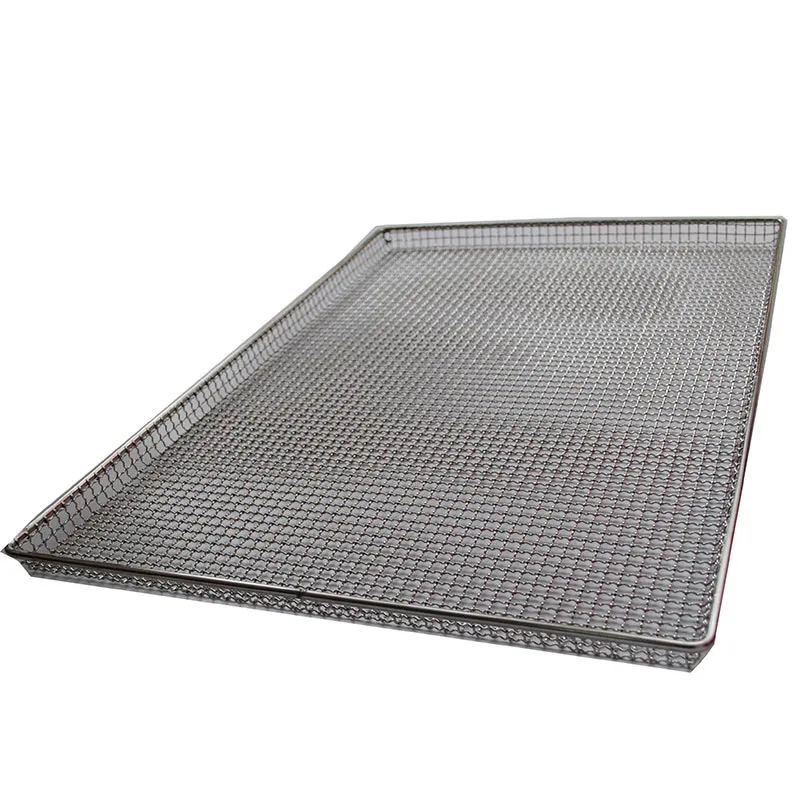
The performance of any industrial tray hinges critically on its technical specifications and the judicious selection of materials. For a high-performance wire mesh cooking tray, material choice is paramount, dictating resistance to corrosion, high temperatures, and mechanical stress. The most commonly specified materials include:
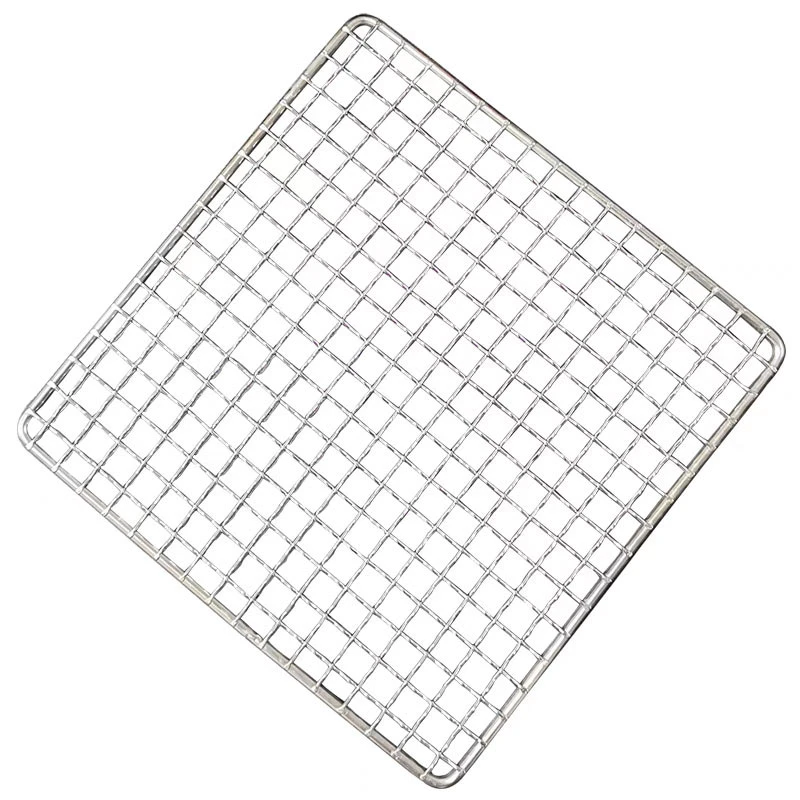
Mesh configurations are equally critical, influencing airflow, product support, and cleanability. Common types include square mesh, rectangular mesh, and more specialized Dutch weave for fine filtration. Wire diameters range from 0.8mm to 6mm, with finer wires offering higher mesh counts and coarser wires providing greater structural rigidity. Frame designs vary from simple welded frames to reinforced rolled edges, enhancing tray integrity and preventing deformation under load. Surface finishes like electropolishing are often applied to achieve a smooth, passive, and hygienic surface, critical for reducing microbial adhesion and improving corrosion resistance. This level of detail ensures that each stainless steel wire basket tray is optimized for its intended function.
| Parameter | Specification |
|---|---|
| Product Name | Custom Wire Mesh Tray For Baking And Drying |
| Material Grades | Stainless Steel 304, 316, 316L, 310S; Inconel 600, 625, 800H/HT |
| Mesh Type | Square Mesh, Rectangular Mesh, Custom Weave |
| Mesh Aperture | 1mm x 1mm to 50mm x 50mm (or specified to client needs) |
| Wire Diameter | 0.8mm to 6.0mm (gage specific to load requirements) |
| Frame Construction | Reinforced Welded Frame, Rolled Edge, Rod Frame |
| Dimensions | Customizable; standard sizes range from 300x400x30mm to 1000x1200x100mm |
| Temperature Resistance | Up to 1150°C (depending on material: SS304 up to 870°C, SS310S up to 1150°C) |
| Surface Finish | Mill Finish, Electrolytic Polishing, Passivation |
| Load Capacity | Varies significantly by design and material (typically 5kg to 100kg per tray) |
| Compliance | FDA (food contact), ISO 9001, ASTM (material standards) |
The production of a high-quality metal mesh tray involves a meticulous process flow, integrating advanced manufacturing techniques with rigorous quality control. This systematic approach ensures superior product performance, durability, and compliance with industry standards. Our manufacturing process, from raw material to finished product, is designed for precision and efficiency.
Selection of certified raw materials (e.g., specific grades of stainless steel wire coils) meeting international standards like ASTM A276. Wires undergo stringent checks for chemical composition and mechanical properties before being prepared for weaving or welding.
For woven mesh, advanced loom machines create precise patterns. For welded mesh, resistance welding machines ensure strong, consistent fusion points, crucial for the structural integrity of the wire mesh basket tray. This stage is critical for achieving specified mesh apertures and wire spacing.
The mesh panels are cut to exact dimensions using CNC laser cutting or plasma cutting for high precision. Forming operations, such as bending edges or corners, are performed using hydraulic press brakes, ensuring accurate tray profiles.
The cut mesh is then framed with solid rods or profiles to provide structural rigidity. Welding techniques, including TIG (Tungsten Inert Gas) and MIG (Metal Inert Gas) welding, are employed for strong, clean joints, preventing warpage and ensuring long-term durability, especially under high load or temperature cycles.
Depending on application, trays may undergo electropolishing for a smooth, burr-free, and highly corrosion-resistant surface, crucial for hygiene. Passivation treatments enhance the naturally occurring passive layer of stainless steel, further improving corrosion resistance and longevity.
Each tray undergoes stringent quality checks: dimensional accuracy, weld integrity (visual and dye penetrant testing), surface finish, and load-bearing capacity tests. Compliance with ISO 9001:2015 is maintained throughout, ensuring products meet or exceed customer and industry standards like ANSI.
This rigorous process guarantees a long service life, often exceeding 10 years in typical industrial environments, and provides significant advantages such as energy saving through optimized airflow, and superior corrosion resistance, critical for target industries like petrochemical, metallurgy, water supply & drainage, and food processing.
The strategic design and material selection for modern wire mesh trays offer a plethora of technical advantages over traditional solid or perforated sheet metal alternatives, directly impacting operational efficiency, product quality, and cost-effectiveness. These advantages are particularly evident in critical processes such as baking, drying, sterilization, and material handling.
The versatility and robust characteristics of industrial wire mesh trays make them indispensable across a broad spectrum of B2B applications. Their design optimizes critical processes, from thermal treatment to material handling, ensuring product integrity and operational efficiency.
A large industrial bakery faced challenges with uneven baking and extended cooling times for its specialty bread products, using solid sheet trays. By implementing custom-designed wire mesh cooking tray units made from food-grade SS304, Jinzehong helped the client achieve a 18% reduction in overall baking time due to significantly improved convection. The open design also expedited cooling by 25%, allowing for faster packaging cycles. This led to an estimated 12% energy saving in their high-volume ovens and reduced product wastage by 5% through more uniform baking.
A leading pharmaceutical manufacturer required trays for drying temperature-sensitive pharmaceutical powders, demanding extreme hygiene and precise airflow. We engineered custom SS316L metal mesh tray with an electropolished finish and specific fine mesh aperture. The new trays not only met stringent FDA compliance but also improved drying uniformity by eliminating 'clumping' prevalent with previous solid trays. This resulted in a 30% reduction in drying cycle variance and a significant decrease in batch reprocessing, directly enhancing production throughput and regulatory compliance.
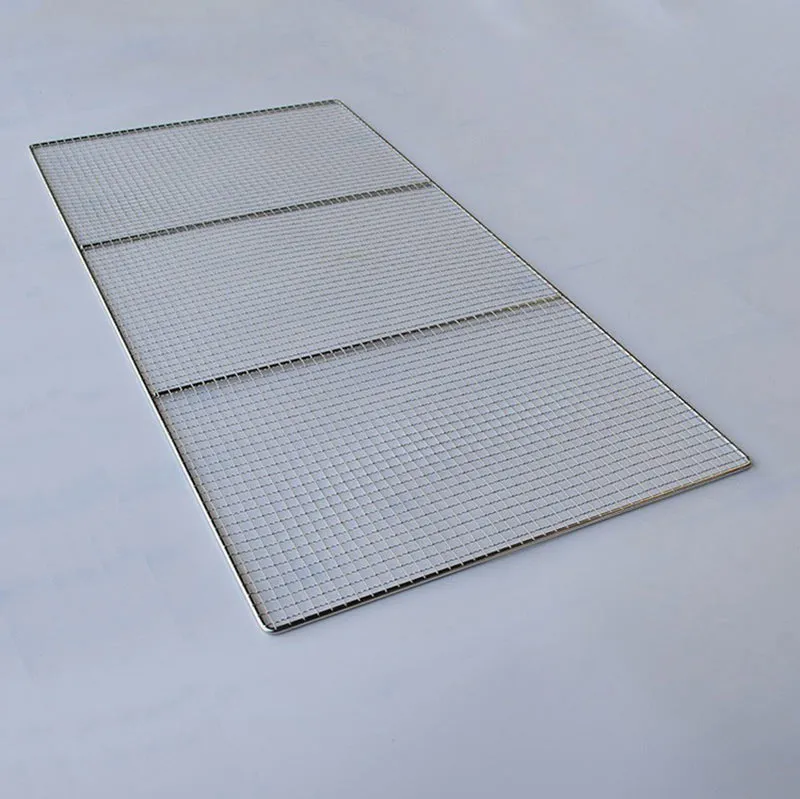
Selecting the right manufacturer for industrial wire mesh trays is a critical decision that impacts product quality, operational efficiency, and long-term cost of ownership. Beyond initial price, B2B buyers must evaluate several key parameters to ensure they partner with a vendor capable of delivering high-performance, reliable, and compliant solutions.
| Feature | Jinzehong Wire Mesh | Competitor A (Large Scale) | Competitor B (Niche) |
|---|---|---|---|
| Material Quality & Traceability | Certified, full traceability (MTRs available) | Generally certified, limited traceability | Good, but inconsistent certifications |
| Customization Capabilities | Extensive (CAD design, prototyping, diverse materials & finishes) | Standard customizations, slower prototyping | Limited to their specific product range |
| Manufacturing Precision | High (CNC, Laser, TIG welding, ISO 9001) | Good, volume-focused, occasional variance | Variable, depending on batch size |
| Lead Time (Average Custom Order) | 3-5 weeks (expedited options available) | 6-8 weeks (standard) | 4-7 weeks |
| Compliance & Certifications | ISO 9001, FDA (where applicable), ASTM, rigorous internal QC | ISO 9001, basic material compliance | ISO 9001 (some products) |
| After-Sales Support | Dedicated technical support, 24/7 online assistance, warranty | Standard support during business hours | Limited, often dependent on small team availability |
Jinzehong stands out through its unwavering commitment to material quality, precision engineering, and comprehensive customization options. Our structured quality assurance protocols and responsive customer support ensure that every wire mesh basket tray delivered meets the highest standards for performance and reliability.
In the complex landscape of B2B operations, off-the-shelf solutions rarely provide optimal performance for every unique processing challenge. This is particularly true for industrial trays, where specific dimensions, load capacities, environmental conditions, and product handling requirements necessitate bespoke designs. Jinzehong specializes in delivering highly customized wire mesh cooking tray solutions, engineered to integrate seamlessly into existing systems and enhance specific operational parameters.
Our customization process begins with an in-depth consultation to thoroughly understand the client's precise needs, including:
Following this initial assessment, our engineering team leverages advanced CAD software to develop detailed design proposals, incorporating precise mesh configurations, wire diameters, frame reinforcements, and specialized features such as stacking lugs, handles, or integrated dividers. We offer a wide array of material options, from various grades of stainless steel (304, 316, 316L, 310S) to high-performance nickel alloys, ensuring the optimal material for corrosion resistance and temperature stability. Surface finishes, including electropolishing and passivation, are also tailored to meet specific hygiene and non-stick requirements. Prototyping and iterative design refinement are integral parts of our process, allowing clients to validate the solution before full-scale production, guaranteeing a perfect fit and superior performance.
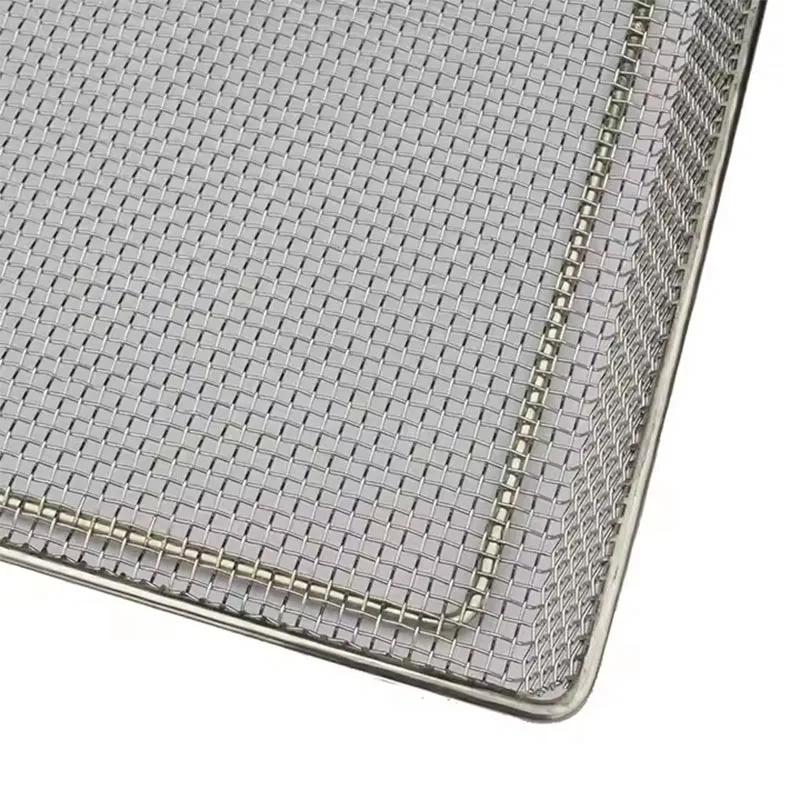
Authoritativeness and trustworthiness are built upon a foundation of stringent quality control and verifiable certifications. Jinzehong is committed to delivering products that not only meet but exceed industry benchmarks. Our quality assurance framework is integral to every stage of production, from raw material sourcing to final inspection.
With over two decades of specialized experience in wire mesh fabrication, Jinzehong has built a reputation for reliability and excellence. Our long-standing partnerships with industry leaders in food, pharma, and chemical sectors underscore our proven capability to deliver high-performance, compliant solutions consistently.
For B2B clients, the reliability of a supplier extends beyond product quality to encompass the entire customer journey, from order placement to post-purchase support. Jinzehong is committed to fostering trust through transparent processes, clear commitments, and responsive service.
We understand that timely delivery is crucial for maintaining production schedules. Our lead times are optimized for efficiency without compromising quality:
Every metal mesh tray from Jinzehong is backed by a comprehensive warranty, reflecting our confidence in our manufacturing quality and material integrity:
Our relationship with clients extends far beyond the point of sale. We provide proactive and reactive support to ensure long-term satisfaction and operational continuity:
A: We primarily offer trays in various grades of stainless steel (SS304, SS316, SS316L, SS310S) and specialized nickel alloys (e.g., Inconel, Hastelloy) for extreme conditions. Material selection depends on your application's specific requirements for corrosion resistance, temperature, and hygiene.
A: The ideal mesh size depends on the particle size of the product being processed to ensure adequate support and airflow without loss. Wire diameter is chosen based on required load capacity and desired rigidity. Our technical sales team can assist you in selecting the optimal configuration based on your specific product and process.
A: Our stainless steel trays are designed for easy cleaning. They can be cleaned using standard industrial detergents, high-pressure hot water, or steam. For critical hygiene applications, electropolished trays allow for superior cleanability and can withstand common sterilization methods. Avoid abrasive cleaners that can damage the surface finish.
A: Yes, depending on the material. Stainless steel 304 can withstand up to 870°C, while SS310S and advanced nickel alloys are suitable for continuous service up to 1150°C and even higher intermittently. We recommend specifying the exact temperature requirements for optimal material selection.
A: With proper material selection for the application and regular maintenance, our wire mesh trays are engineered for exceptional durability. Many of our trays achieve a service life of 10-15 years, and even longer, in demanding industrial environments, significantly reducing total cost of ownership.
The modern industrial landscape demands components that are not only robust but also precisely engineered to enhance operational efficiency, ensure product integrity, and comply with rigorous industry standards. The advanced wire mesh cooking tray stands as a testament to this demand, offering unparalleled advantages in terms of heat transfer, corrosion resistance, durability, and hygiene across diverse B2B applications.
By choosing a partner like Jinzehong, with a deep commitment to quality materials, cutting-edge manufacturing processes, comprehensive customization capabilities, and unwavering customer support, businesses can optimize their production processes, reduce downtime, and achieve superior product outcomes. Our expertise, experience, authoritativeness, and trustworthiness ensure that every tray we deliver is a solution built for lasting value and performance.
Hit enter to search or ESC to close