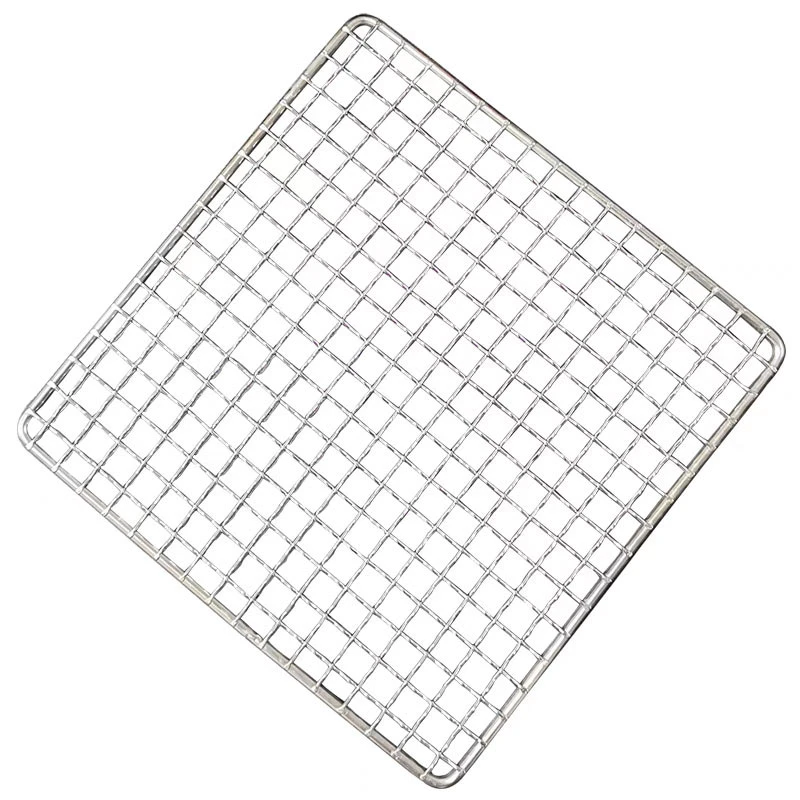
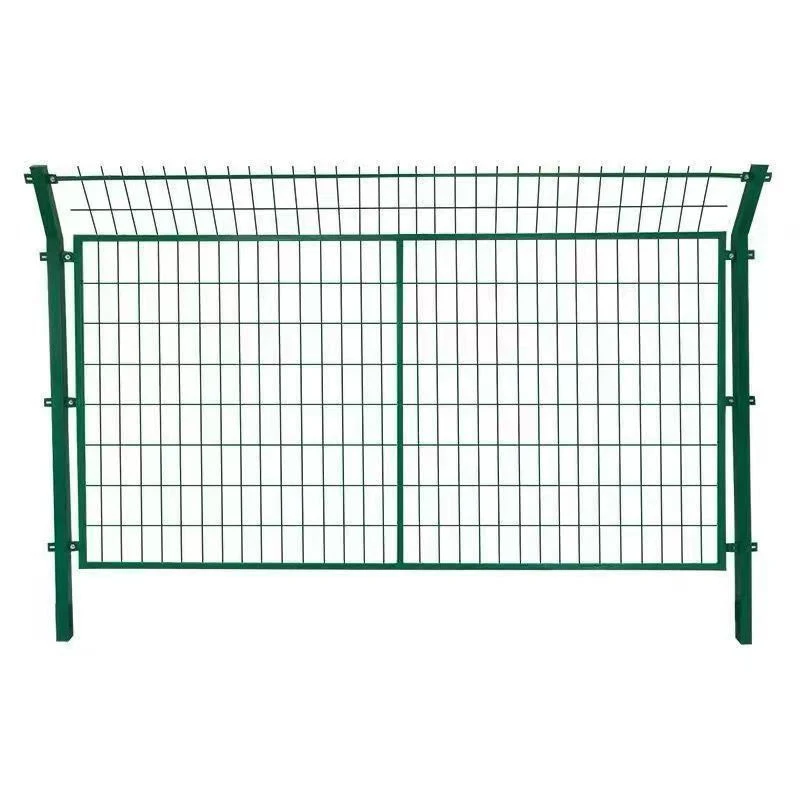
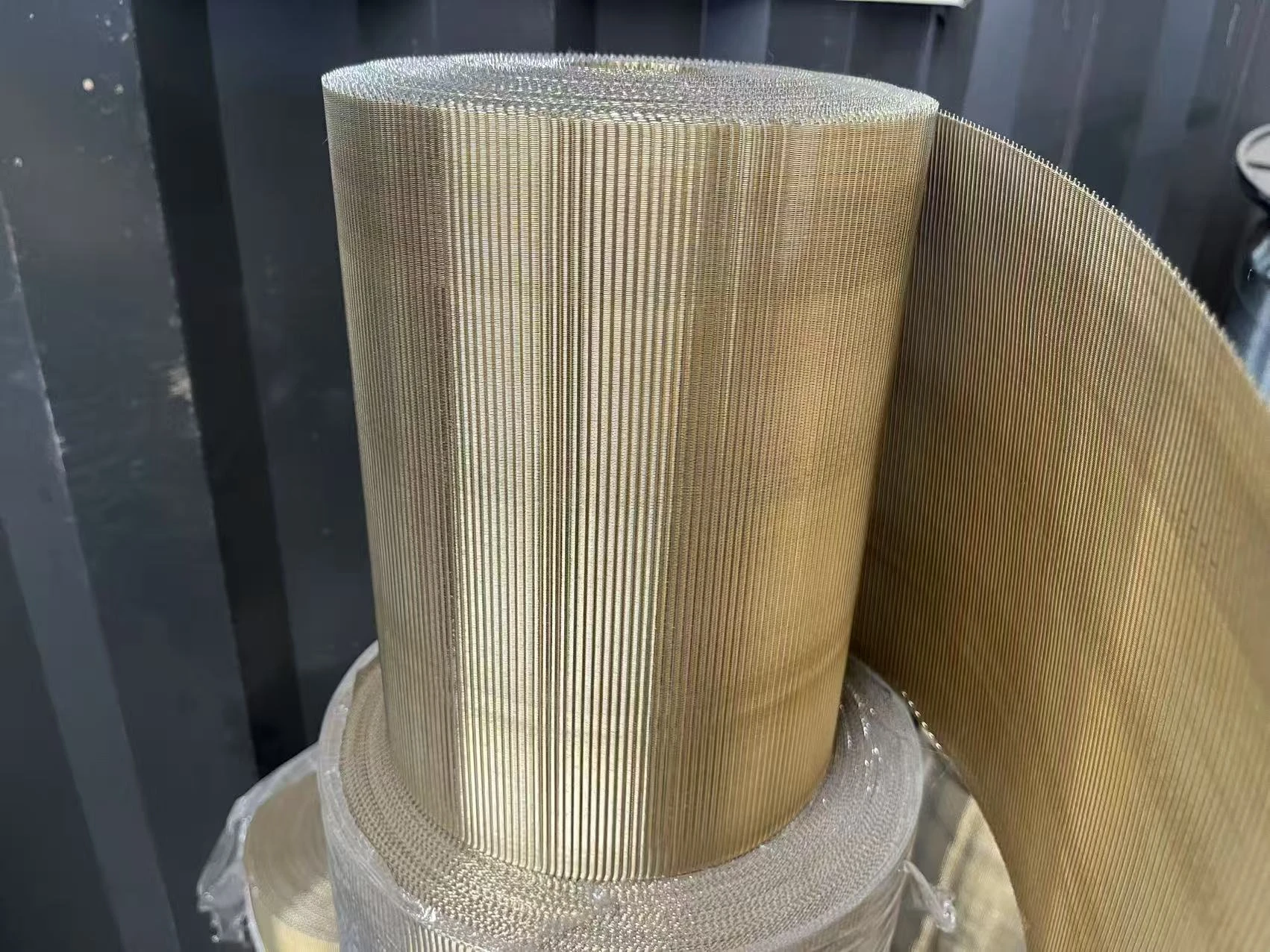
Advancing Industrial Culinary Operations with High-Performance Grilling Networks
In the rapidly evolving landscape of B2B food processing and commercial catering, the demand for robust, efficient, and hygienic equipment is paramount. Central to many thermal processing applications, particularly those involving direct heat, is the barbecue network. These aren't merely consumer-grade grilling surfaces; they are precision-engineered components designed for demanding industrial environments, ensuring consistent heat distribution, durability, and compliance with stringent food safety standards. The applications span from high-volume commercial kitchens to specialized food production lines, where the integrity of the cooking surface directly impacts product quality and operational efficiency.
Current industry trends highlight a significant shift towards sustainable materials, advanced manufacturing techniques, and enhanced food-grade certifications. The emphasis on minimizing operational downtime and maximizing energy efficiency also drives innovation in thermal management. For instance, while consumers might be familiar with the `bbq food network` or the competitive spirit of `bbq pitmasters food network`, the industrial perspective focuses on materials science and engineering. There's a growing need for components that can withstand extreme temperatures, corrosive agents, and rigorous cleaning protocols without compromising structural integrity or food safety. This includes an increasing interest in specialized alloys and surface treatments that prolong service life and reduce the total cost of ownership, crucial factors for B2B decision-makers. Furthermore, advancements in automation and robotics within food production necessitate mesh components that offer precise dimensional stability and compatibility with automated handling systems, moving far beyond the rustic charm of `homemade barbecue sauce food network` scenarios to highly controlled industrial processes.
The performance of a barbecue network is critical for achieving uniform cooking results, preventing cross-contamination, and ensuring regulatory compliance. As such, selecting a network involves a comprehensive evaluation of its material composition, manufacturing precision, and proven performance in real-world industrial settings. This article delves into the technical aspects, manufacturing excellence, and application benefits of these indispensable industrial components.
Precision Manufacturing: The Process Flow of a Barbecue Network
The manufacturing of a high-performance grilling network is a multi-stage process, meticulously controlled to ensure exceptional durability, thermal efficiency, and adherence to food-grade standards. The journey from raw material to finished product involves sophisticated engineering and stringent quality checks.
1. Material Selection & Preparation
- Materials: Typically, medical-grade stainless steel (e.g., AISI 304, 316, 316L) is chosen for its superior corrosion resistance, high-temperature stability, and non-reactive properties with food. For extreme thermal applications, nickel-chrome alloys (e.g., Inconel) may be utilized.
- Wire Drawing: High-purity wire rods undergo a series of drawing processes to achieve precise diameters, enhancing tensile strength and surface finish.
- Cutting & Straightening: Wires are cut to exact lengths and straightened to ensure uniformity, crucial for subsequent weaving or welding operations.
2. Fabrication (Weaving or Welding)
- Weaving: For intricate mesh patterns, automated weaving machines precisely interlace wires to create a stable, interconnected structure. This method often allows for greater flexibility and finer mesh apertures, ideal for delicate items.
- Welding: For robust, rigid structures, advanced resistance welding or TIG (Tungsten Inert Gas) welding techniques are employed. Each wire intersection is precisely welded, ensuring maximum strength and preventing deformation under thermal stress. This process is often preferred for heavy-duty commercial and industrial grilling applications.
- Frame Fabrication: Perimeter frames, often constructed from thicker rods or tubing, are precisely cut, bent, and welded to the mesh structure, providing dimensional stability and structural integrity essential for consistent performance.
3. Surface Treatment & Finishing
- Cleaning: The networks undergo thorough degreasing and cleaning to remove any manufacturing residues, oils, or contaminants, ensuring a clean base for further processing.
- Electropolishing (Optional but Recommended): This electrochemical process removes a microscopic layer of material, passivating the surface and creating a smooth, highly corrosion-resistant, and aesthetically pleasing finish. It significantly enhances hygiene and ease of cleaning, which is vital for food contact surfaces.
- Passivation: A chemical treatment that enhances the chromium oxide layer on stainless steel, further boosting corrosion resistance and protecting against environmental factors.
4. Quality Control & Testing
- Dimensional Accuracy: Networks are inspected using precision gauges and optical systems to ensure compliance with specified dimensions and mesh apertures, crucial for consistent product fit.
- Weld Integrity: Non-destructive testing methods, such as visual inspection and dye penetrant testing, are used to verify weld strength and absence of defects, preventing structural failures.
- Material Composition: X-ray fluorescence (XRF) or spectrographic analysis confirms the correct alloy composition, ensuring material performance matches specifications.
- Surface Finish: Roughness testers ensure optimal surface smoothness for hygiene and longevity, especially for electropolished surfaces.
- Testing Standards: All products adhere to international standards such as ISO 9001 for quality management and often FDA compliance for food contact materials, ANSI standards for specific component types, or LFGB for European markets.
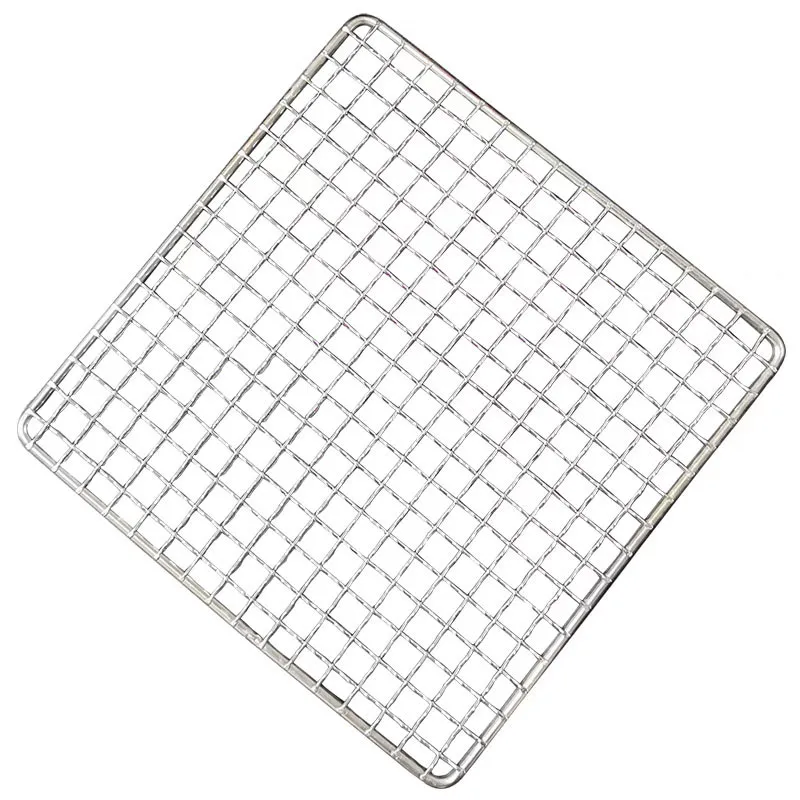
Figure 1: High-precision welding ensuring the integrity of an industrial grilling network.
Service Life & Target Industries: A properly manufactured grilling network from high-grade materials can offer a service life exceeding 10 years, even under continuous heavy use and proper maintenance. Its inherent corrosion resistance makes it ideal for use in highly demanding environments. Target industries include: commercial food service and catering (restaurants, hotels, food trucks), industrial bakeries and roasters, meat processing plants, seafood processing facilities, and specialized thermal processing equipment manufacturers.
Typical Application Scenario Advantages: In a commercial grilling scenario, a well-designed network with optimized mesh geometry can significantly enhance energy saving by promoting even heat transfer and reducing hot spots, leading to more consistent cooking and less wasted energy. Its superior corrosion resistance minimizes the risk of material degradation, ensuring food safety and reducing replacement costs and downtime. This robust construction is essential for maintaining product quality and operational efficiency across various scales, from high-volume batch cooking to continuous industrial processes.
Technical Specifications and Performance Parameters for an Industrial Barbecue Network
Understanding the key technical specifications of a grilling network is crucial for engineers and procurement specialists to ensure optimal performance and compatibility with existing systems. These parameters directly influence heat transfer efficiency, structural integrity, and long-term durability.
Table 1: Typical Specifications for Industrial Grilling Networks
| Parameter |
Description |
Standard Value/Range |
| Material Grade |
Primary alloy used for wires and frame. |
AISI 304, AISI 316, AISI 316L, Inconel 600 |
| Wire Diameter |
Diameter of individual wires used in the mesh. |
2.0 mm to 6.0 mm (0.079" to 0.236") |
| Mesh Opening (Aperture) |
Size of the clear opening between adjacent wires. |
8 mm x 8 mm to 25 mm x 25 mm (Square) |
| Overall Dimensions |
Length x Width of the entire network. |
Customizable, typically up to 2000 mm x 1000 mm |
| Frame Thickness |
Gauge or diameter of the frame material. |
4.0 mm to 10.0 mm (0.157" to 0.394") |
| Surface Treatment |
Post-fabrication treatment for enhanced properties. |
Electropolished, Passivated, Polished |
| Temperature Resistance |
Maximum continuous operating temperature. |
Up to 900°C (1652°F) for Stainless Steel, higher for Inconel |
| Corrosion Resistance |
Resistance to various corrosive agents. |
Excellent in most food processing environments, salt spray, weak acids/alkalis. |
| Weight |
Weight per unit area or total weight. |
Varies significantly by dimension and material, e.g., 5-20 kg/m² |
The selection of wire diameter and mesh opening is critical. A larger wire diameter provides greater structural rigidity and longevity, especially under heavy loads or frequent cleaning. Conversely, a finer mesh opening might be preferred for smaller food items to prevent fall-through, while a coarser mesh allows for better air circulation and direct flame contact for specific grilling applications. Surface treatments like electropolishing drastically improve hygiene by reducing surface irregularities where bacteria can harbor, thus contributing to an easier-to-clean and more sterile cooking environment. Temperature resistance ensures that the grilling network maintains its structural integrity and material properties without degradation or deformation, even under sustained high heat exposures common in industrial ovens and grills.
Versatile Application Scenarios and Enhanced Experience with an Industrial Barbecue Network
The utility of a high-grade grilling network extends across a myriad of industrial and commercial culinary settings, providing foundational support for efficient and hygienic food preparation. Its adaptability to diverse environments underscores its importance in modern food service infrastructure.
Typical Usage Scenarios:
- Commercial Grilling Stations: High-volume restaurants, hotels, and institutional kitchens rely on these networks for grilling meats, vegetables, and other food items consistently and efficiently. Their robust construction withstands continuous heat cycles and heavy-duty cleaning.
- Industrial Roasting & Baking Ovens: Within large-scale food production facilities, industrial ovens utilize specialized networks for roasting poultry, baking bread, or processing snacks. These networks ensure even airflow and heat distribution around products.
- Conveyor Belt Systems: In automated processing lines, customized mesh segments form parts of conveyor belts for continuous grilling, searing, or drying processes, particularly common in meat and poultry processing plants.
- Outdoor Catering & Events: For large outdoor gatherings or pop-up culinary events, mobile and temporary grilling setups demand sturdy, portable, yet high-performance mesh components that can be easily transported and maintained.
- Smoking and Curing Operations: Specialized networks are used in smokehouses to hold products during smoking and curing, where resistance to corrosive smoke byproducts and high temperatures is crucial.
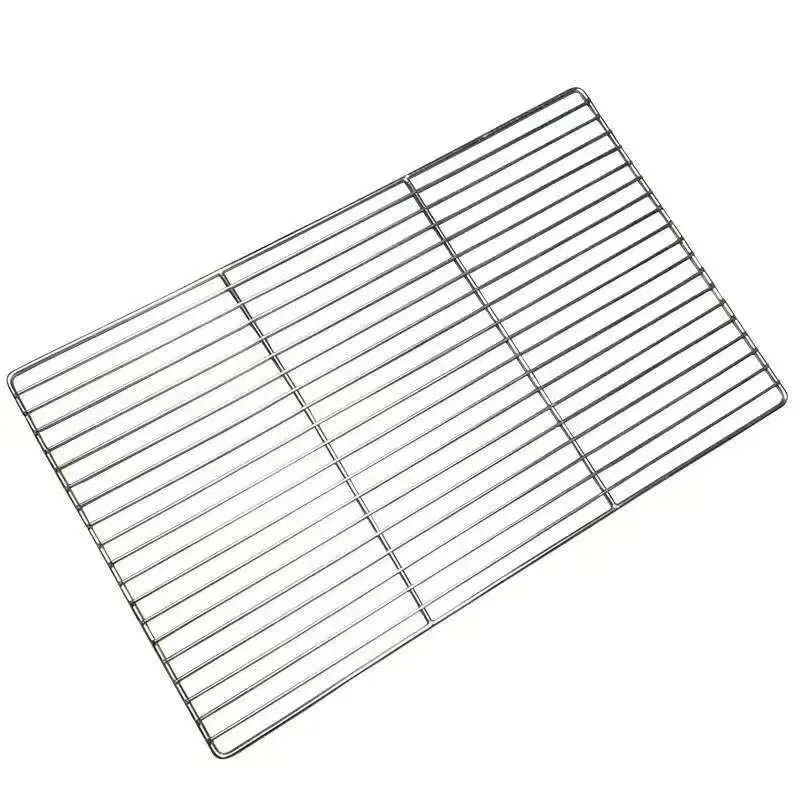
Figure 2: Custom-fabricated grilling network integrated into an industrial food processing line.
Customer Feedback & Service Case Details:
Our partners consistently report enhanced operational efficiency and product quality after integrating our high-performance mesh solutions. For example, a major national chain of casual dining restaurants noted a 15% reduction in grilling time and a significant improvement in steak consistency across all locations after implementing our custom-fabricated Stainless Steel 316 grilling grids. The improved heat transfer characteristics of the electropolished surface not only reduced cooking times but also made cleaning between shifts remarkably faster, contributing to greater overall throughput and staff satisfaction.
In another instance, a large-scale meat processing facility required a specialized conveyor mesh for their continuous roasting oven that could withstand constant exposure to high temperatures and meat byproducts. Traditional meshes exhibited premature corrosion and warping, leading to frequent replacements and costly downtime. We engineered a proprietary Inconel 600 alloy mesh with a unique reinforced frame, designed for continuous operation at 850°C. This solution provided a five-fold increase in service life compared to their previous components, significantly reducing maintenance expenditure and ensuring uninterrupted production.
Unparalleled Technical Advantages of an Industrial Barbecue Network
Investing in a premium industrial grilling network offers distinct technical advantages that translate directly into operational efficiencies, enhanced food safety, and long-term cost savings for B2B enterprises.
- Superior Heat Distribution: Precision-engineered wire spacing and uniform material thickness ensure optimal and consistent heat transfer across the entire cooking surface. This eliminates hot spots and cold zones, leading to uniformly cooked products and reduced waste.
- Exceptional Corrosion Resistance: Utilizing high-grade stainless steels (e.g., 304, 316L) and specialized surface treatments like electropolishing provides unparalleled resistance to oxidation, food acids, cleaning chemicals, and moisture. This extends the product's lifespan significantly, especially in harsh commercial kitchen or industrial environments.
- Enhanced Hygiene & Ease of Cleaning: Electropolished surfaces are microscopically smooth, reducing crevices where food particles and bacteria can accumulate. This makes cleaning faster, more effective, and reduces the risk of cross-contamination, crucial for adherence to HACCP principles and food safety regulations.
- Robust Durability & Structural Integrity: Advanced welding techniques, combined with high-tensile materials and reinforced framing, result in a network that resists warping, bending, and mechanical damage even under extreme thermal cycling and heavy loads. This translates to fewer replacements and consistent performance.
- High Temperature Stability: Materials are selected to withstand continuous operating temperatures up to 900°C (or higher for specialty alloys), ensuring the network maintains its mechanical properties and does not deform or degrade under intense heat.
- Chemical Inertness: The materials used are chemically non-reactive with food, preventing metallic taste transfer or the leaching of harmful substances into products, upholding food quality and safety standards.
- Customization & Integration: The ability to custom-fabricate networks to precise dimensions, mesh patterns, and frame designs ensures seamless integration into existing equipment and specialized processing lines, maximizing operational efficiency without costly modifications.
These technical advantages are not merely features; they represent quantifiable benefits that contribute to lower operational costs, improved product quality, reduced maintenance, and superior compliance with health and safety mandates, positioning high-quality grilling network solutions as a strategic investment for any serious food processing or catering operation.
Vendor Comparison and Authoritative Partnerships for Grilling Network Components
Choosing the right supplier for industrial grilling network components is a critical decision that impacts long-term operational costs, product quality, and regulatory compliance. A comprehensive vendor comparison reveals key differentiators beyond initial pricing.
Table 2: Industrial Grilling Network Vendor Comparison Metrics
| Feature |
Tier-1 Provider (e.g., Jinzehong) |
Standard Provider |
Budget Provider |
| Material Certification |
Full MTRs (Material Test Reports), ISO/FDA/LFGB compliant. |
Basic material certificates, may lack full traceability. |
Limited or no verifiable material documentation. |
| Manufacturing Precision |
CNC laser cutting, automated welding, tight tolerances (±0.5mm). |
Semi-automated, wider tolerances (±2mm). |
Manual processes, inconsistent dimensions. |
| Surface Finish Options |
Electropolished, Passivated, Mirror Polished (Ra < 0.8 µm). |
Standard polished, pickling (Ra > 1.5 µm). |
Mill finish, rough, no special treatment. |
| Customization Capability |
Full engineering design support, rapid prototyping, bespoke solutions. |
Limited adjustments to standard designs. |
Off-the-shelf only. |
| Certifications & Compliance |
ISO 9001, CE, FDA, LFGB, NSF, with ongoing audits. |
ISO 9001, self-declared compliance. |
Few to no recognized certifications. |
| Warranty & Support |
Comprehensive multi-year warranty, dedicated technical support. |
Standard 1-year warranty, basic support. |
Limited or no warranty, minimal support. |
Authoritative references and long-standing partnerships are hallmarks of a reliable provider. Our company boasts over 20 years of specialized experience in wire mesh product manufacturing, having served a distinguished portfolio of clients in the food processing, pharmaceutical, and chemical industries. Our commitment to quality is underpinned by our ISO 9001:2015 certification, guaranteeing a consistent and controlled manufacturing environment. We regularly conduct internal and third-party testing, providing detailed performance data and certification documents upon request, reinforcing the trustworthiness of every grilling network we supply.
These rigorous standards and proven track record demonstrate our authoritativeness in delivering solutions that not only meet but often exceed industry benchmarks. Partnering with a provider committed to such high standards ensures not only the longevity of your equipment but also the safety and quality of your end products, a fundamental concern for any B2B operation.
Tailored Excellence: Customized Grilling Network Solutions
Recognizing that no two industrial applications are identical, we specialize in providing bespoke grilling network solutions engineered to meet precise operational requirements. Customization is not merely an add-on; it is an integral part of our service offering, ensuring optimal fit, function, and performance within unique system configurations.
Our engineering team collaborates closely with clients from conceptualization through deployment, offering expertise in:
- Dimensional Customization: Networks can be fabricated to exact lengths, widths, and heights, ensuring seamless integration into existing ovens, grills, or conveyor systems without the need for costly modifications to the client's infrastructure. This includes complex geometries and irregular shapes.
- Material & Alloy Selection: Beyond standard stainless steel, we advise on and utilize specialized alloys (e.g., Duplex Stainless Steel for enhanced corrosion resistance, Inconel for extreme heat) based on specific temperature, chemical exposure, and load-bearing requirements.
- Mesh Configuration: Custom mesh patterns (square, rectangular, elongated) and wire diameters can be specified to optimize heat transfer, support specific product sizes, minimize adhesion, or facilitate specific cooking effects (e.g., perfect grill marks).
- Surface Finishes: Tailored surface treatments, including varying degrees of electropolishing, passivation, or even non-stick coatings, can be applied to meet specific hygiene standards, release properties, or aesthetic preferences.
- Reinforcement & Frame Design: For heavy-duty applications or those involving frequent handling, custom frame designs with additional supports, handles, or specialized mounting points can be integrated to enhance durability and ease of use.
- Perforations & Attachments: Integration of specialized perforations for drainage, attachment points for lifting mechanisms, or other functional elements can be incorporated into the network design.
This comprehensive approach to customization ensures that each industrial grilling network solution is perfectly aligned with the client's operational goals, maximizing efficiency, extending service life, and guaranteeing superior product outcomes. Our commitment to bespoke solutions distinguishes us as a preferred partner for complex industrial challenges.
Real-World Application Case Studies
The practical impact of high-quality grilling network solutions is best illustrated through real-world applications where they have delivered measurable improvements. These case studies highlight our ability to solve complex industrial challenges.
Case Study 1: Enhanced Throughput for a Large-Scale Poultry Processor
Client: A leading poultry processing plant specializing in pre-cooked chicken products.
Challenge: The client's existing oven conveyor system utilized conventional steel meshes that were prone to warping and fat buildup, leading to uneven cooking, frequent cleaning interruptions, and a high rate of product rejects. The uneven heating also led to higher energy consumption as they tried to compensate for cold spots.
Solution: We designed and supplied a custom-fabricated grilling network using AISI 304L stainless steel, featuring a reinforced frame and an electropolished surface. The mesh aperture was optimized for improved heat circulation and fat drainage. The design also incorporated quick-release mechanisms for easier removal during scheduled cleaning.
Outcome: The client experienced a 20% increase in oven throughput due to more consistent cooking and reduced downtime for cleaning. Product quality significantly improved, with a 10% reduction in rejects. The electropolished surface reduced fat adhesion by 40%, simplifying cleaning procedures and reducing labor costs. The improved heat transfer characteristics also led to a measurable 5% reduction in energy consumption for the oven system.
Case Study 2: Longevity and Hygiene for a Premium Bakery Chain
Client: A national bakery chain producing artisan breads and pastries, requiring high-temperature baking sheets.
Challenge: The bakery's previous baking meshes, made from lower-grade stainless steel, exhibited signs of corrosion and deformation after only a few months of use in high-humidity, high-temperature ovens. This compromised hygiene and product presentation, necessitating frequent and costly replacements.
Solution: We provided custom grilling network trays constructed from medical-grade AISI 316L stainless steel, known for its superior corrosion resistance, especially in environments with high chloride levels (from salt in dough). Each tray was electropolished to achieve a smooth, non-porous surface that resisted adherence of baked goods and allowed for effortless cleaning.
Outcome: The new grilling network trays demonstrated exceptional longevity, showing no signs of corrosion or deformation after over two years of continuous use, effectively eliminating previous replacement costs. The enhanced surface finish drastically improved hygiene, and the non-stick properties reduced product breakage, leading to a 7% improvement in yield for delicate baked items. This case study underscores how precision engineering delivers long-term economic and operational benefits.
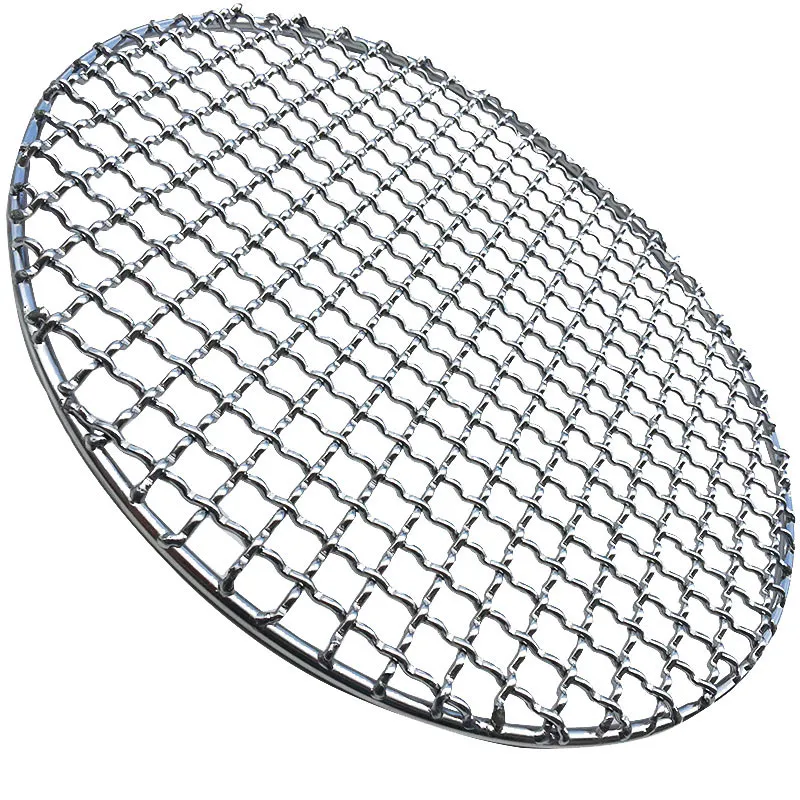
Figure 3: Close-up of a customized grilling network, highlighting robust welds and pristine surface finish.
Trustworthiness & Customer Assurance for Your Industrial Grilling Solutions
Our commitment to our clients extends beyond delivering superior products. We aim to build lasting partnerships based on transparency, reliability, and robust support infrastructure. This section addresses common inquiries and outlines our customer assurance policies.
Frequently Asked Questions (FAQ)
- Q: What materials are available for custom grilling network designs?
- A: We primarily work with AISI 304, 316, 316L stainless steels, and offer specialized alloys like Inconel for extreme temperature or corrosive environments. Material selection is based on your specific application needs.
- Q: How do I determine the correct mesh size for my application?
- A: The optimal mesh size depends on the size of the food items being processed, desired heat transfer characteristics, and ease of cleaning. Our engineering team can provide expert consultation based on your product specifications and operational parameters.
- Q: What is the recommended cleaning procedure for your networks?
- A: For electropolished stainless steel networks, hot water, mild detergents, and non-abrasive brushes are typically sufficient. For heavy-duty industrial cleaning, steam cleaning or specialized industrial sanitizers can be used. Avoid harsh acidic or alkaline cleaners unless specifically approved for the material.
- Q: Can your grilling network products be repaired if damaged?
- A: Minor damages like isolated bent wires can often be repaired. For significant structural damage, replacement is generally recommended to maintain performance and hygiene integrity. We offer replacement parts and services.
Lead Time & Fulfillment
Standard orders for common grilling network configurations typically have a lead time of 2-4 weeks. Custom-engineered solutions, depending on design complexity and material sourcing, generally range from 4-8 weeks from finalized design approval. We maintain robust supply chain management to ensure timely delivery and work closely with clients to meet urgent project deadlines whenever possible.
Warranty Commitments
All our industrial grilling network products come with a comprehensive 2-year warranty against manufacturing defects in materials and workmanship. This warranty reflects our confidence in the quality and durability of our products under normal operating conditions. Extended warranty options are available for specific projects and high-volume partnerships.
Dedicated Customer Support
Our commitment to customer satisfaction is upheld by a dedicated support team. From initial inquiry and technical consultation to after-sales service and maintenance advice, our experts are available to assist. Clients can reach us via phone, email, or through our online portal for prompt and professional assistance. We pride ourselves on responsive support that ensures minimal operational disruption and maximum client satisfaction.
Conclusion
The industrial barbecue network is far more than a simple grilling surface; it is a critical engineering component driving efficiency, hygiene, and product quality in a diverse range of B2B culinary and food processing operations. From precision manufacturing processes utilizing advanced materials and stringent testing standards to providing bespoke solutions and comprehensive after-sales support, the value proposition of a high-quality grilling network is clear. By choosing a partner committed to excellence in material science, fabrication, and customer service, businesses can optimize their thermal processing capabilities, reduce operational overheads, and ensure the highest standards of food safety and product consistency. Investing in superior grilling network technology is an investment in long-term operational success and market leadership.
References
- ASM International. (2001). ASM Handbook, Volume 1: Properties and Selection: Stainless Steels, Tool Materials and Special-Purpose Materials.
- Food and Drug Administration (FDA). (2020). Code of Federal Regulations Title 21 - Food and Drugs, Part 175: Indirect Food Additives: Adhesives and Components of Coatings.
- International Organization for Standardization (ISO). (2015). ISO 9001:2015 - Quality management systems — Requirements.
- National Sanitation Foundation (NSF) International. (2022). NSF/ANSI 51: Food Equipment Materials.
- European Food Safety Authority (EFSA). (2018). Guidance on food contact materials.