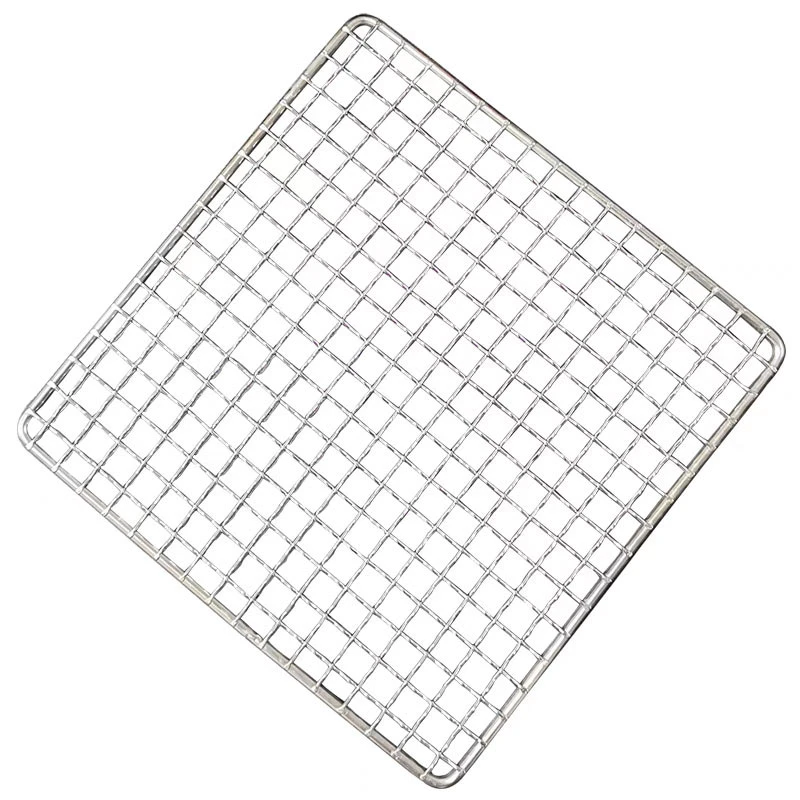
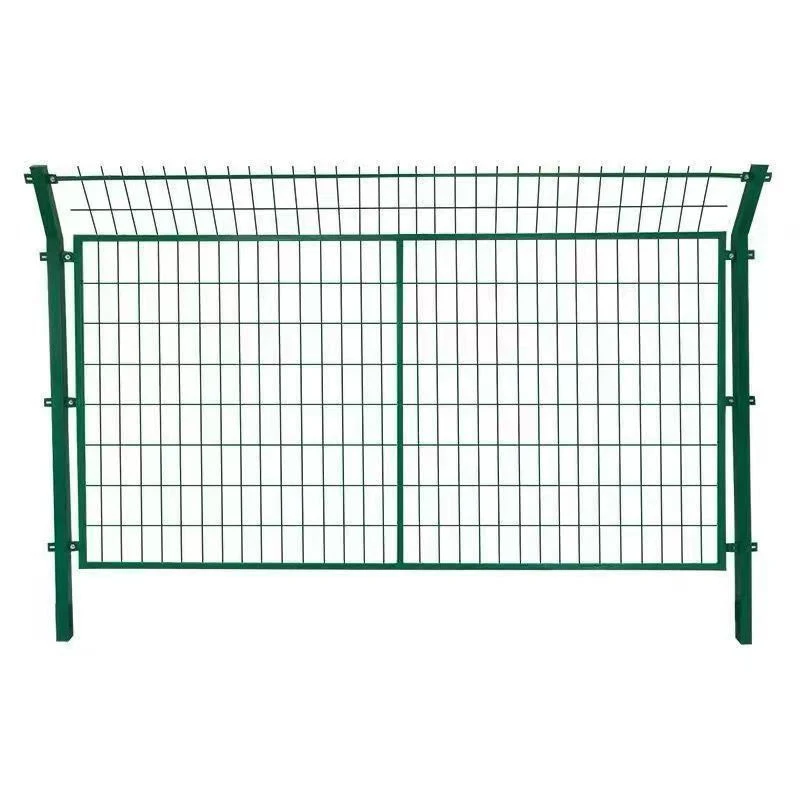
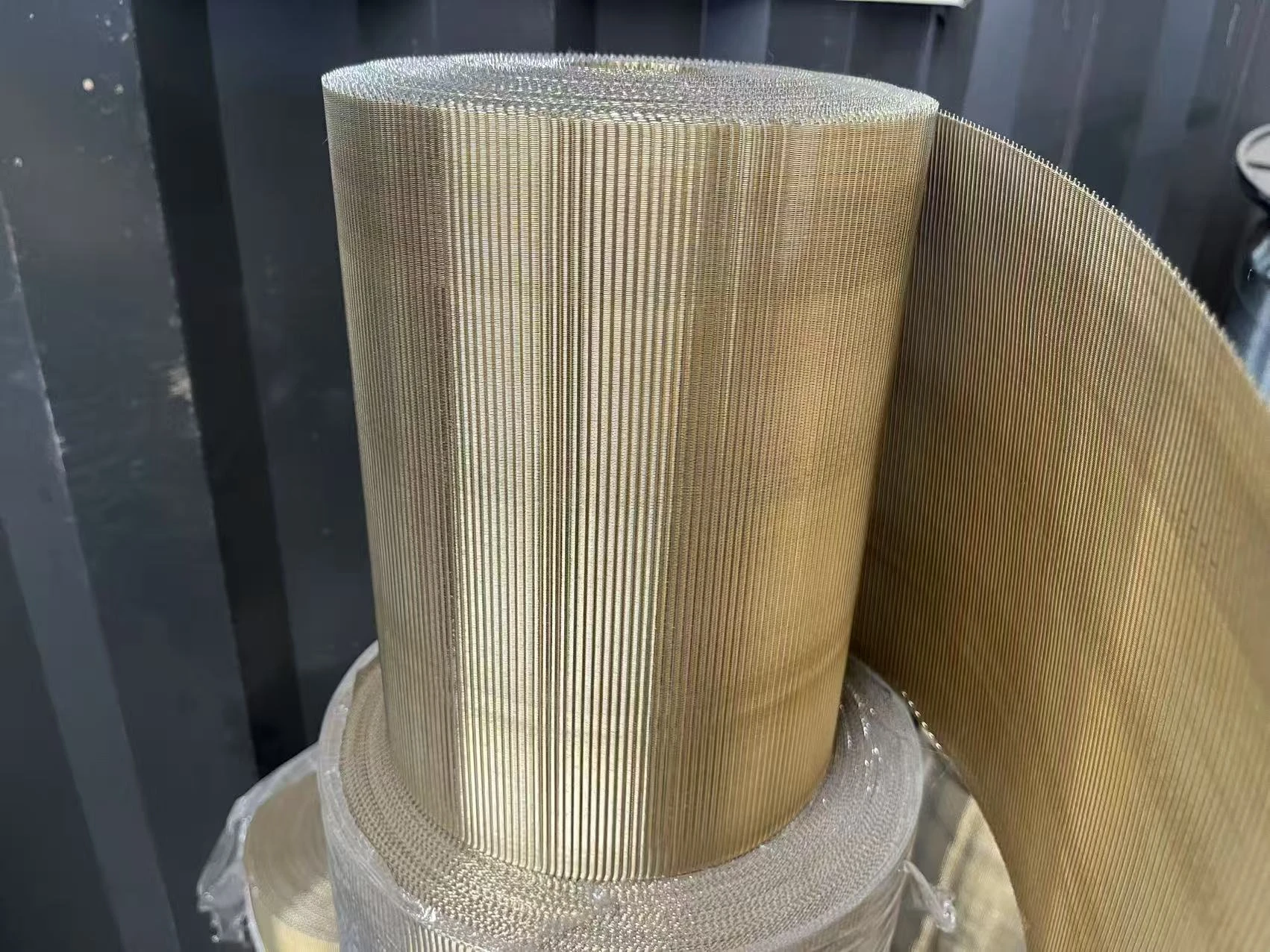
After a decade of walking factory floors in Anping, I’ve learned something simple: consistency beats flash. In defensive barriers, the quiet heroes are Q235 wire chemistry, weld integrity, and how the zinc layer holds up after a winter of freeze-thaw. That’s the heart of wire mesh processing, and it’s the difference between a clean install and a messy call-back when the flood peak arrives at 2 a.m.
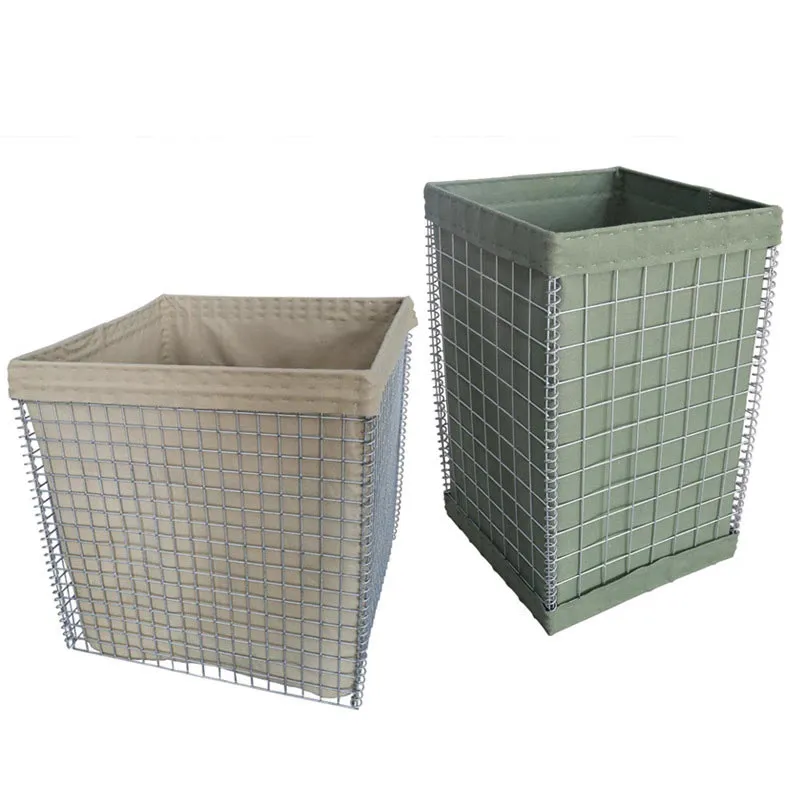
Product snapshot: Defensive barrier (modular, field-deployable)
Material: Q235 steel wire; Aperture: 76.2 × 76.2 mm; Wire Ø: 3–5 mm; Surface: Galvanized or “high-Valve” coating (vendor term). Typical use: fast bunkers, flood walls (swap sandbags), and live-sim training. Origin: South Road, 500 m North of Houzhangzhuang, Anping County, Hengshui, Hebei.
| Parameter |
Spec (≈/range) |
Notes (real-world use may vary) |
| Base wire |
Q235 per GB/T 700 |
Balanced strength/ductility for field bending |
| Aperture |
76.2 × 76.2 mm |
3 in mesh aids rapid fill, resists sloughing |
| Wire diameter |
3–5 mm |
Heavier gauges for higher blast or hydraulic loads |
| Coating |
Zn hot-dip or “high-Valve” |
Typical mass ≈ 275–600 g/m²; ISO 1461 reference |
| Salt-spray |
≥ 480–1000 h |
ASTM B117 lab result range |
| Service life |
≈ 10–20 yrs inland; 5–12 coastal |
Depends on coating, soil pH, abrasion |
Process flow that actually works
- Material prep: Q235 rod → pickling → wire drawing to Ø 3–5 mm
- Panel forming: resistance welding per ISO 14373; weld shear checks 2–3 per panel lot
- Surface: hot-dip galvanizing to ISO 1461 or Zn-coated wire per ASTM A641
- Cut, edge dressing, and panel squareness tolerance ≈ ±2 mm/m
- QC: coating thickness (mag gauge), adhesion bend test, random tensile per ASTM A370
- Packing: flat-pack modules with geotextile liners (optional), field fasteners, install guide
Industry trends (why it’s getting better)
We’re seeing heavier zinc on coastal projects, Zn–Al alternatives, and smarter joints that reduce field lash-up time by about 15%. Disaster-response buyers want modular kits that any volunteer can assemble. Defense buyers—no surprise—ask for repeatable weld quality and documentation. In short: wire mesh processing is moving from craft to traceable process.
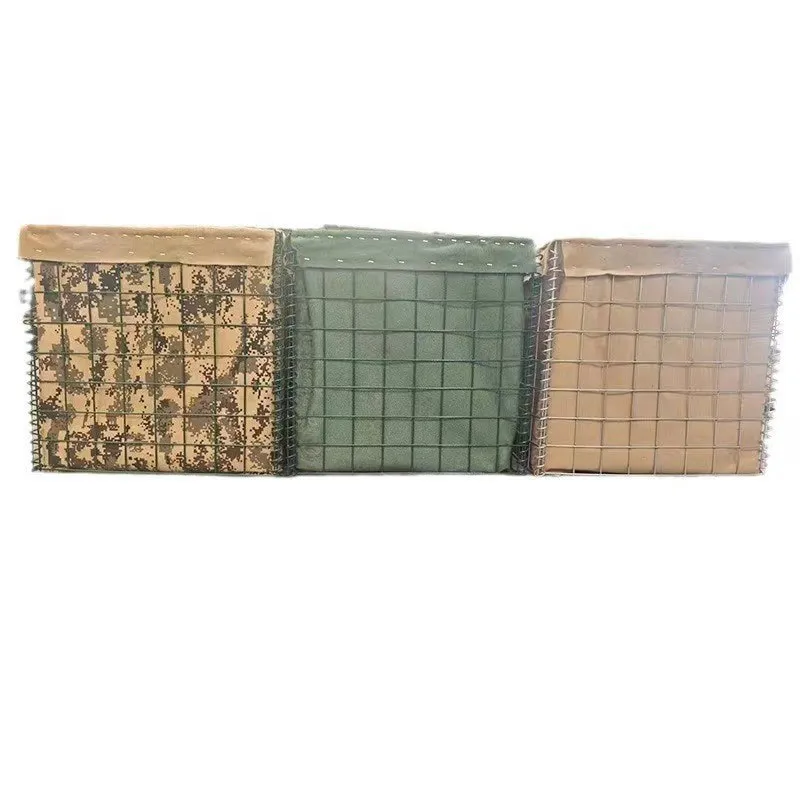
Where it’s used
- Flood control: rapid levees replacing sandbags on river bends
- Forward operating bases: perimeter walls, blast berms
- Critical infrastructure: substation shielding, temporary access berms
- Training grounds: realistic urban-defense layouts
Customer notes: “Two-person team set 120 m before dusk.” Another: “No popped welds after three repositions, which frankly surprised us.”
Vendor comparison (condensed)
| Vendor |
Location |
Lead time |
Coating |
Certs/Tests |
Notes |
| Jinzehong (Defensive barrier) |
Anping, Hebei |
≈ 7–15 days |
Galv / “high-Valve” |
ISO 9001; ASTM B117; ISO 1461 |
Tight aperture control; OEM support |
| Importer A |
Mixed (outsourced) |
≈ 20–35 days |
Varies |
Supplier-declared |
Check weld docs carefully |
| Local Fabricator B |
Regional |
≈ 10–25 days |
Hot-dip |
On-request |
Great for small runs |
Customization menu
Aperture, wire Ø, coating mass, panel height/length, corner stiffeners, liner fabric weight/color, and hardware kits. For harsh coastal sites, bump coating to the upper range and spec a geotextile with abrasion rating ≥ 600 cycles (Taber). That’s my two cents.
Two quick case notes
- Flood wall, Hunan: 1.2 km installed in 36 hours; no weld failures; post-event inspection showed coating loss
- Training base, MENA: 400 m perimeter; 5 mm wire spec; reconfigured three times—panels maintained squareness within ±3 mm.
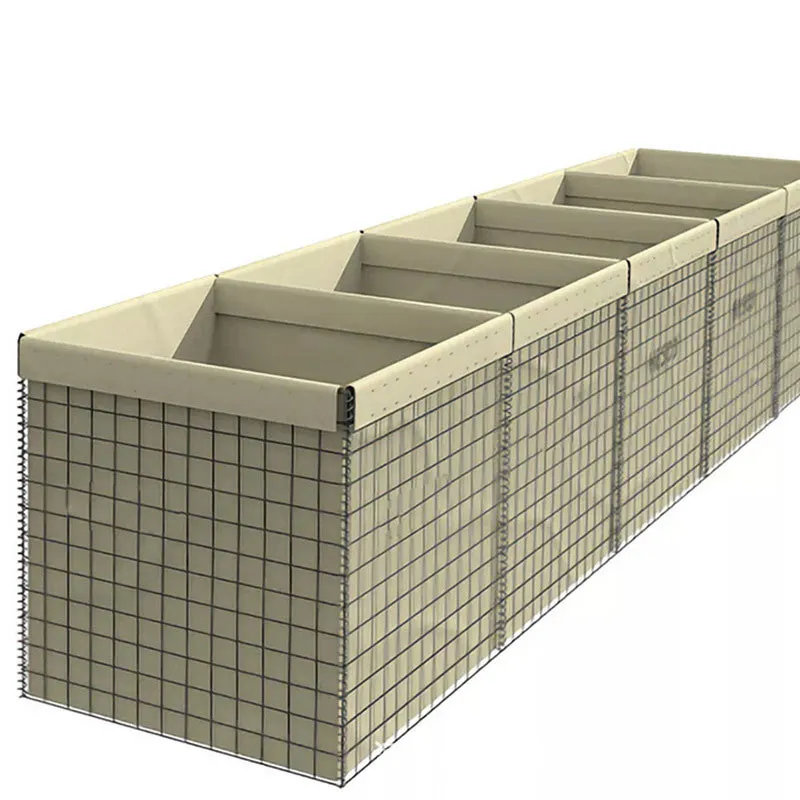
If you remember one thing, make it this: great wire mesh processing is traceable—chemistry certs, weld logs, coating thickness records. Everything else tends to follow.
Authoritative citations
- ASTM A641/A641M – Zinc-Coated (Galvanized) Carbon Steel Wire.
- ISO 1461 – Hot dip galvanized coatings on fabricated iron and steel articles.
- ISO 14373 – Resistance welding — Procedure and quality requirements.
- ASTM B117 – Standard Practice for Operating Salt Spray (Fog) Apparatus.
- GB/T 700 – Carbon Structural Steels (Q235).