Stainless Steel Mine Screens: field notes, specs, and what really matters on site
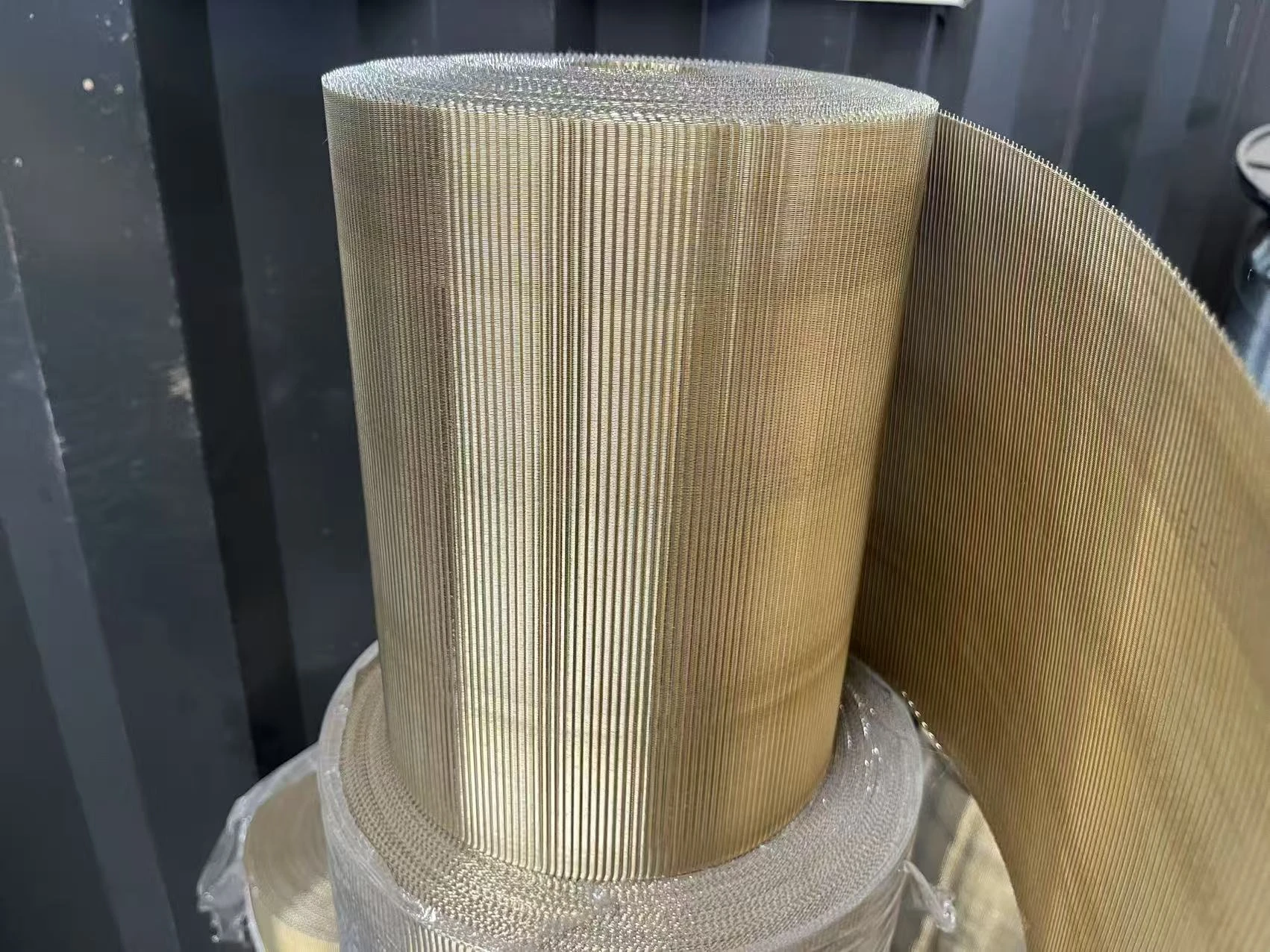
If you’ve spent time around a screening deck with slurry in your boots, you already know: the screen is the heartbeat. The Stainless Steel Mine Screen from Anping (yes, that Anping—the wire mesh capital) has been showing up in more plants I visit. To be honest, it’s not hype; corrosion and uptime are where stainless still pays for itself.
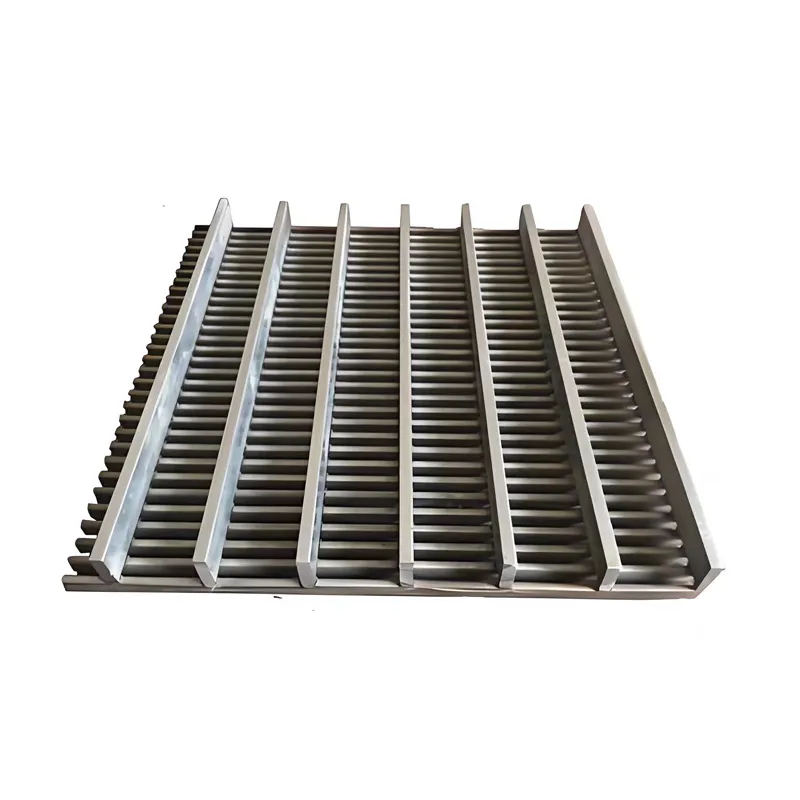
What’s new in the pit and the plant
Industry trend, quick take: more wet screening, finer cuts, and higher chlorides in process water. Plants are gravitating to 304/316 and even duplex 2205 wires; anti-peening crimps and tighter aperture tolerances are now expected. Modular change-outs and passivated surfaces are standard asks. Surprisingly, even small quarries are asking for traceable heat numbers and ISO certificates. It seems that “good enough” wire cloth is a thing of the past.
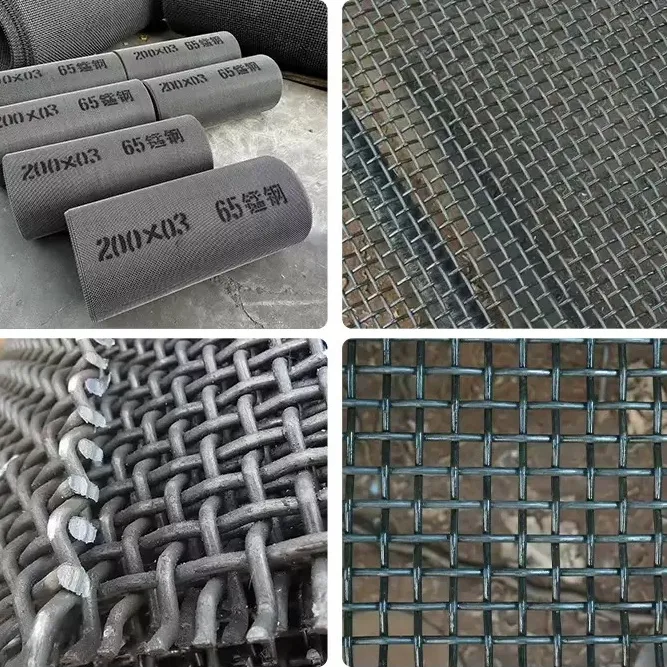
Technical snapshot (specs most buyers request)
| Material Grades |
SS304, SS316/316L, Duplex 2205 (others on request) |
| Aperture Range |
1.5–100 mm (≈), tolerance per ISO 9044 |
| Wire Diameter |
0.8–12 mm (application-driven) |
| Weave/Crimp Types |
Plain, Lock Crimp, Double Crimp, Flat-Top, Harp (self-cleaning) |
| Panel Size |
Up to 2.4×3.0 m; hooked edges, rubber/PU capping |
| Open Area |
35–68% (≈, depends on aperture/wire) |
| Service Life |
1.5×–3× carbon-steel cloth in wet, corrosive circuits (real-world use may vary) |
Process flow, condensed: selected rod per ASTM A580, drawing and crimping, precision weaving/welding, edge fabrication, pickling & passivation, dimensional and aperture verification (ISO 9044/ISO 4783-2), surface integrity check, and final fit-up test. I guess the quiet hero is passivation—it’s what keeps the screen clean longer.
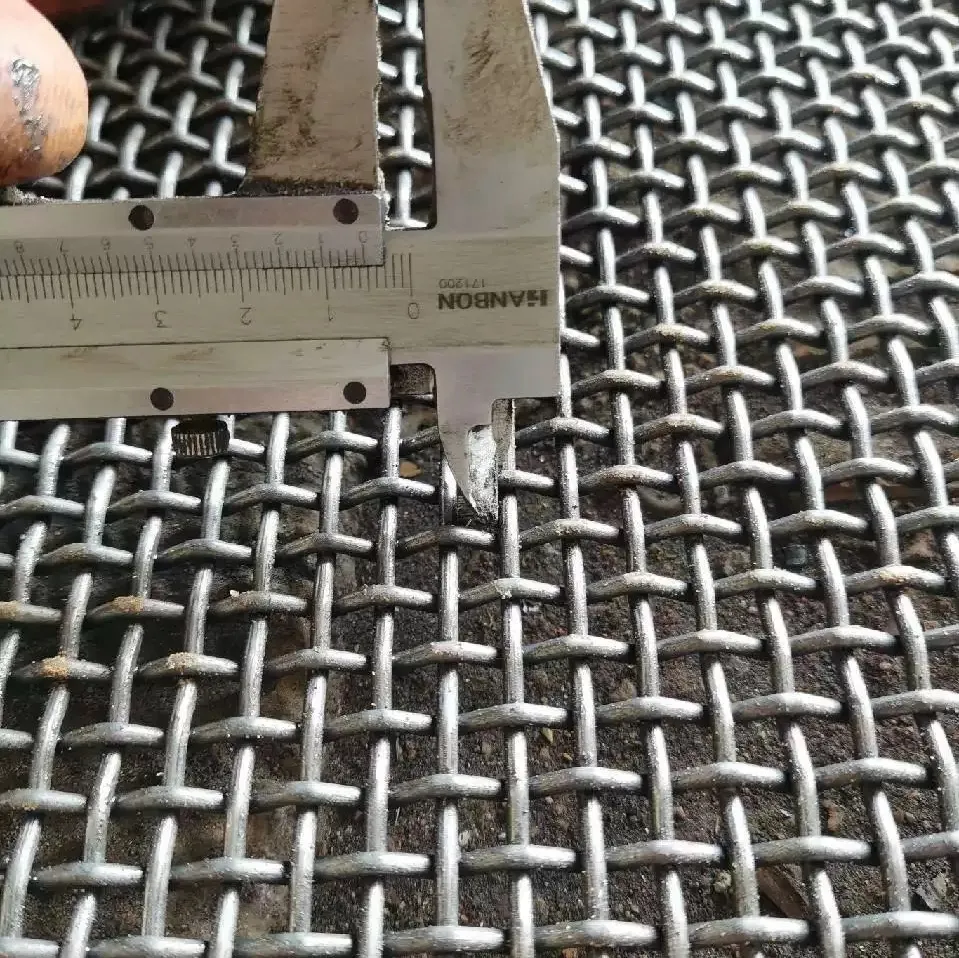
Where it shines
- Iron ore, gold, and copper wet separation lines
- Aggregates and sand plants needing Stainless Steel Mine Screen for fines control
- Coal prep with high-chloride recycle water
- Battery minerals (lithium, nickel) with aggressive slurries
Advantages: corrosion resistance, lower pegging (especially on harp/flat-top), stable cut-size, and easier wash-downs. Many customers say downtime between change-outs drops notably—sometimes by a shift per month, which maintenance teams actually notice.
Vendor comparison (field-level view)
| Vendor |
Certs/Standards |
Lead Time |
Customization |
Field Feedback |
| Jinzehong (Anping, South Road, 500 m North of Houzhangzhuang, Hengshui, Hebei) |
ISO 9001; ISO 9044; ASTM A580; material traceability |
2–4 weeks (≈) |
Aperture, crimp, hooks, PU/rubber edge |
Consistent aperture; good in wet circuits |
| Vendor A (Generic Import) |
Basic COA, partial ISO mention |
3–6 weeks |
Limited hook types |
Mixed tolerance control |
| Vendor B (Local Fabricator) |
ISO 9001 (shop only) |
1–3 weeks |
Fast but fewer alloys |
Great service, lifespan varies |
Note: real-world performance depends on ore abrasivity, pH, and spray pattern. Your mileage may vary.
Testing, data, and certifications
Typical QA includes aperture mapping (±3% target), wire diameter check (±2%), tensile per ASTM A580 class, and salt-spray screening (ASTM B117) for comparative corrosion. Plants often ask for ISO 9001 QMS and mill certs. For chloride-heavy circuits, duplex 2205 is recommended given NACE MR0175 considerations in aggressive media.
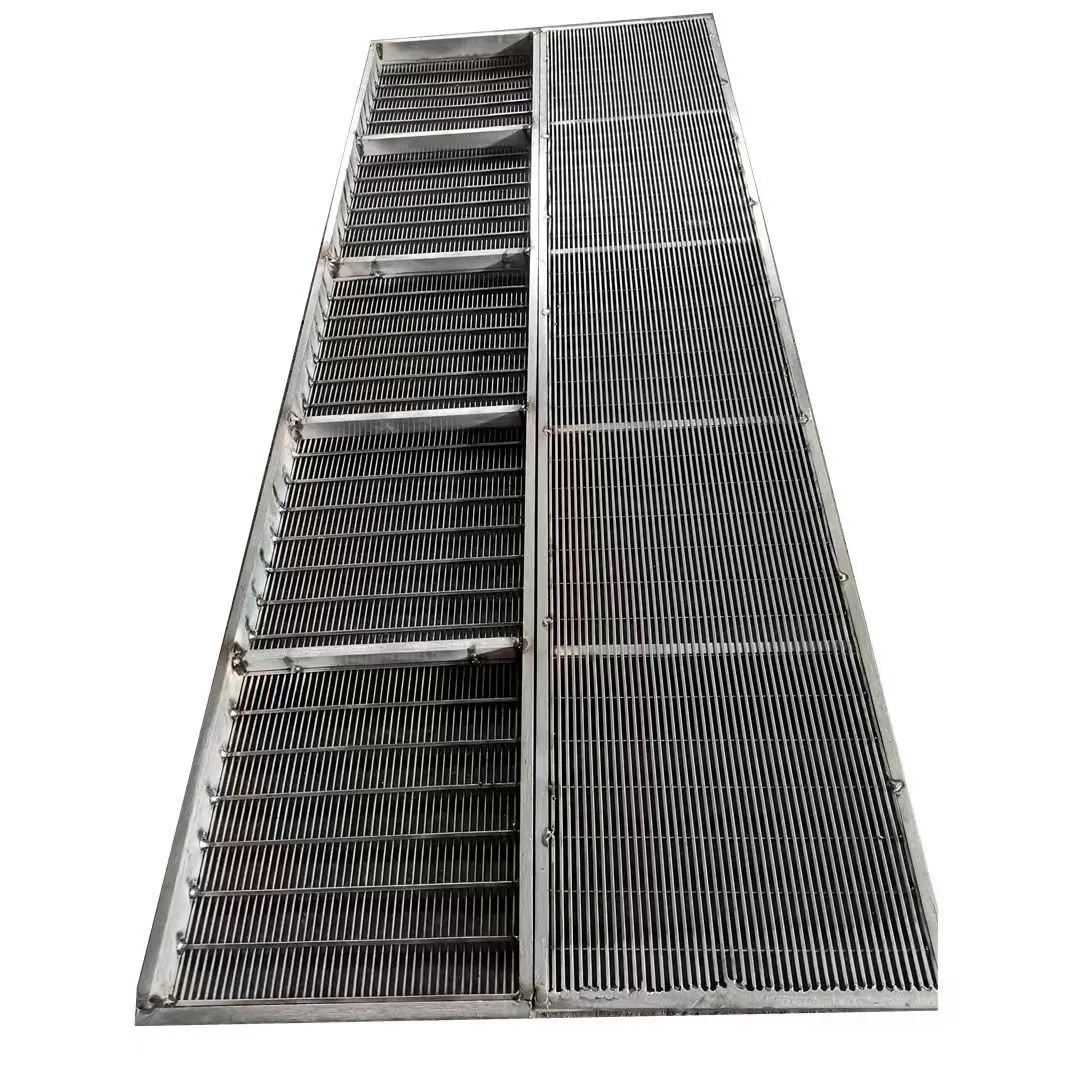
Customization & case notes
- Custom hooks (C-style, U-channel), side-tension vs end-tension
- Self-cleaning harp for damp, flaky feeds; flat-top for wear
- Edge sealing with rubber/PU to reduce bypass and chatter
Case A: Gold plant, SE Asia—switch to 316L flat-top, 8× lower pegging on the middle deck; availability up ≈2.3% over a quarter.
Case B: Aggregate quarry, EU—duplex 2205 harp reduced spray-bar pressure by ~10% while holding cut-size, fewer shutdowns for cleanouts.
Customer feedback? “The Stainless Steel Mine Screen rinses cleaner between shifts,” one supervisor told me. Not scientific, but the logbook showed fewer unplanned stops.
Citations
- ISO 9044: Industrial wire screens and woven wire cloth — Technical requirements and tests
- ISO 4783-2: Wire cloth and screens — Guide to the choice of aperture size and wire diameter
- ASTM A580/A580M: Standard Specification for Stainless Steel Wire
- ASTM A240/A240M: Stainless Steel Plate, Sheet, and Strip
- NACE MR0175/ISO 15156: Materials for use in H2S-containing environments
- ISO 9001: Quality management systems