Understanding Stainless Steel Wire & Mesh: Why It Matters Today
If you’ve ever paused to wonder how industries build so many durable, reliable structures — from aerospace frames to protective screens — stainless steel wire & mesh usually plays a quiet but critical role. It’s one of those unsung heroes making a global impact in fields ranging from architectural design and industrial filtration to humanitarian aid. The world’s reliance on this robust material is expanding, and knowing its benefits can really help industries innovate while also meeting sustainability goals.
Globally, stainless steel wire & mesh is more than just a product. It’s a solution to some surprisingly complex challenges — think corrosion resistance in harsh environments, safety through secure yet breathable barriers, or even sustainable infrastructure that lasts decades without costly replacements.
Mini Takeaway: Stainless steel wire & mesh is vital worldwide for durable construction, safety, and ecological sustainability — making it a go-to in many fields.
The Global Context: Why Stainless Steel Wire & Mesh Is Increasingly Relevant
Here’s a fact that might surprise you: the global market for stainless steel wire and mesh is projected to grow steadily over the next decade, underpinned by urbanization trends and expanding industrialization in emerging economies. According to the International Organization for Standardization (ISO), stainless steel’s corrosion resistance and mechanical strengths align perfectly with the needs of modern manufacturing and infrastructure projects. More than 60 million tons of stainless steel were produced globally in recent years, a significant portion of which contributed to wire and mesh products.
One major challenge industries face is balancing high-performance materials with cost and environmental impact. Stainless steel wire & mesh often answers this by combining longevity with recyclability — a win-win for industries trying to lower carbon footprints while maintaining quality. This relevance spans continents, from Asian manufacturing hubs to European architectural uses, even reaching humanitarian agencies relying on durable materials for disaster relief shelters.
Mini Takeaway: The growth of urban infrastructure and sustainability demands globally fuel stainless steel wire & mesh adoption, offering a robust solution to material longevity and eco-friendliness.
Defining Stainless Steel Wire & Mesh in Practical Terms
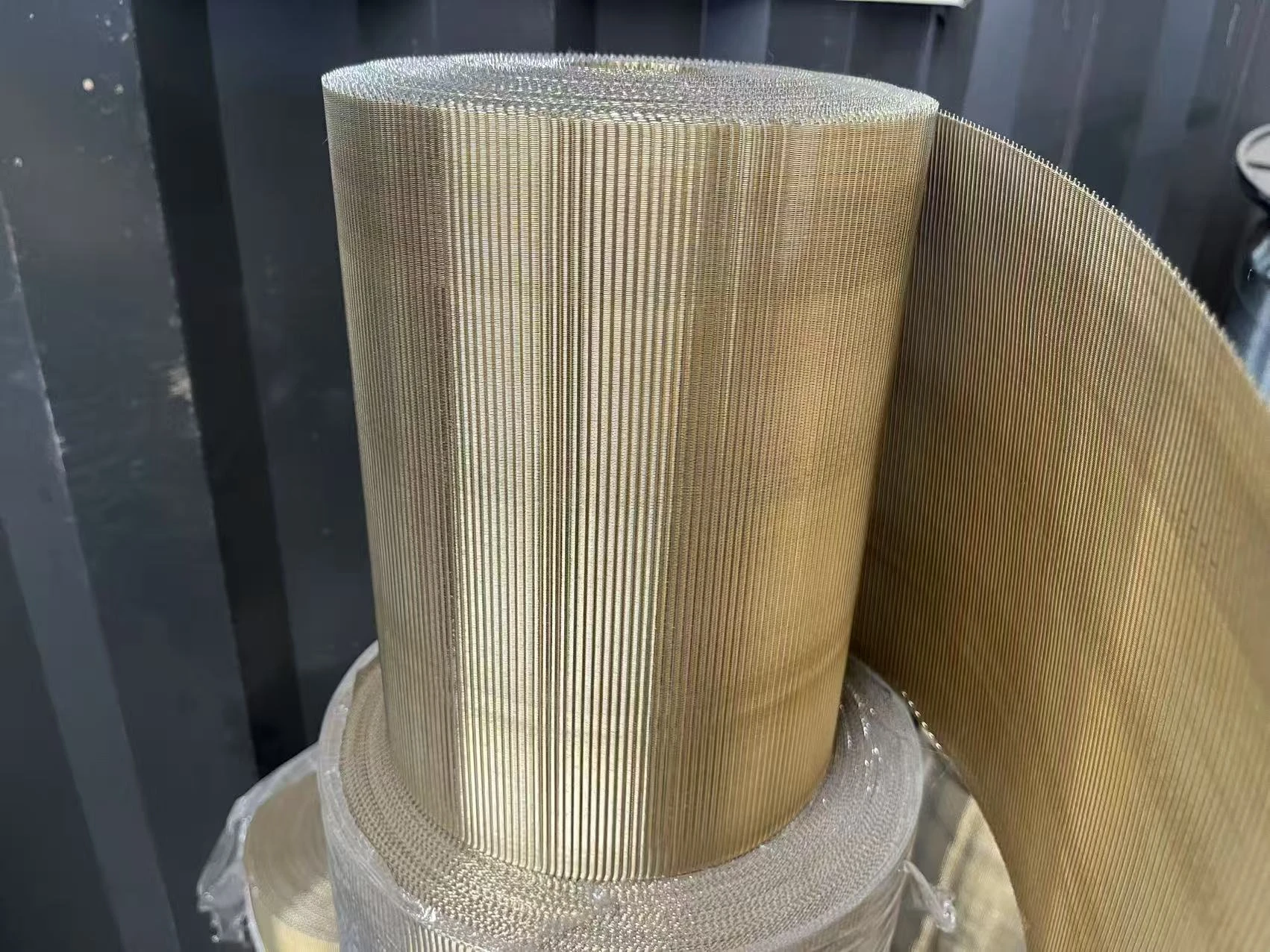
So, what exactly are stainless steel wire & mesh? In the most straightforward sense, stainless steel wire consists of thin rods of an alloy famed for its corrosion resistance and strength. When these wires are woven or knitted to form a mesh, the product gains an additional dimension — versatility and structural integrity for numerous applications.
Put simply, stainless steel wire & mesh act like protective armor or functional filters. They’re lightweight yet strong, can resist chemical attacks, and handle environmental wear much better than other metals. This makes them essential for industries that need to build both resilient and precise components — everything from medical filters to fencing, to the interiors of electronics or HVAC systems.
Mini Takeaway: Stainless steel wire & mesh are durable wires formed into grids, offering strength, corrosion resistance, and multi-industry utility.
Core Characteristics That Make Stainless Steel Wire & Mesh Stand Out
Durability
One of the biggest draws is corrosion resistance. Thanks to chromium content, stainless steel forms a self-healing oxide layer that prevents rust — vital for outdoor or marine use. Many engineers I’ve talked to say it feels like insurance for long-term projects that will see decades of wear without failure.
Flexibility & Scalability
The wires can be manufactured in a range of diameters, tensile strengths, and mesh sizes. This scalability means that whether you need a fine mesh for filtration or a heavy-duty barrier fence, you’re covered.
Cost Efficiency Over Time
While upfront costs can seem high compared to galvanized steel, longevity and minimal maintenance more than make up for it. Fewer replacements, less downtime, and reduced maintenance costs add to its financial attractiveness.
Eco-Friendliness
Stainless steel is 100% recyclable without quality loss. As industries aim for circular economy models, this attribute is a key factor. You get performance and sustainability hand in hand.
Customization & Testing
Advanced manufacturing techniques allow precise customization — mesh patterns, coatings, and tensile properties tailored for each use case. Plus, rigorous testing ensures compliance with ISO and ASTM standards, crucial for sectors like aerospace or medical devices.
Mini Takeaway: Durability, flexibility, cost-effectiveness, eco-friendliness, and customization unite to make stainless steel wire & mesh indispensable.
Where Stainless Steel Wire & Mesh Make a Real Difference
Worldwide applications of these materials are as varied as the environments they operate in:
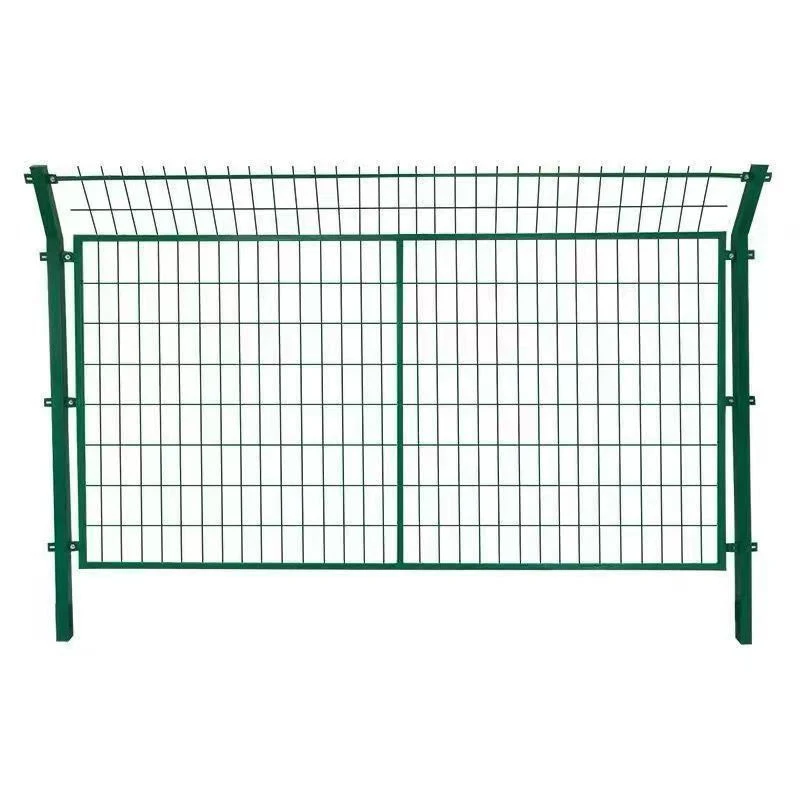
- Construction and Architecture: Facades, reinforcement, safety grilles in skyscrapers across Asia and Europe.
- Agriculture: Protective fencing in harsh climates, notably in Africa’s rural zones.
- Industrial Filtration: Refining and chemical plants rely on precision meshes for filtering impurities — seen in North American and Middle Eastern facilities.
- Humanitarian and Disaster Relief: In post-disaster relief operations, modular shelters equipped with stainless steel mesh panels offer both safety and ventilation.
- Food Processing: Machines and conveyor belts use stainless steel wire for hygiene and durability.
Oddly enough, the mesh’s usefulness even extends to high-tech fields like electronics, where microscopic wire meshes filter dust.
Mini Takeaway: From skyscraper safety to disaster relief shelters, stainless steel wire & mesh serve essential roles globally in diverse industries.
Typical Product Specifications
| Property |
Typical Range/Value |
Notes |
| Wire Diameter |
0.1 mm – 3.0 mm |
Customizable per application |
| Mesh Opening Size |
0.2 mm – 50 mm |
Fine to coarse mesh |
| Material Grades |
304, 316, 317, 321 |
Different corrosion resistance levels |
| Tensile Strength |
500–1,200 MPa |
Depends on alloy & processing |
| Finish |
Polished, Matte, Electro-polished |
Enhances corrosion resistance & aesthetics |
Comparing Leading stainless steel wire & mesh Vendors
| Vendor |
Product Range |
Customization Options |
Quality Certifications |
Lead Time |
| Jinzehong Wire Mesh |
Wide (wire diameters, mesh types) |
Full customization including coatings |
ISO 9001, ASTM compliance |
2-4 weeks |
| Vendor B |
Medium (standard meshes) |
Limited |
ISO 9001 |
4-6 weeks |
| Vendor C |
Niche products (high-tech applications) |
Partial, focus on research clients |
ASTM compliant |
Varies |
Advantages and Long-Term Value of Stainless Steel Wire & Mesh
Imagine investing in a product that not only lasts decades but also brings peace of mind by resisting corrosion, providing safety, and reducing maintenance hassle. Stainless steel wire & mesh do precisely that. From a financial perspective, they often reduce total cost of ownership despite a higher initial price.
There’s also a social and environmental side to their advantage. Using recyclable, sustainable materials feeds into corporate responsibility agendas and reduces landfill waste. Industries and NGOs alike trust the reliability of stainless steel wire & mesh to protect lives and enable innovation — safety, dignity, and endurance in one package.
Mini Takeaway: Stainless steel wire & mesh deliver excellent ROI, reduce environmental footprint, and uphold safety and trust across industries.
Emerging Trends and Innovations
It’s quite fascinating how technology keeps pushing this traditional material forward. Advances include incorporating nanocoatings for enhanced corrosion protection, developing lighter alloy blends to reduce weights in aerospace, and digital mesh design enabling precision cuts for custom applications.
Moreover, green energy sectors increasingly specify stainless steel mesh for battery separators and solar panel supports due to durability and resistance factors. Integrating AI-driven quality checks and automation in production lines also shortens lead times and tightens tolerances.
Challenges in Application and How to Overcome Them
Of course, nothing is perfect. Sometimes companies face challenges like ensuring consistent mesh size at scale or balancing material thickness with weight constraints. Cost barriers still exist, especially for small-scale users, and improper installation can reduce mesh lifespan significantly.
Experts advise close collaboration with vendors offering customization and quality assurance services. Testing to relevant standards (ASTM, ISO) upfront and training installation teams mitigate risks. Additionally, exploring modular designs with stainless steel mesh can reduce waste and simplify repairs down the line.
FAQ: Your Top Questions About Stainless Steel Wire & Mesh
- What are the main differences between stainless steel mesh and galvanized wire mesh?
- Stainless steel mesh resists corrosion better and often lasts longer, especially outdoors or in harsh chemicals. Galvanized wire mesh is cheaper but can rust over time. For longevity and hygiene, stainless steel is preferred.
- Can stainless steel wire & mesh be customized for unique industrial needs?
- Absolutely. Vendors like Jinzehong Wire Mesh offer bespoke sizing, alloy grades, and finishes tailored to your project specs, including coatings for enhanced resistance.
- How does stainless steel wire & mesh contribute to sustainability efforts?
- Since it’s fully recyclable without quality degradation, it fits perfectly into circular economy practices. Its durability means fewer replacements, reducing resource consumption over time.
- What industries can benefit most from stainless steel wire & mesh today?
- Filtration, construction, food processing, aerospace, and humanitarian sectors, among others, rely heavily on these materials for their safety, durability, and precision.
- Are there standards I should check when purchasing stainless steel wire & mesh?
- Look for compliance with ISO 9001, ASTM A580, and A185 standards to ensure quality and performance matching your specifications.
Summing It Up—and Why It’s Worth Your Attention
Stainless steel wire & mesh aren’t just components; they’re foundational materials that shape the stability, safety, and sustainability of countless projects worldwide. Their unmatched durability, adaptability, and eco-friendliness position them perfectly for growing global demands. If you’re considering solutions that blend performance with responsible resource use, they’re definitely worth a deeper look.
When you’re ready to explore reliable options and detailed product info, check out stainless steel wire & mesh offerings that combine experience with tailored solutions. Because in the end, the right mesh can hold everything together — quite literally.
References:
1. Stainless Steel - Wikipedia
2. International Organization for Standardization
3. World Steel Association - Market Trends