Product Description
1. Material type
-Basic models: 304, 304L (general-purpose, resistant to weak acids and alkalis).
-Enhanced models: 316, 316L (resistant to strong acids and salt corrosion, suitable for chemical and seawater environments).
-Special models: 2205 duplex steel, 310S (resistant to high temperatures up to 1150°C), Monel alloy (resistant to hydrofluoric acid).
2. Key performance
-Corrosion resistance: resistant to corrosion from acids and alkalis, organic solvents and electroplating solutions.
-High temperature resistance: 304 type can withstand short-term high temperatures of 480°C, and 310S type can withstand long-term working temperatures of 800–1150°C.
-Mechanical strength: high tensile strength (≥500 MPa) and wear resistance, suitable for high pressure and high wear scenarios.
-Easy to maintain: supports repeated cleaning (such as backwashing), welding, and cutting.
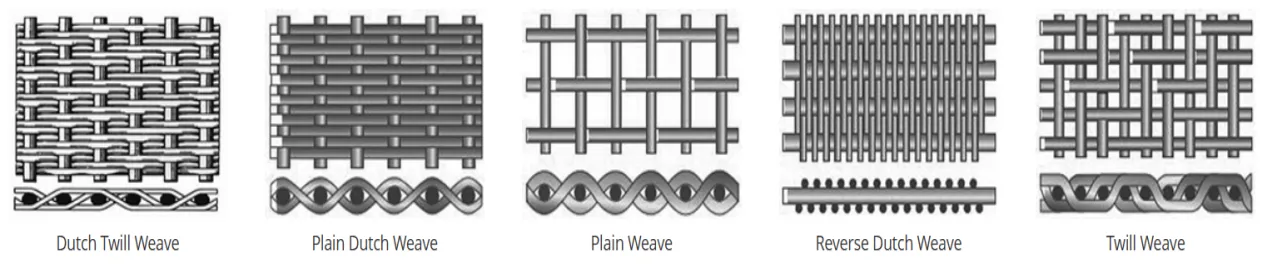
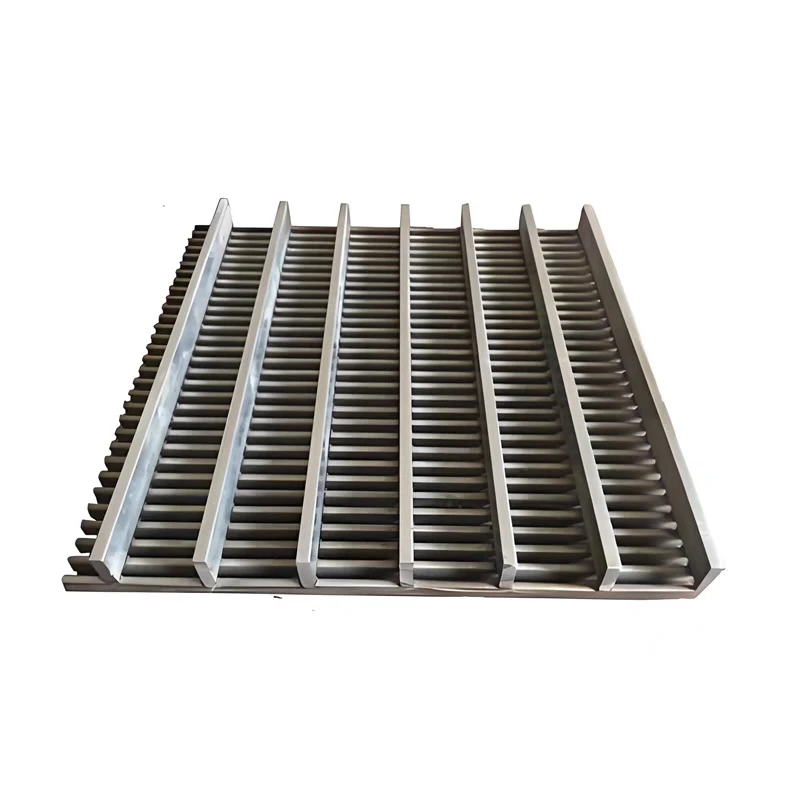
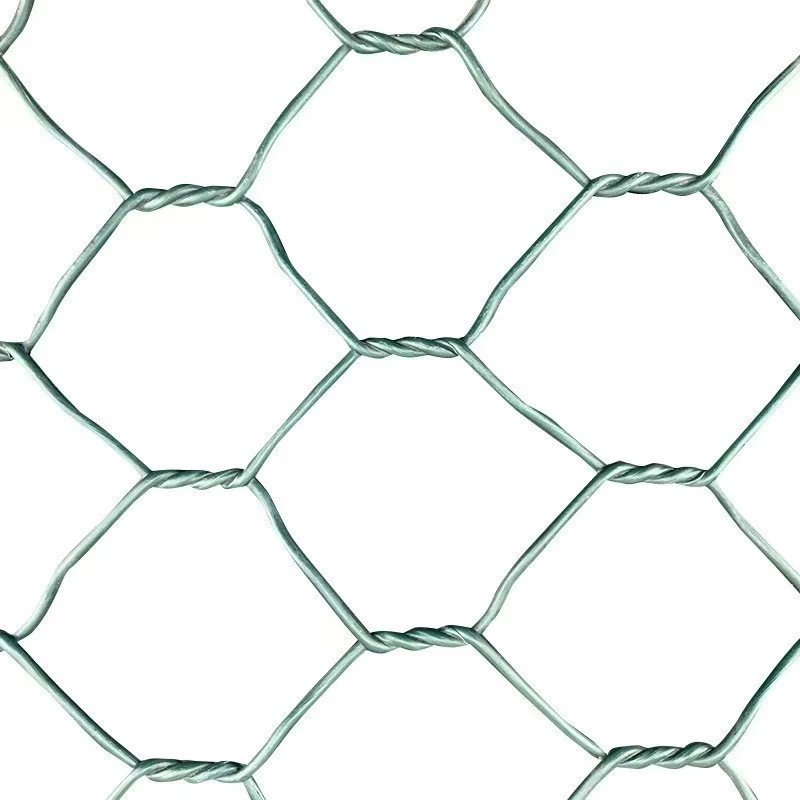
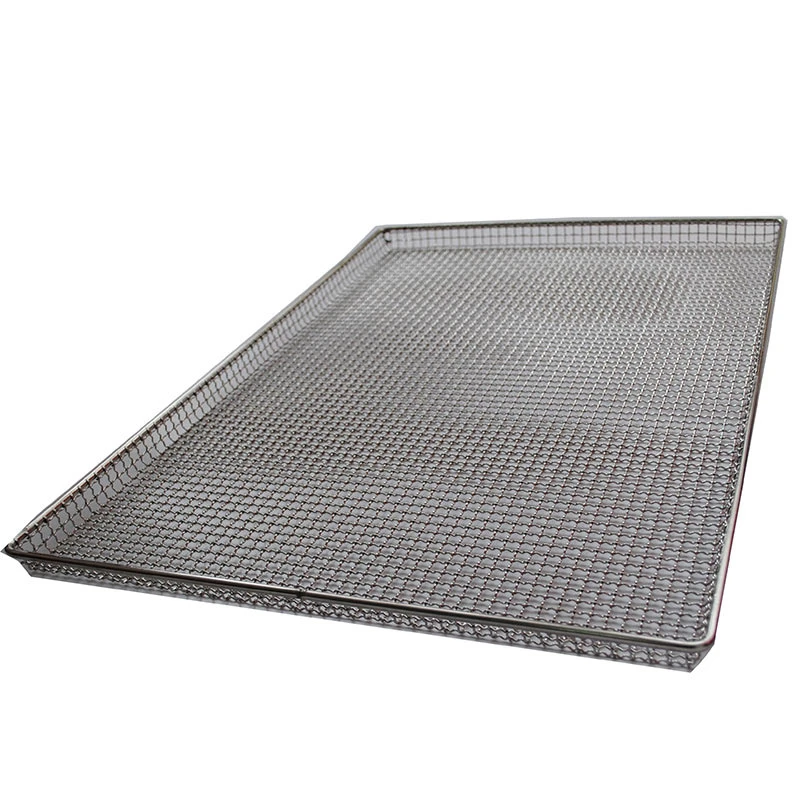
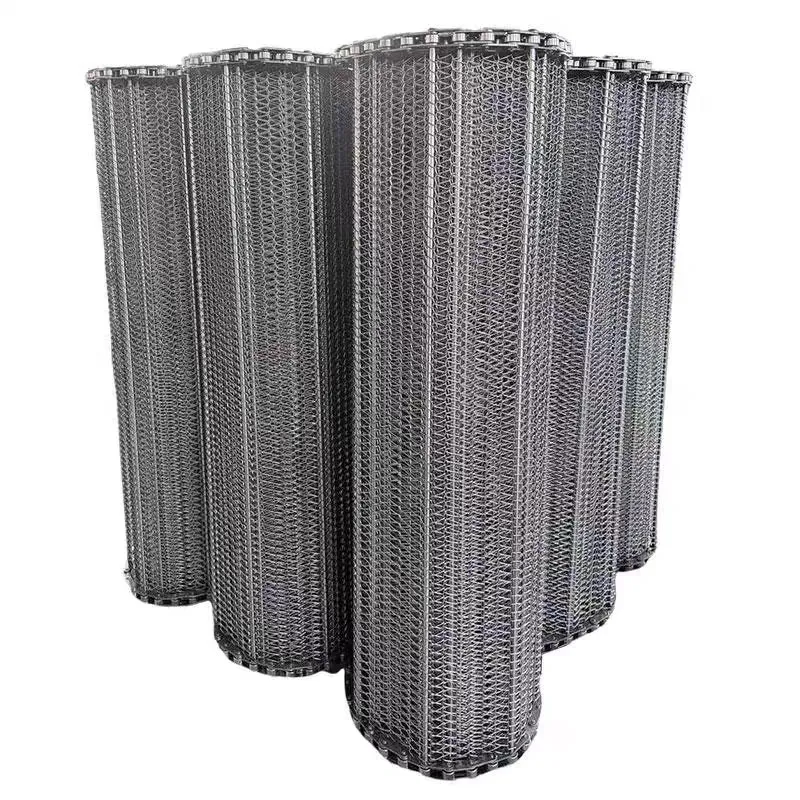
Product woven type

Product Shape And Specification
1. Shape
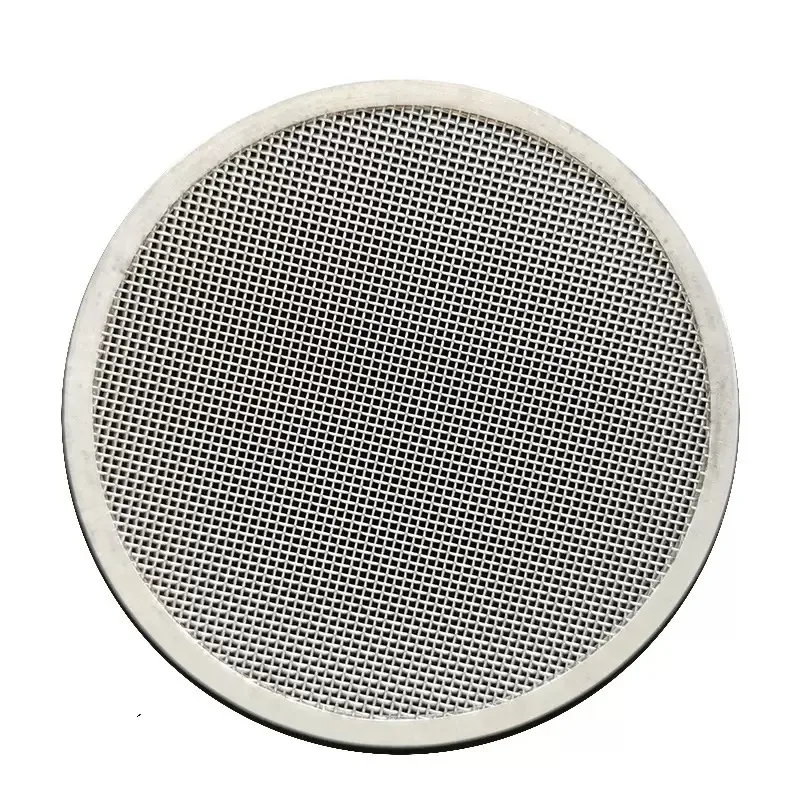
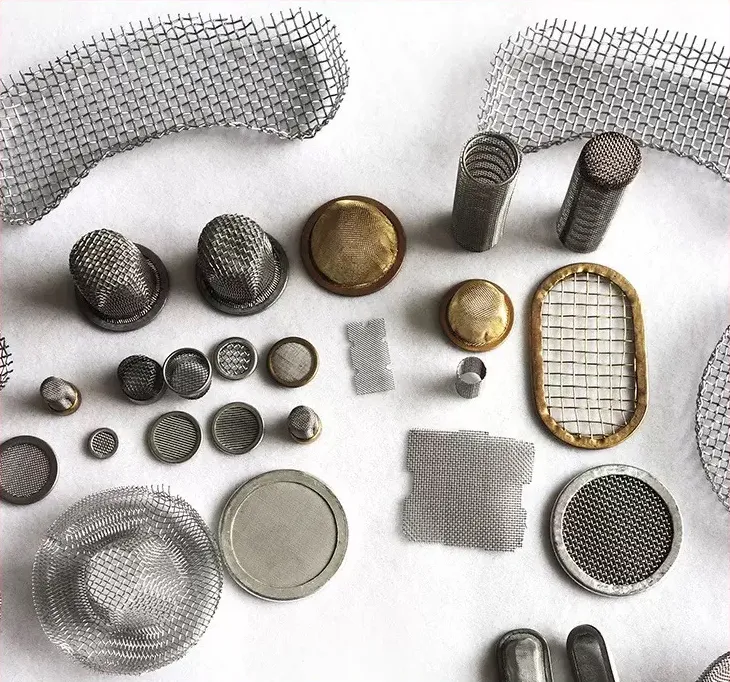
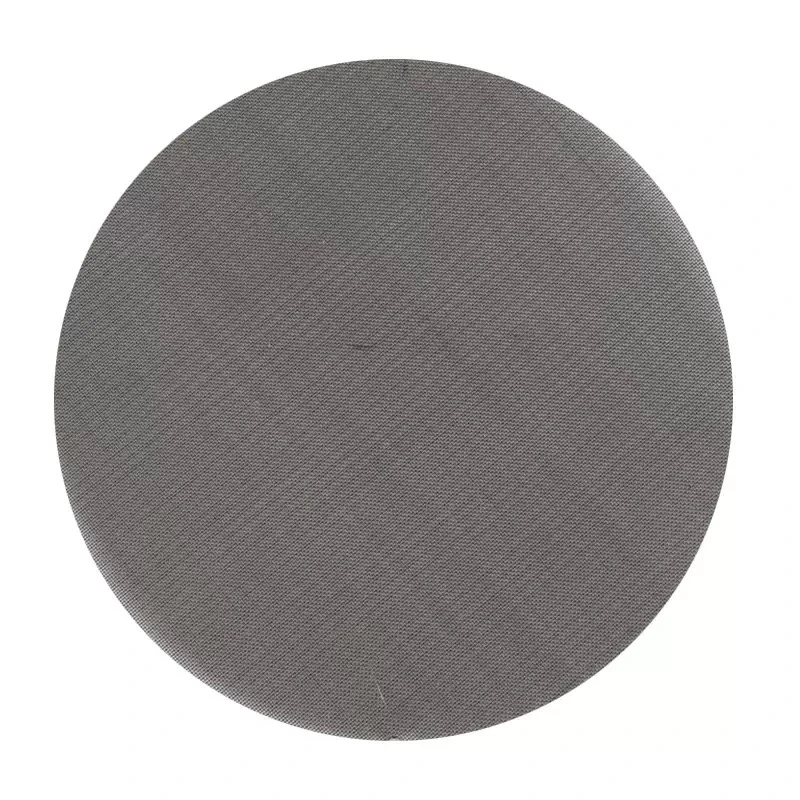
Round (diameter 5-600 mm), rectangular, waist-shaped, oval and special shapes can be customized
2. Product specification
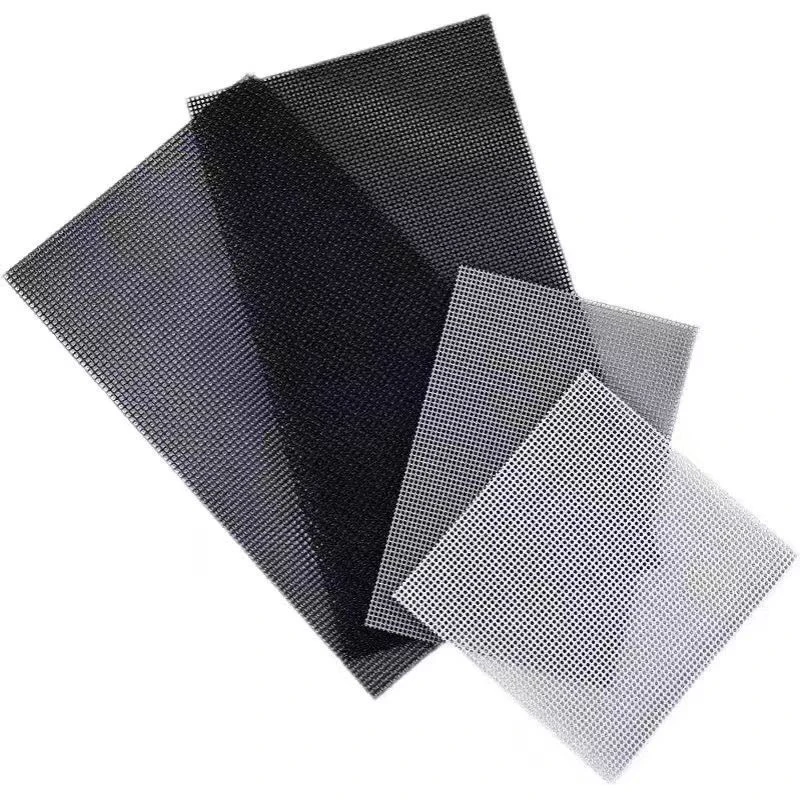
Covering 20-635 mesh (see the table below for common specifications), the highest precision is 1μm (635 mesh)
Mesh count | Wire diameter (mm) | Hole size (mm) |
40-100mesh | 0.28-0.5 | 0.25-0.10 |
200-325mesh | 0.053-0.14 | 0.074-0.043 |
500-635mesh | 0.025-0.04 | 0.025-0.001 |
Product Application

Product Advantages
1. Stability and lifespan
- Filtration accuracy fluctuation <±0.01mm (laser micropore technology), no deformation after long-term use.
- Lifespan is more than 3 times that of ordinary mesh belts (corrosion-resistant + wear-resistant design).
2. Economical and environmentally friendly
- Supports backwashing and reuse to reduce consumables costs.
- 100% recyclable material, no risk of coating contamination.
3. Customization flexibility

Product application

Product application

Product application

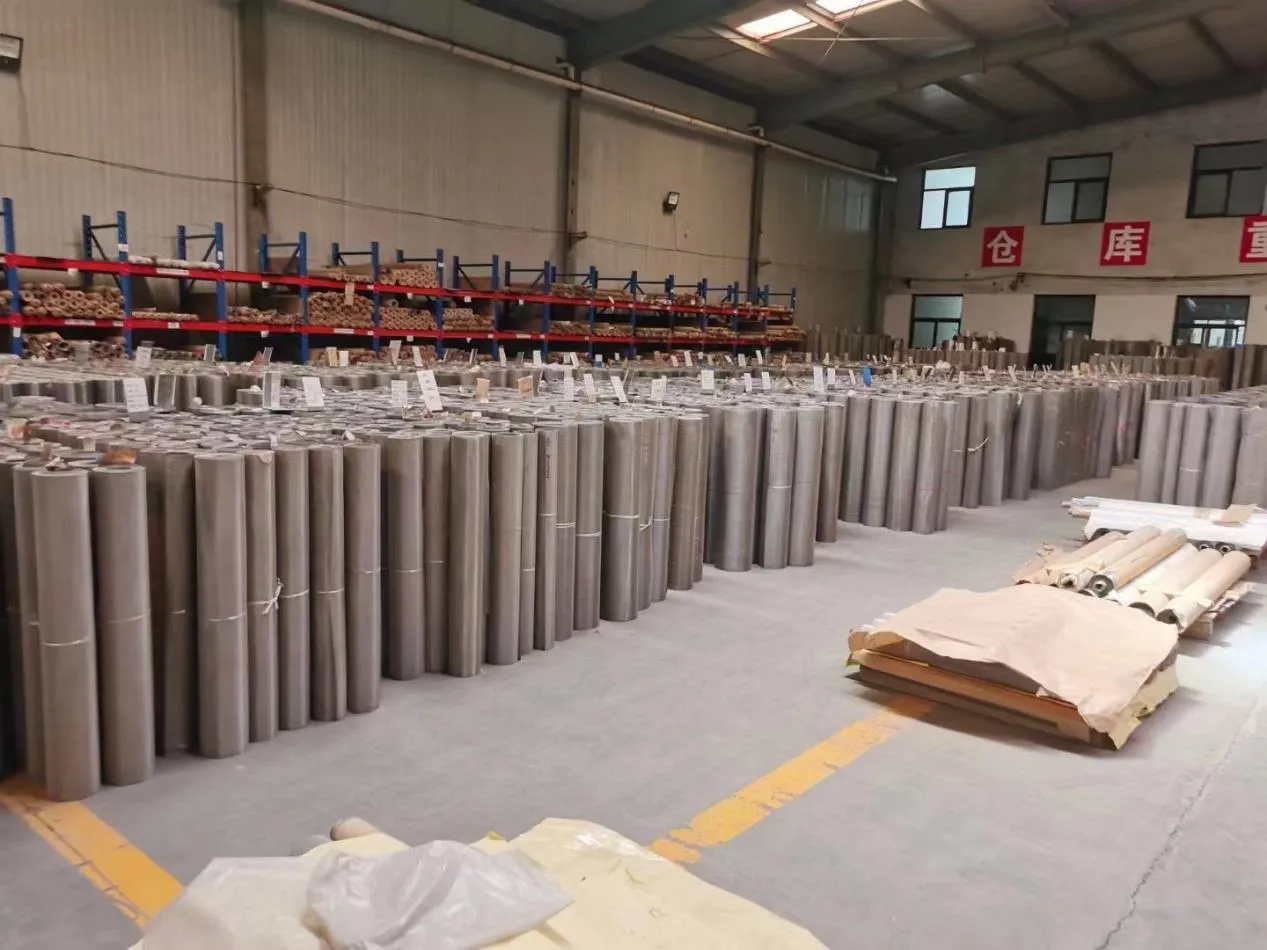
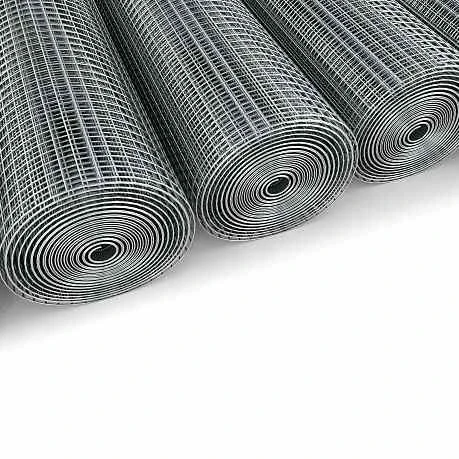
Our stock
FAQ
Are you a manufacturer or trader?
What can you buy from us?
What is your delivery time?
How do you ensure product quality?
Can you provide samples?
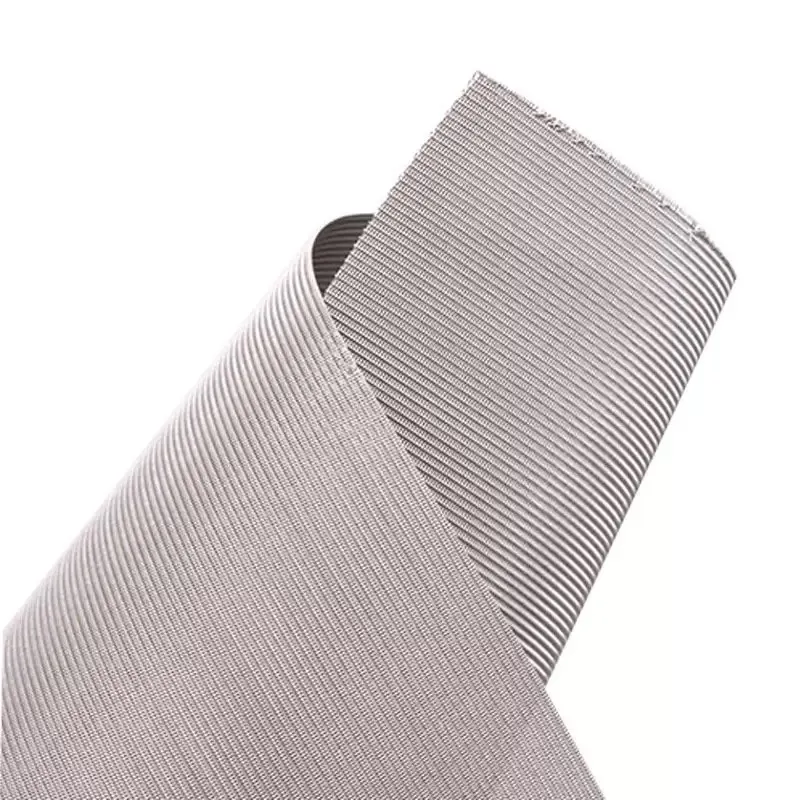
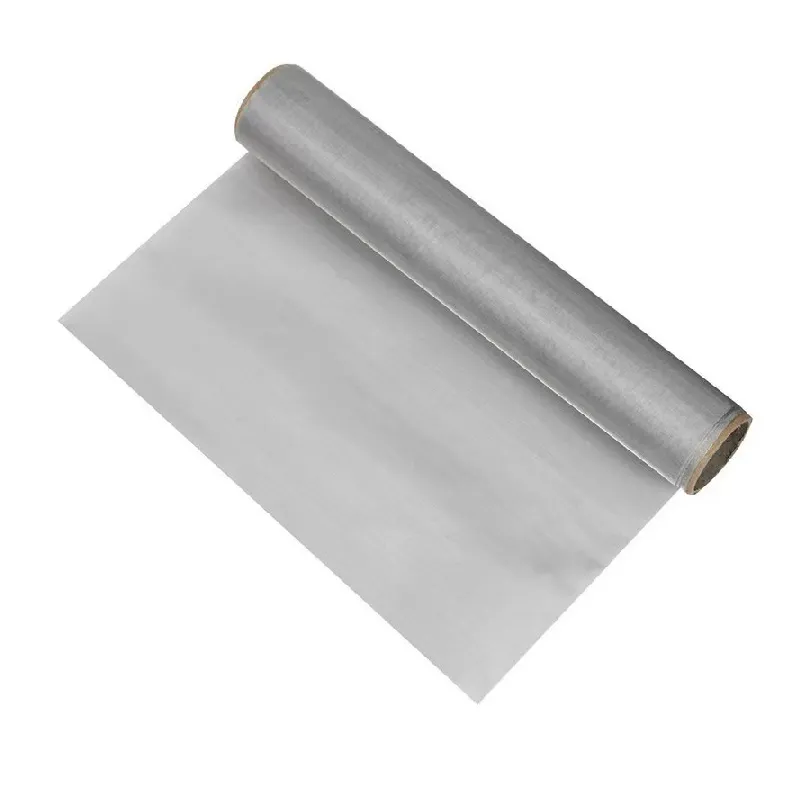
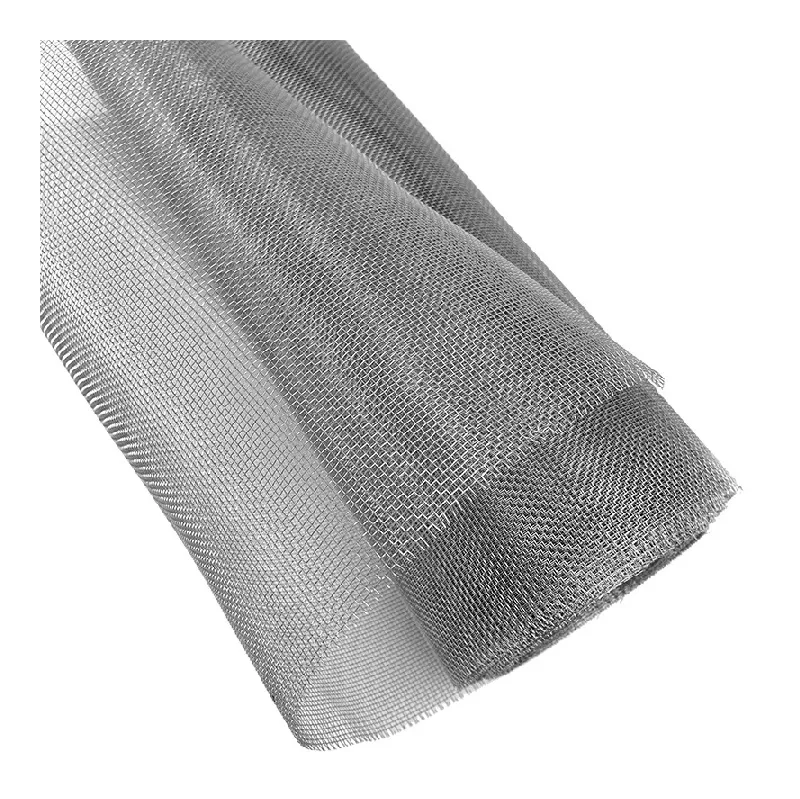
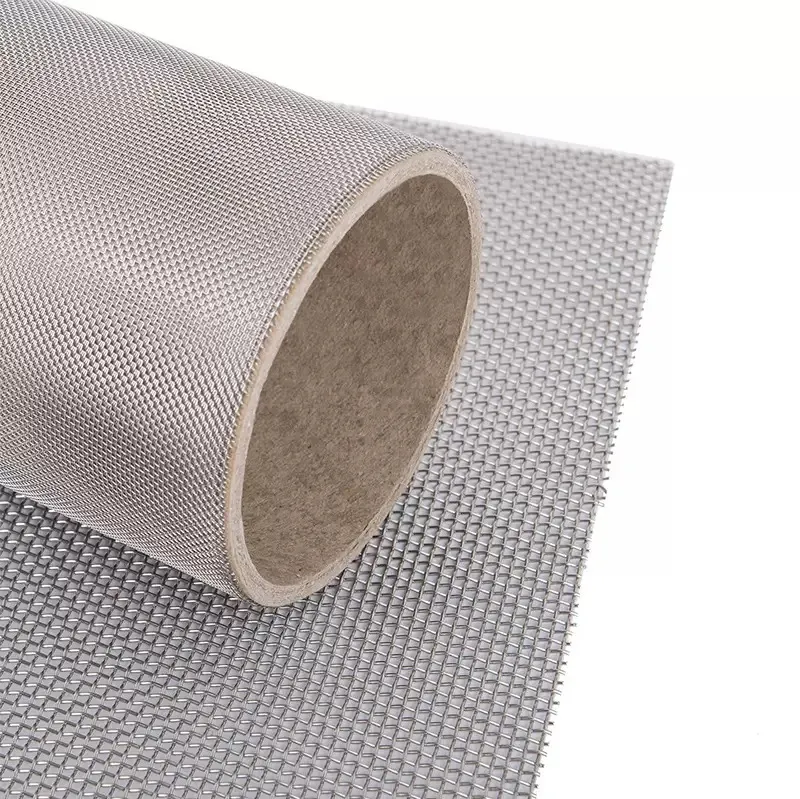
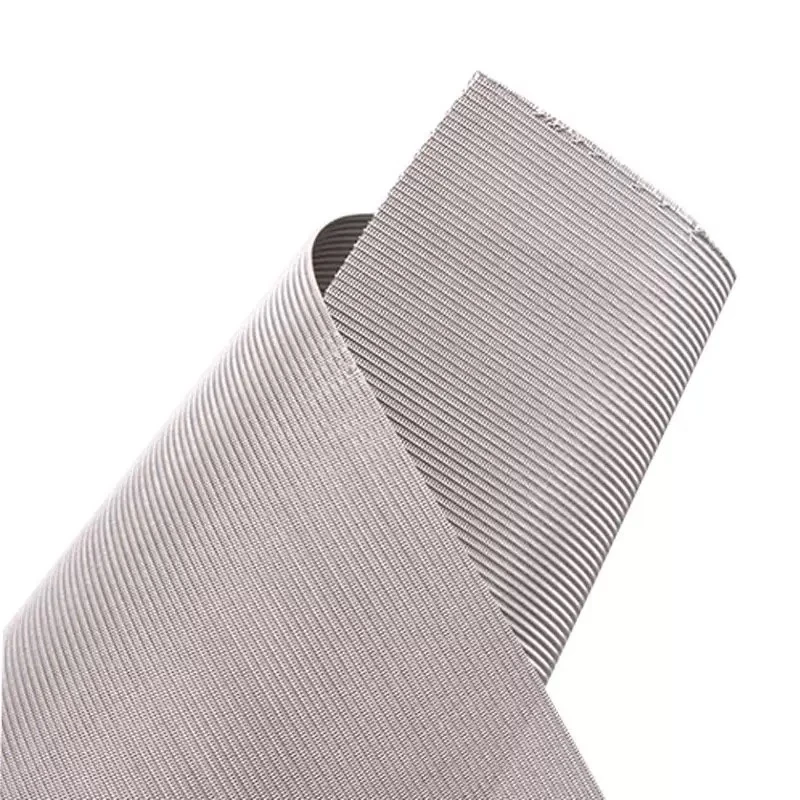
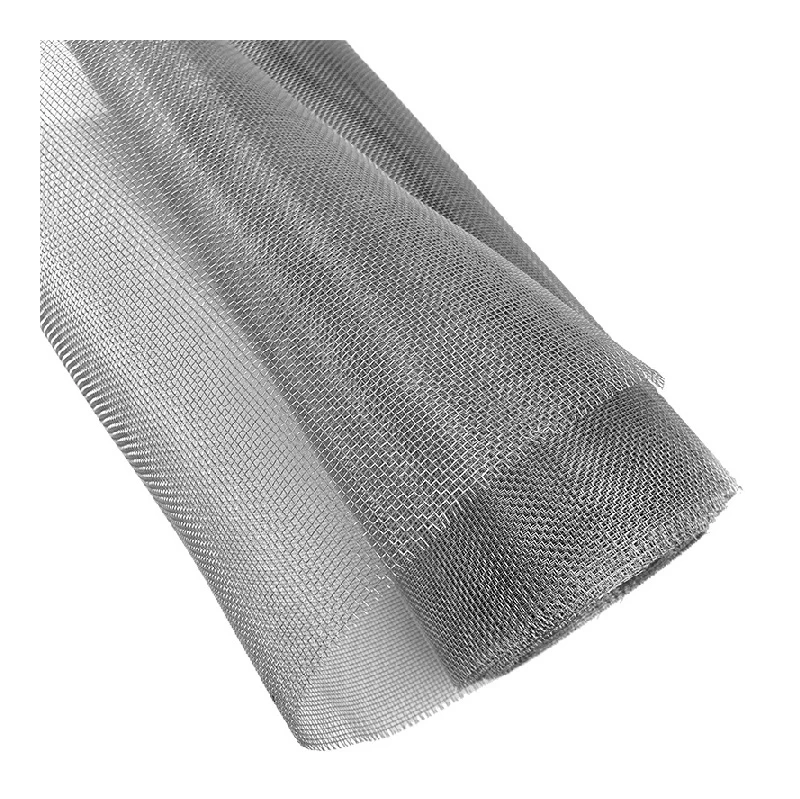
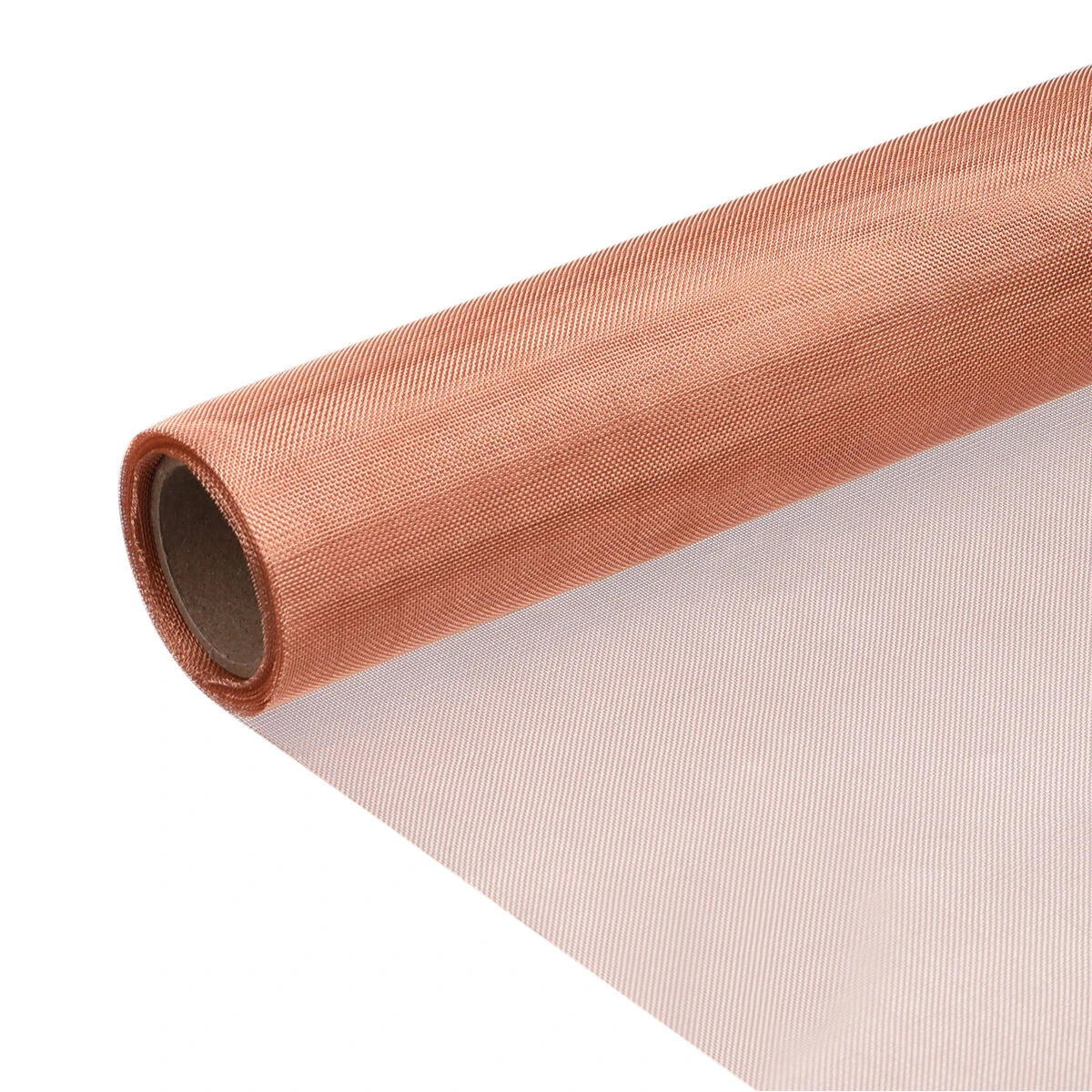
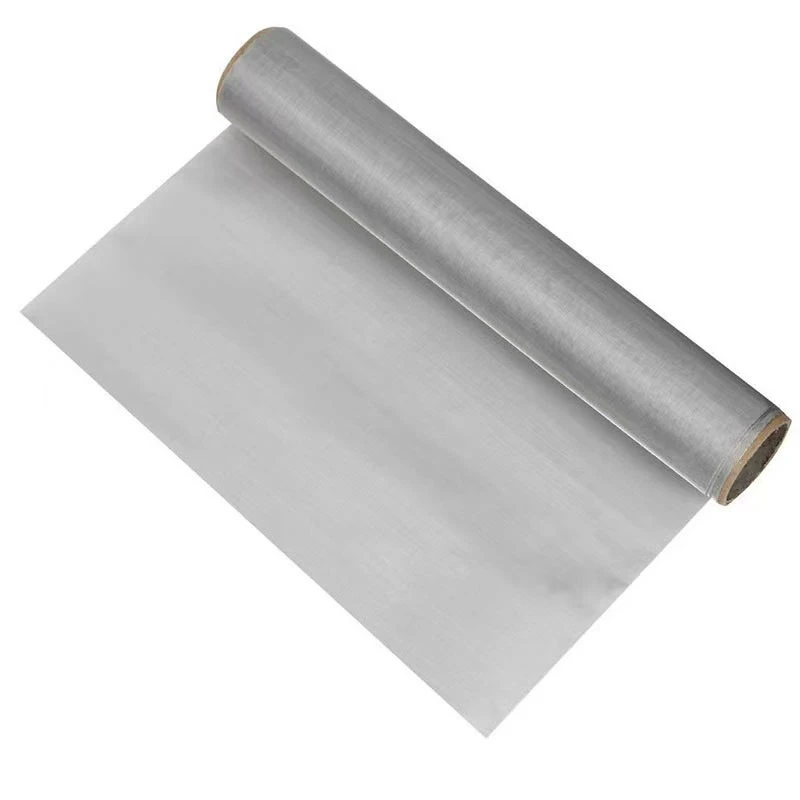
Stainless steel filter mesh is a precision filtration material manufactured by weaving stainless steel wires into a uniform mesh structure. It is designed to separate unwanted particles, impurities, and contaminants from liquids, gases, and other processing materials while maintaining stable flow performance. Compared with traditional filter materials such as plastic, nylon, or fiber mesh, stainless steel filter mesh provides excellent durability, corrosion resistance, temperature resistance, and mechanical strength.
With the increasing demand for reliable filtration solutions in industries such as chemical processing, food and beverage, pharmaceutical production, water treatment, automotive manufacturing, and oil filtration, stainless steel filter mesh has become a preferred choice for industrial filtration systems. Its reusable structure allows customers to clean and reuse the mesh multiple times, helping reduce maintenance costs and replacement frequency.
Jinzehong supplies high-quality stainless steel filter mesh manufactured with carefully selected stainless steel wires, ensuring consistent mesh openings and reliable filtration performance. Available in different mesh counts, wire diameters, and stainless steel grades, our filter mesh can meet various filtration requirements from coarse screening to fine particle separation.
Whether used for liquid filtration, gas filtration, powder screening, or industrial separation processes, stainless steel filter mesh provides a long-lasting filtration solution for demanding working environments. By selecting the right mesh specification, customers can achieve an ideal balance between filtration accuracy, flow rate, and service life.
Choosing the right stainless steel filter mesh is essential for achieving efficient filtration performance and reducing operating costs. Different industrial applications require different mesh specifications based on filtration accuracy, working environment, material characteristics, and equipment design.
The first factor to consider is mesh count and opening size. A higher mesh count generally means smaller openings, which allows the filter mesh to capture finer particles. However, smaller openings may also influence flow capacity. Therefore, customers need to select a suitable balance between filtration precision and liquid or gas flow requirements.
Material grade is another important consideration. Stainless steel grades such as 304 and 316 are commonly used for filter mesh applications. 304 stainless steel provides excellent corrosion resistance and is suitable for general filtration applications, while 316 stainless steel offers improved resistance to chemicals and harsh environments.
The working conditions should also be evaluated before purchasing stainless steel filter mesh. Temperature, pressure, chemical exposure, and cleaning methods can affect the service performance of filtration materials. For applications requiring frequent cleaning or high-temperature operation, stainless steel mesh provides significant advantages due to its strength and reusability.
At Jinzehong, we provide professional stainless steel filter mesh solutions based on customers’ specific filtration requirements. With customized options including mesh size, wire diameter, weaving type, and dimensions, our products can be adapted for different industrial filtration systems.
A professional selection process ensures better filtration efficiency, longer service life, and improved overall equipment performance.
Stainless steel filter mesh plays an important role in many industries where clean separation and reliable filtration are required. Its excellent corrosion resistance, high strength, and easy cleaning properties make it suitable for demanding industrial environments.
In the food and beverage industry, stainless steel filter mesh is commonly used for liquid filtration, ingredient screening, brewing filtration, and oil filtration. Because stainless steel does not easily react with food materials and can withstand repeated cleaning processes, it helps maintain product quality and production hygiene.
In chemical processing industries, stainless steel filter mesh provides reliable filtration performance when handling chemicals, solvents, and industrial fluids. The corrosion-resistant properties of stainless steel make it suitable for applications where ordinary filter materials may degrade quickly.
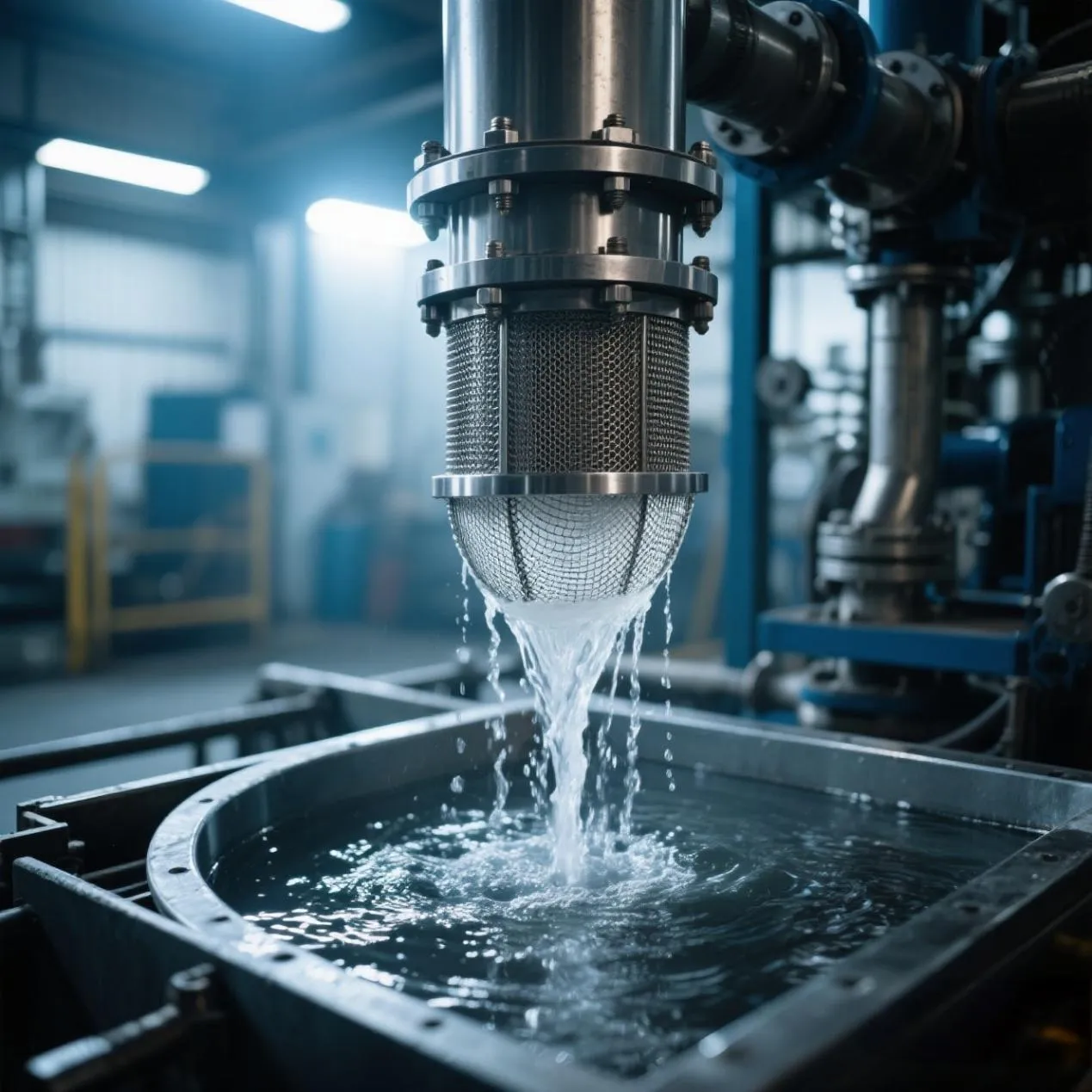
Water treatment is another major application area. Stainless steel filter mesh can be used for removing suspended particles, sediments, and impurities from water systems. Its durable structure allows continuous operation and supports long-term filtration performance in industrial water treatment equipment.
Besides these applications, stainless steel filter mesh is also widely used in petroleum, automotive, pharmaceutical, and manufacturing industries for screening, separation, and filtration processes. Different weaving methods and mesh specifications allow the product to meet various filtration requirements.
Jinzehong provides customized stainless steel filter mesh solutions for global customers. By combining quality materials with professional manufacturing experience, we help industries achieve stable filtration performance and efficient production processes.
When purchasing stainless steel filter mesh, choosing the correct stainless steel grade is one of the most important decisions. The two most commonly used materials are 304 and 316 stainless steel, and each offers different advantages depending on the application environment.
304 stainless steel filter mesh is widely used because it provides excellent corrosion resistance, strength, and cost-effectiveness. It is suitable for general filtration applications, including food processing, water filtration, air filtration, and industrial screening where exposure to aggressive chemicals is limited.
316 stainless steel filter mesh offers higher corrosion resistance due to the addition of molybdenum. This makes it a better choice for applications involving saltwater, chemicals, acids, or other challenging environments. Industries such as chemical processing, marine applications, and pharmaceutical manufacturing often prefer 316 stainless steel because of its enhanced durability.
The best choice depends on factors including working temperature, chemical exposure, cleaning requirements, and expected service life. Selecting a higher-grade material when necessary can help prevent corrosion problems and reduce replacement costs.
Jinzehong offers both 304 and 316 stainless steel filter mesh options to meet different industrial requirements. Our experienced team can provide professional recommendations based on customers’ filtration conditions, ensuring the selected mesh delivers reliable performance.
With accurate material selection, customers can improve filtration efficiency, extend product lifespan, and achieve better long-term value.
Selecting a reliable stainless steel filter mesh supplier is essential for ensuring product quality, stable supply, and consistent filtration performance. Jinzehong specializes in supplying high-quality stainless steel filter mesh solutions for international customers across various industries.
Our stainless steel filter mesh is manufactured using quality stainless steel wire and advanced weaving techniques to achieve uniform mesh openings, accurate specifications, and dependable performance. We understand that different customers have different filtration requirements, which is why we provide customized solutions, including various mesh counts, wire diameters, widths, lengths, and material grades.
Quality consistency is especially important for industrial filtration applications. Uneven mesh openings or unstable materials can affect filtration accuracy and increase operational risks. Through strict quality control, we ensure each stainless steel filter mesh meets customer expectations for durability, strength, and filtration efficiency.
As an experienced stainless steel filter mesh supplier, Jinzehong focuses on providing professional service, competitive solutions, and reliable delivery for global buyers. Whether you need standard stainless steel filter mesh or customized filtration products, our team can support your project from specification selection to final supply.
By choosing Jinzehong, customers gain more than a stainless steel filter mesh product — they gain a dependable partner for long-term industrial filtration solutions.
What Is Stainless Steel Filter Mesh?
Stainless steel filter mesh has a wide variety of applications across multiple industries. In the food and beverage industry, it is used to filter oils, syrups, juices, and other liquids while maintaining hygiene and product purity. In pharmaceuticals, stainless steel mesh ensures fine powder separation and liquid purification, critical for producing safe and consistent medicines. Water treatment facilities use it to filter impurities, sand, and other particles, ensuring clean water supply. In the chemical industry, stainless steel mesh is employed in processes that require resistance to corrosive fluids, including acid and alkali filtration. It is also widely used in petroleum refining and natural gas processing to remove contaminants during production. For automotive and aerospace industries, stainless steel filter mesh plays a role in hydraulic systems, air intake filters, and fuel filtration. It is equally valuable in construction, mining, and agriculture, where it screens particles and separates materials efficiently. These diverse applications highlight the adaptability of stainless steel filter mesh in both precision tasks and heavy-duty industrial environments.
Stainless steel filter mesh provides several significant benefits compared to other filtration materials. First, it offers outstanding durability, capable of withstanding harsh working conditions such as high pressure, extreme temperatures, and corrosive environments. Second, it provides accurate and consistent filtration due to uniform mesh openings, ensuring reliable separation of particles without compromising flow efficiency. Third, stainless steel is reusable—unlike disposable filter media, it can be cleaned and reused multiple times, reducing long-term costs. Fourth, it is hygienic and safe for food and pharmaceutical applications, as stainless steel does not leach harmful chemicals or degrade during use. Additionally, its resistance to rust, wear, and chemical attack makes it suitable for long-term industrial use with minimal maintenance. From an environmental perspective, stainless steel is recyclable, making it an eco-friendly choice compared to synthetic alternatives. Finally, its structural stability prevents mesh deformation, ensuring reliable performance even under heavy loads. Altogether, stainless steel filter mesh is a cost-effective, sustainable, and high-performance solution for industries that demand precision and reliability.
Hit enter to search or ESC to close