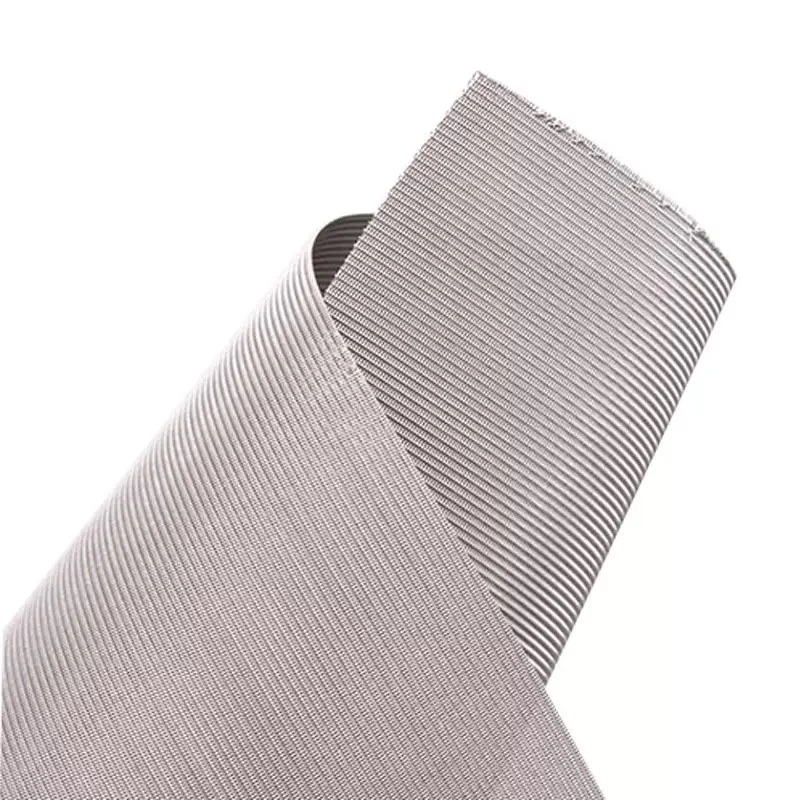
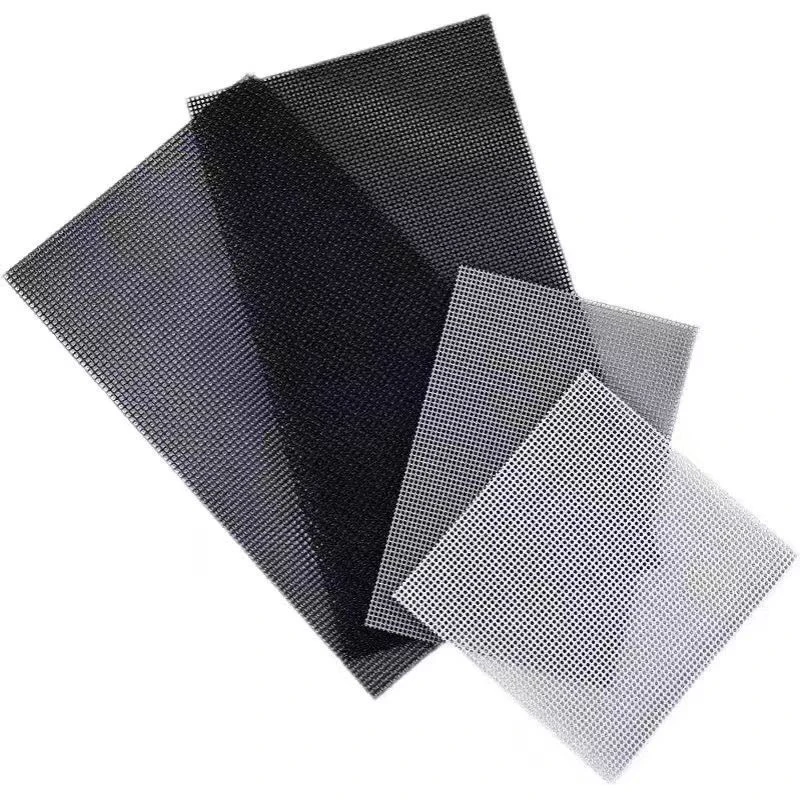
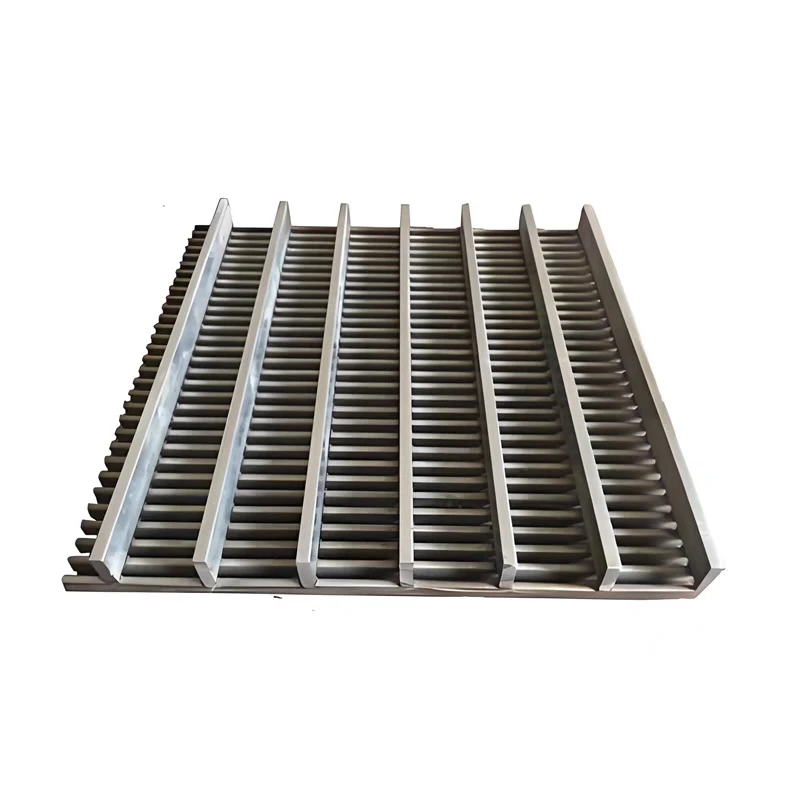
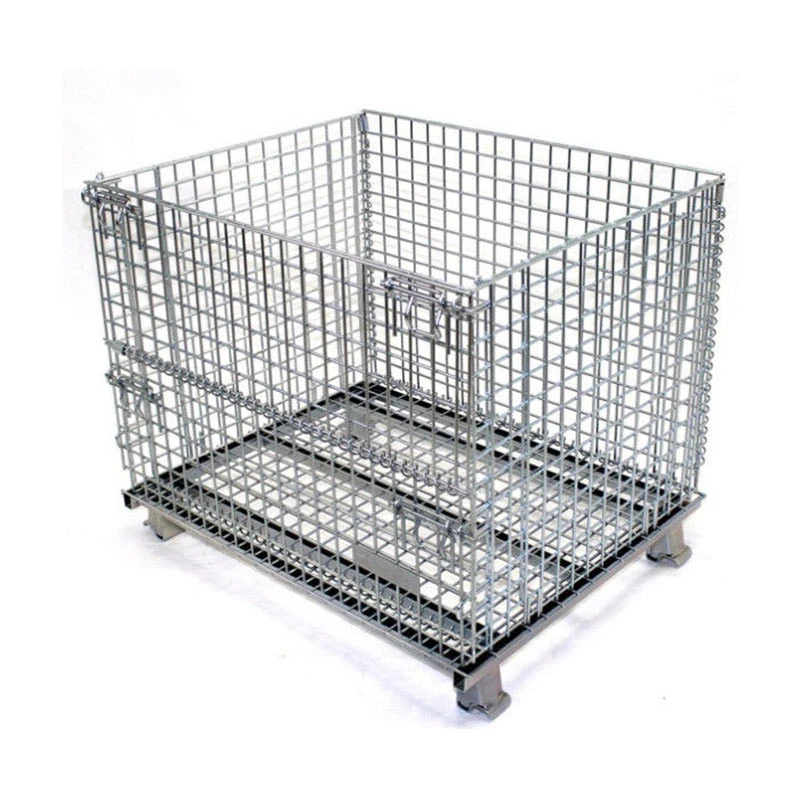
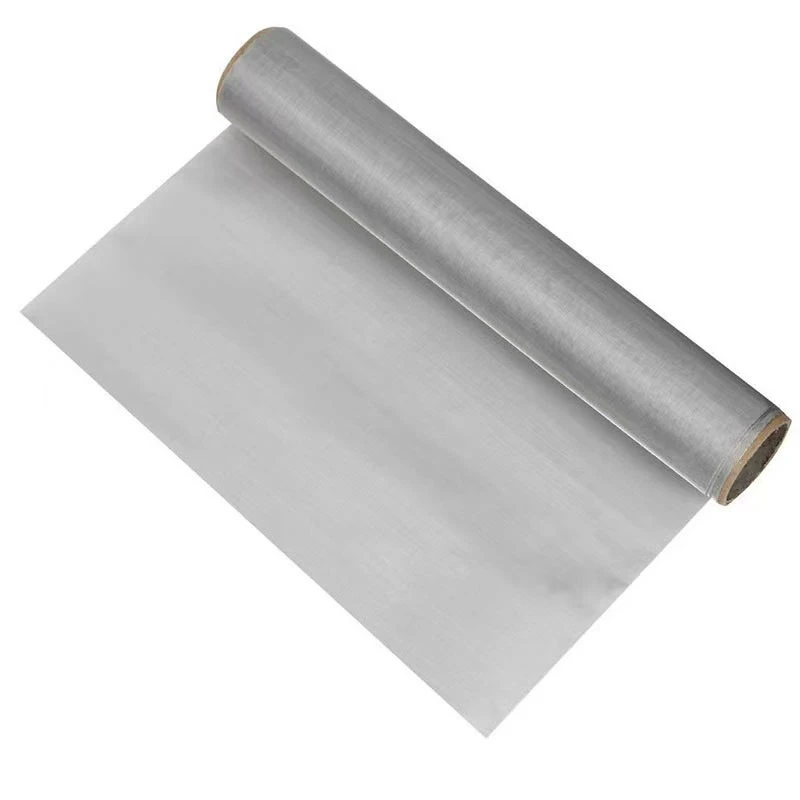
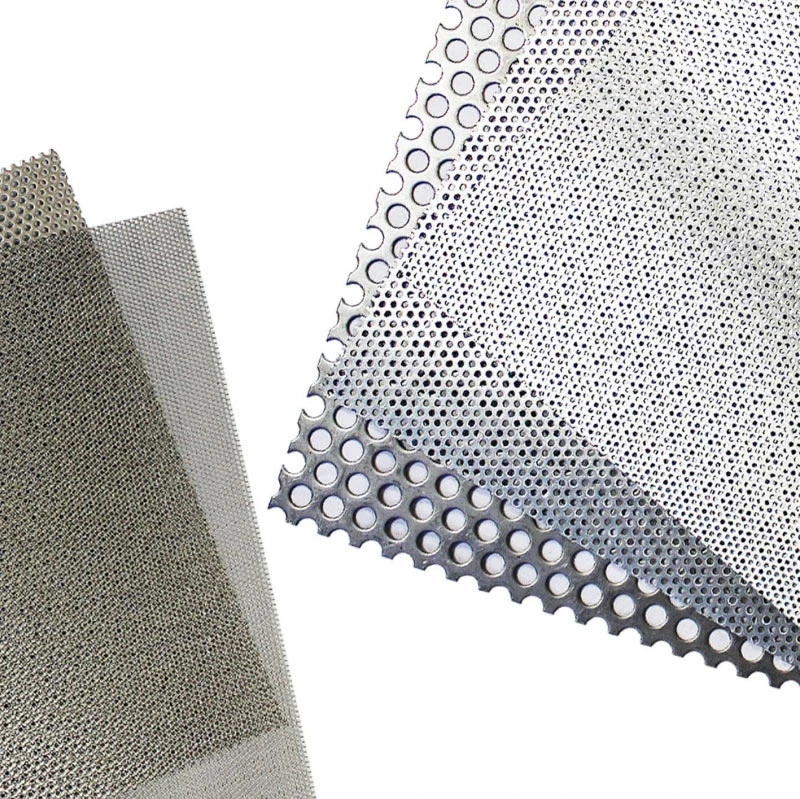
Sourcing industrial filtration and screening media often presents a complex challenge: balancing precise aperture requirements with environmental durability. When engineering specifications demand exactness, off-the-shelf solutions frequently fail to meet strict tolerance levels, leading to premature corrosion or filtration inaccuracies. The struggle to find a partner who understands both the metallurgy and the weaving geometry is a common bottleneck for procurement managers.
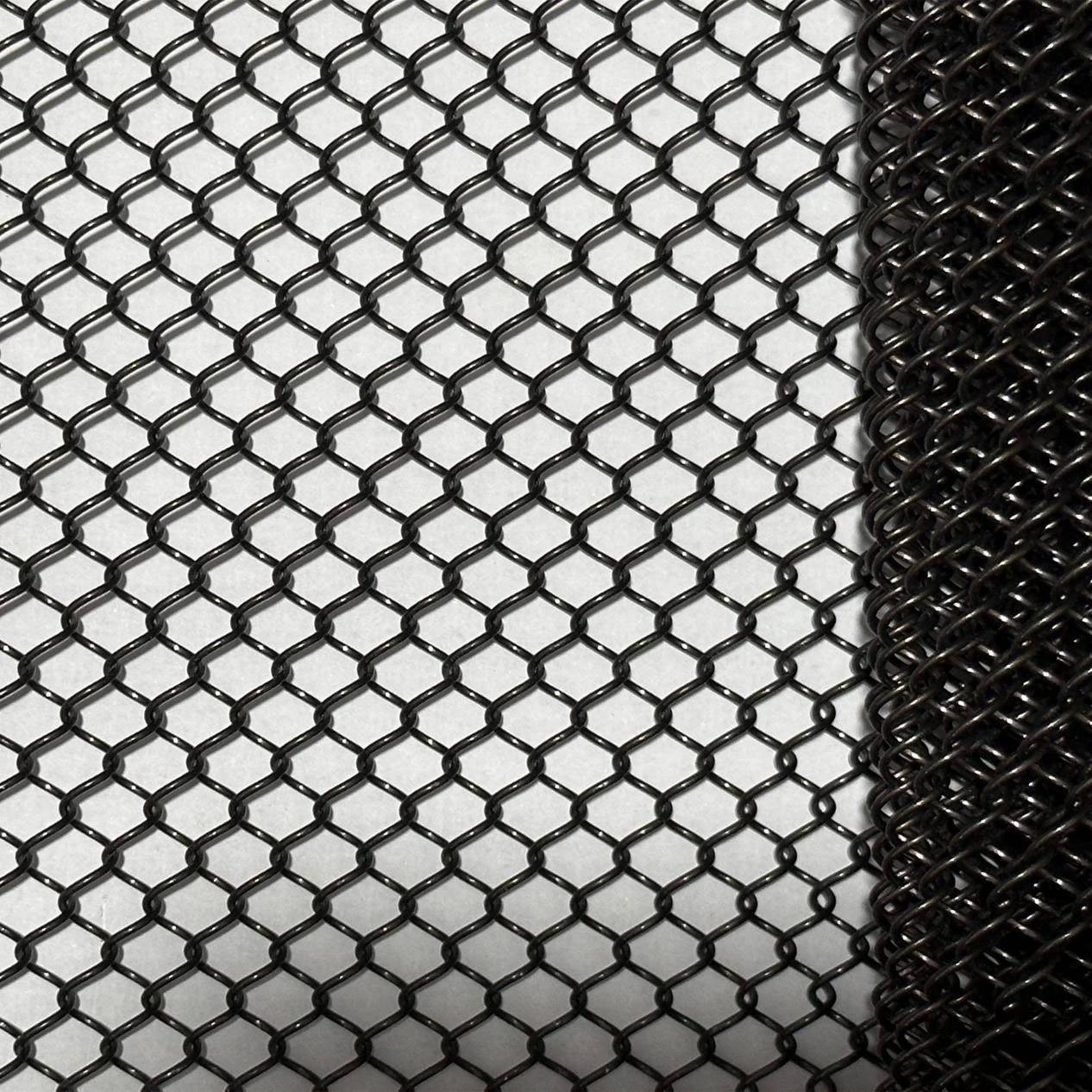
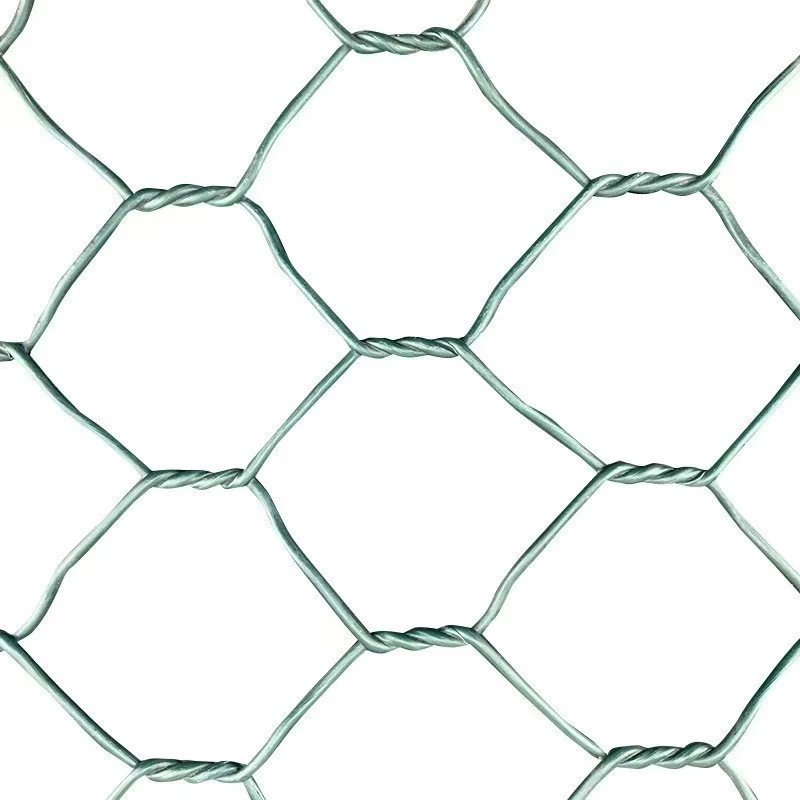
At Anping County Jinzehong Wire Mesh Products Co., Ltd., we bridge the gap between theoretical specifications and practical application. Established in 2000, we do not simply sell inventory; we engineer solutions. With a dedicated team of 157+ skilled employees and a deep focus on Research and Development, we assist clients in navigating the nuances of stainless steel wire mesh standard sizes and material selection to ensure every square meter of mesh serves its intended purpose perfectly.
Whether your project requires standard 304 grades for general purpose use or specialized 316L compositions for harsh marine or chemical environments (common in our export markets like Germany and Brazil), our 25 years of industry experience ensures that we deliver durability tailored to your specific operational context.
Precision in wire mesh manufacturing is defined by the rigorous adherence to material chemistry and weaving consistency. In an industry where a micron difference can alter flow rates or structural integrity, generic standards are insufficient. We leverage our 10,000 square meter production facility in Anping to enforce strict quality controls that exceed basic market expectations.
Below is a technical breakdown of how our manufacturing protocols optimize stainless steel wire mesh standard sizes and material performance compared to general industry baselines.
| Performance Metric | Industry Significance | Jinzehong Engineering Standard | Operational Advantage |
|---|---|---|---|
| Material Composition Analysis | Determines corrosion resistance (e.g., Ni/Cr content). | Spectrometer verification for every batch (304, 316, 316L). | Guaranteed longevity in acidic or saline environments (e.g., Brazil/Japan markets). |
| Mesh Count Tolerance | Affects filtration accuracy and particle retention. | Automated weaving calibration with <1% deviation. | Precise stainless steel wire mesh standard sizes and material consistency for critical filtering. |
| Wire Diameter Uniformity | Impacts tensile strength and open area percentage. | High-tensile drawing with real-time laser gauging. | Uniform structural load distribution across the fence or filter system. |
| Surface Treatment | Aesthetic appeal and secondary protection. | Advanced pickling and passivation processes. | Enhanced resistance to oxidation and modern textural aesthetics for architectural use. |
In the global market, the true cost of wire mesh is not the purchase price, but the Total Cost of Ownership (TCO). Investing in verified stainless steel wire mesh standard sizes and material significantly mitigates the risks of downtime associated with frequent replacements and maintenance. By utilizing advanced R&D and custom-shaped processing capabilities, we transform wire mesh from a commodity into a strategic asset.
Our global footprint—spanning strictly regulated markets from Germany to Singapore and New Zealand—demonstrates that high-grade materials yield substantial long-term savings. The chart below illustrates the comparative operational lifespan and value retention of utilizing Jinzehong’s precision-engineered mesh versus generic market alternatives.
Related products
Top Selling Products
Hit enter to search or ESC to close